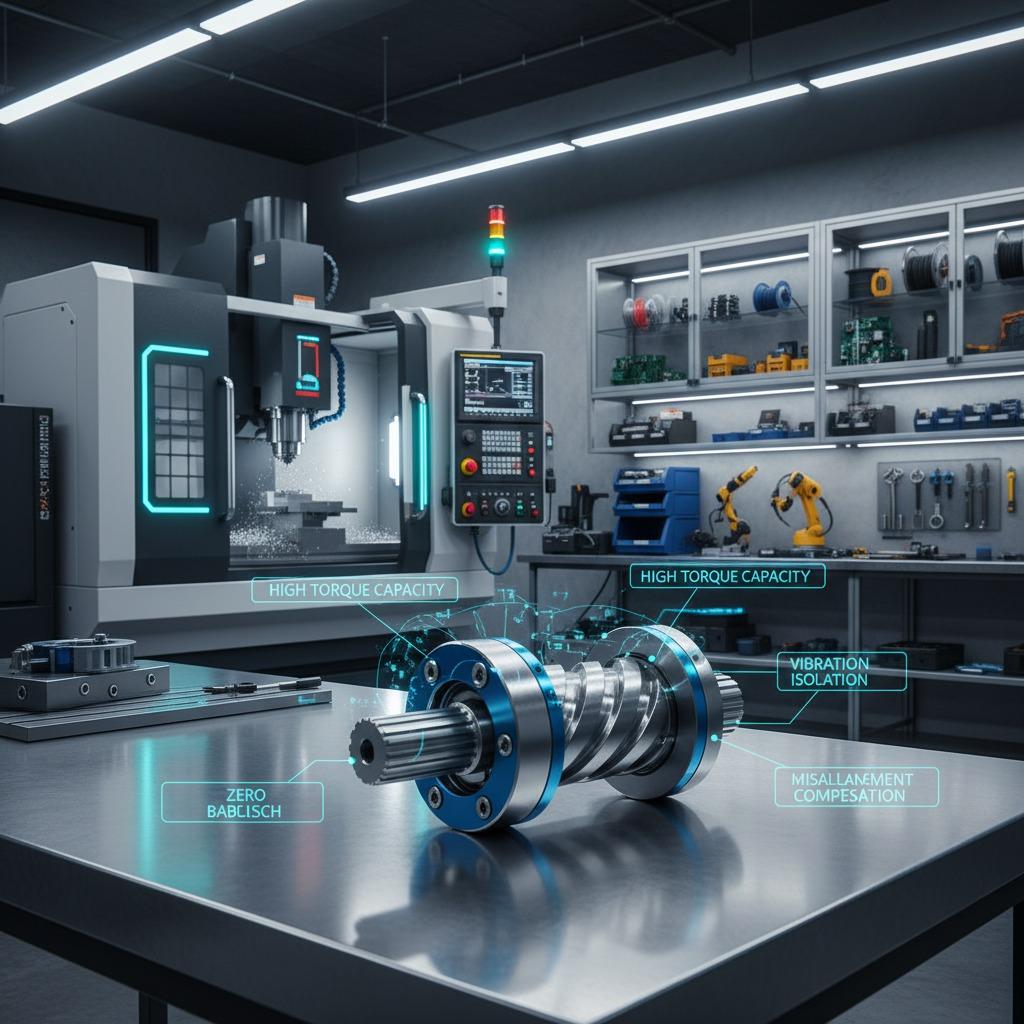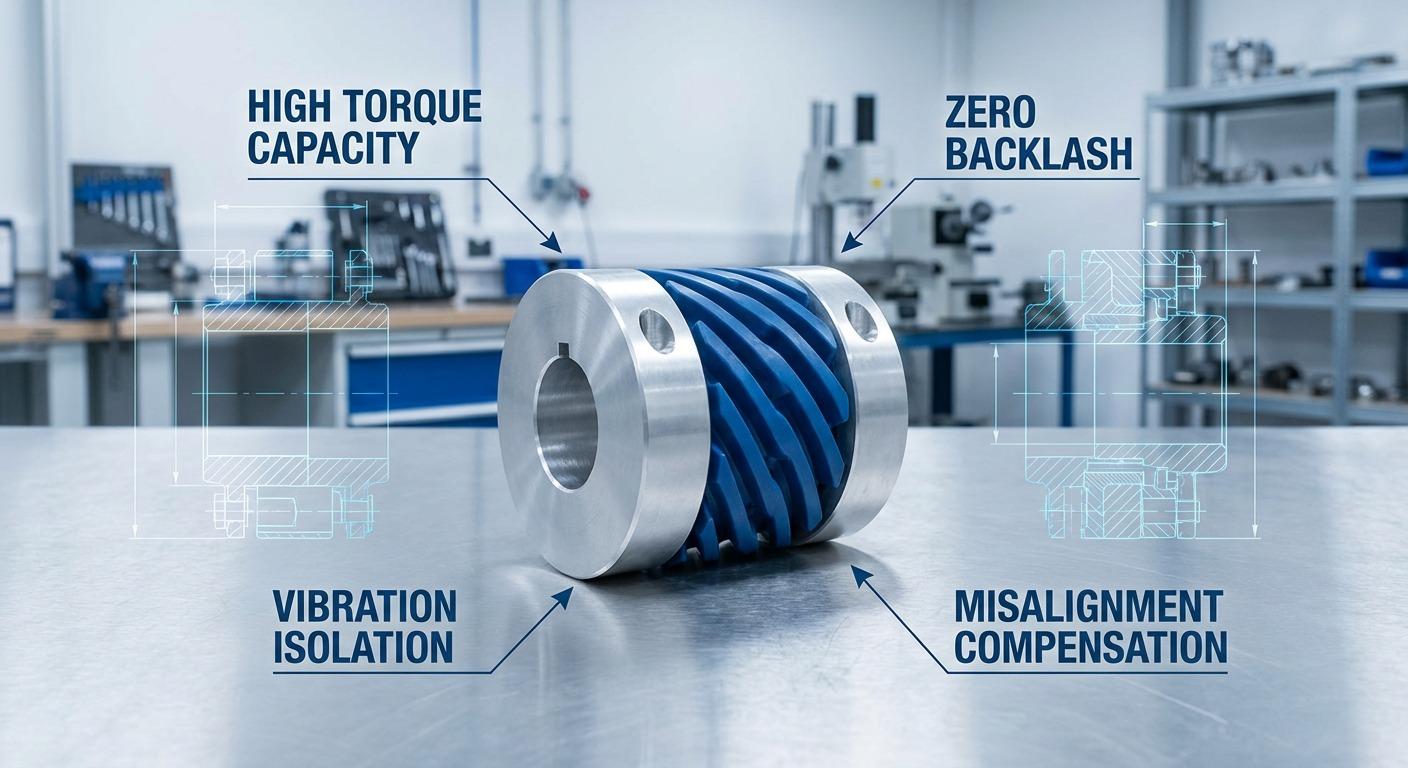

A Rigid Coupling is a fundamental component used to connect two shafts in a mechanical system, ensuring precise alignment and direct power transmission. Unlike flexible couplings, they do not accommodate any misalignment, making them ideal for applications where shaft alignment is exact and maintained. Their simple construction and inherent strength make them a cornerstone in many industrial setups, providing a solid and reliable connection for transferring torque from one shaft to another without any loss or lag.
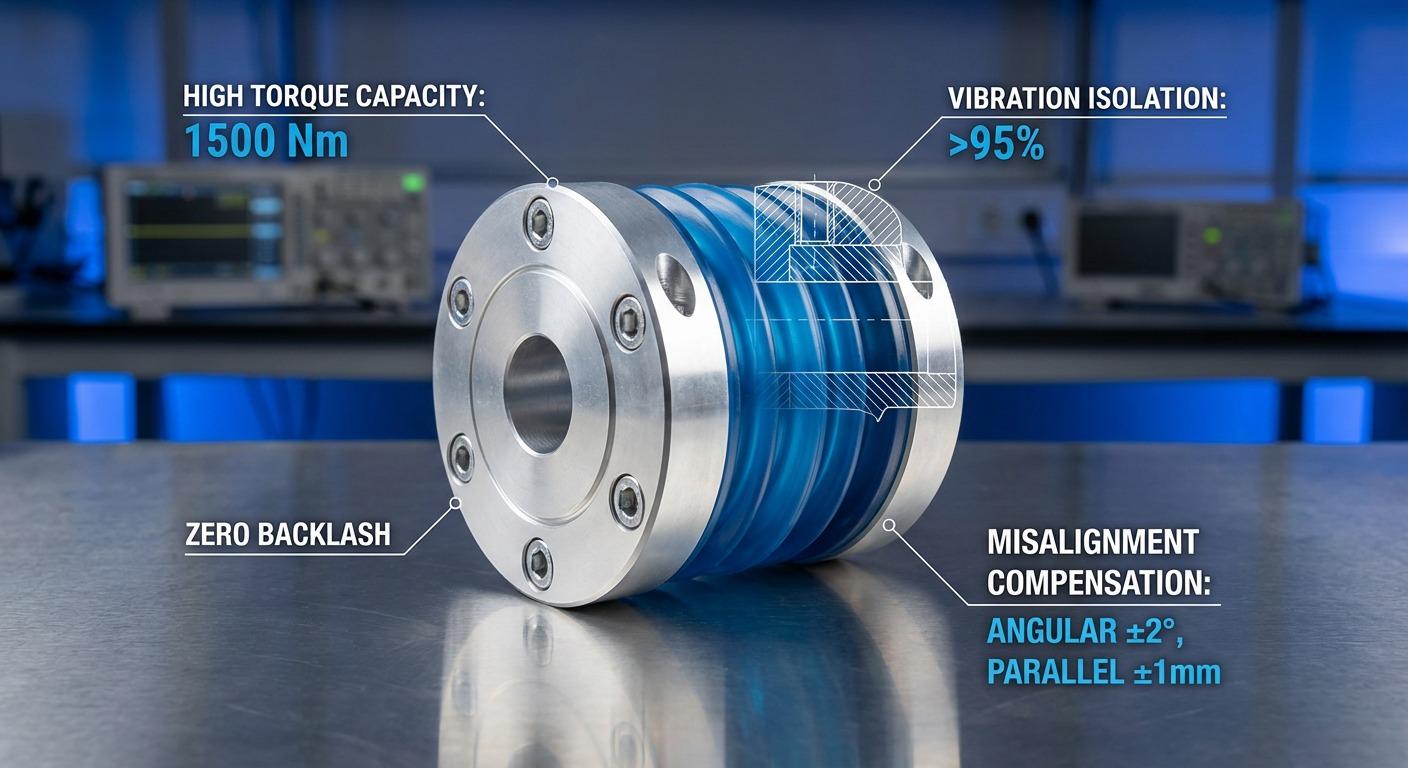
There are several distinct Rigid Coupling Types, each suited for specific operational demands. Two prominent examples that showcase excellent engineering are the clamping shell coupling and the flanged coupling. The clamping shell coupling, also known as a sleeve coupling, is a marvel of modern design, often appearing as a sleek, cylindrical component made from high-grade materials. It is engineered for easy installation, using robust screws to clamp securely onto the shafts. This design ensures an optimal fit that mitigates slippage and delivers seamless torque transmission with minimal backlash. Another robust option is the flanged coupling. This type is easily identifiable by its sturdy, bolted assembly. It consists of two flanged hubs that are bolted together, securely connecting the shafts and offering very high torque capacity. Its construction is ideal for heavy-duty applications, providing superior power transmission and operational stability by minimizing vibrations.
The effectiveness of these components hinges on their meticulous Rigid Coupling Design. Precision is paramount in their manufacturing. Features like finely machined surfaces and precision-drilled holes are crucial for ensuring a tight fit, smooth movement, and efficient power transfer. The choice of materials, such as high-grade steel with corrosion-resistant finishes, is a critical design consideration that enhances durability and reliability for a long service life. Furthermore, the design often incorporates features for ease of use. For instance, the clamping style's screws or the flanged style's heavy-duty bolts allow for straightforward installation, adjustment, and maintenance, which ultimately helps in reducing costly operational downtime.
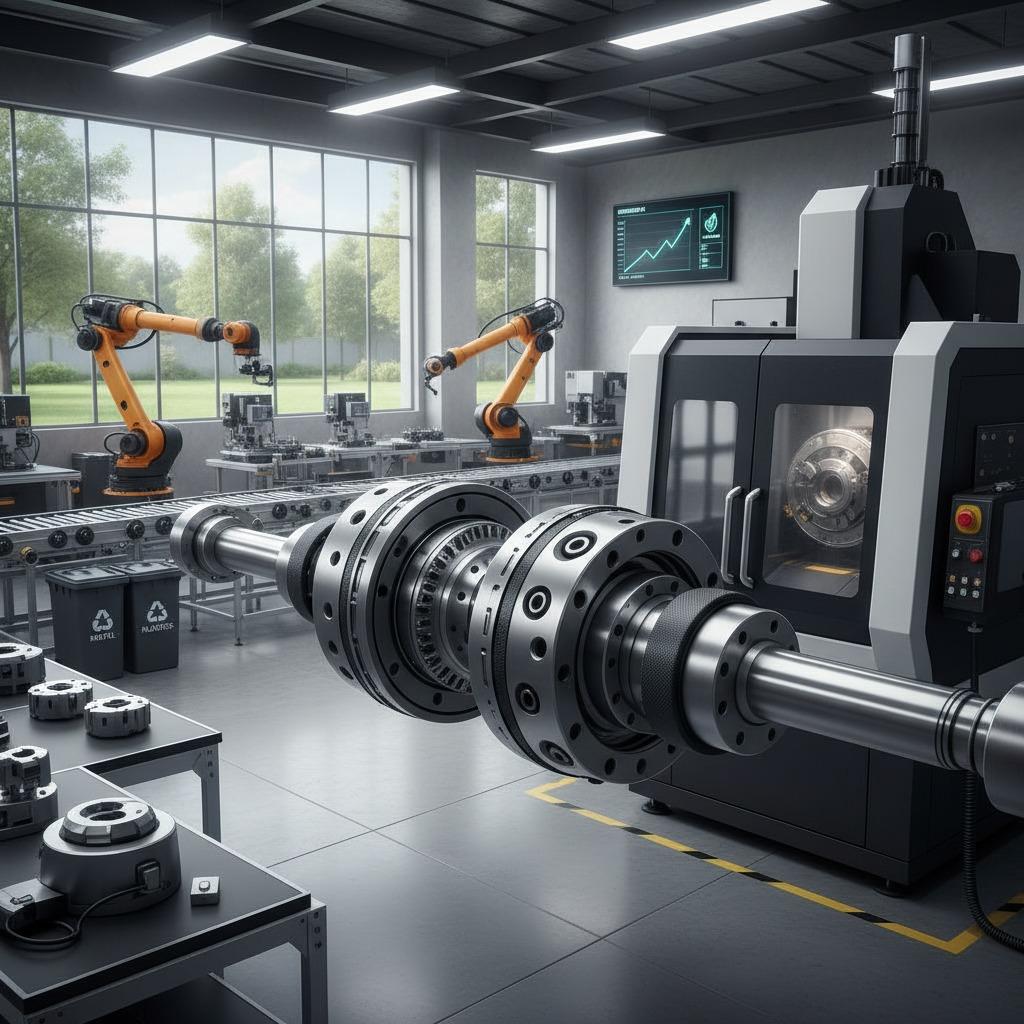
The unique characteristics of these components lead to a wide range of Rigid Coupling Applications, particularly in sectors where precision is non-negotiable. An Industrial Rigid Coupling is frequently found in automated systems like robotics and CNC machinery, where exact rotational alignment is necessary for operational accuracy and repeatability. The automotive industry also utilizes them in various powertrain and drivetrain test bench assemblies. Their ability to transmit high torque without slippage or backlash makes them indispensable for heavy-duty conveyor systems, industrial mixers, and large pumps, where consistent performance and unwavering reliability are essential for productivity. Any field requiring a secure, unwavering rotational connection will find these couplings to be a vital part of their mechanical systems.
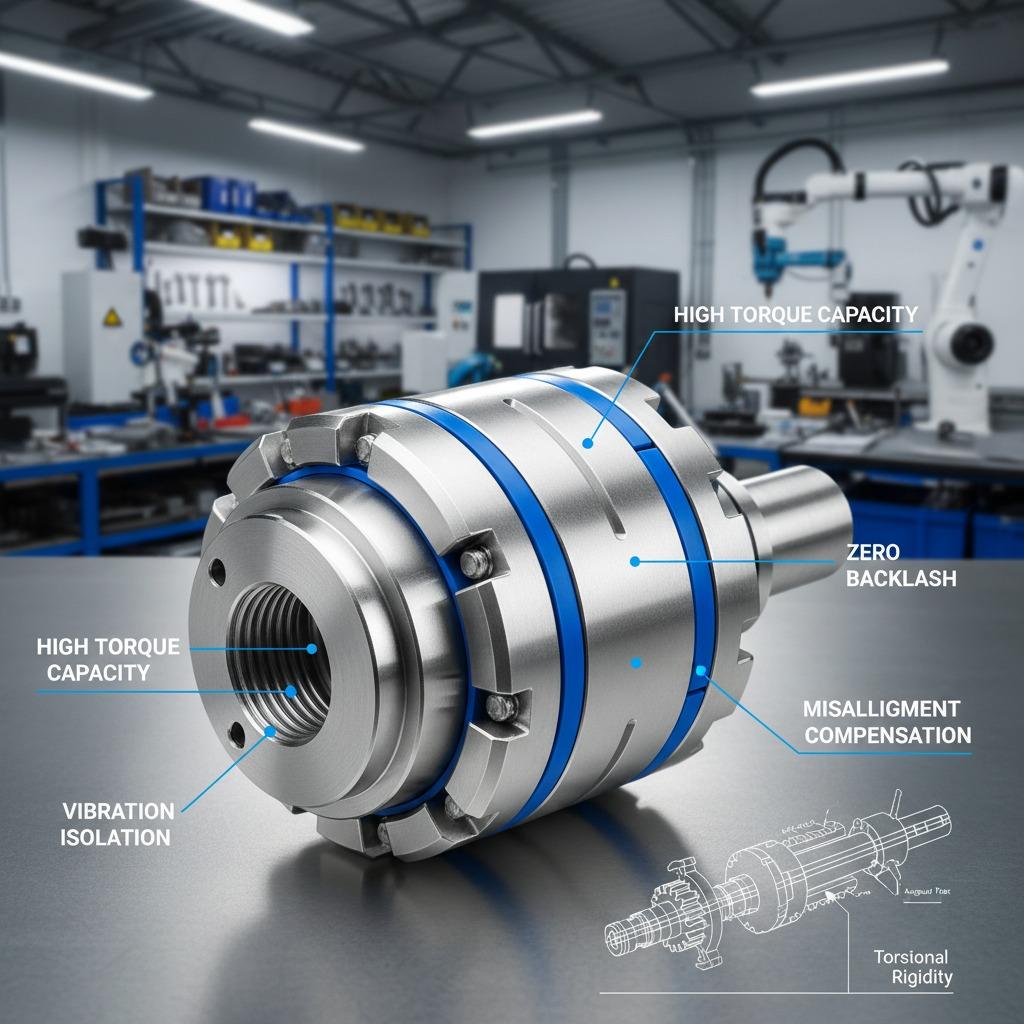
There are numerous Benefits of Rigid Coupling that make them a preferred choice for specific scenarios. Their primary advantage is the ability to transmit high levels of torque with zero backlash, as there are no flexible elements to absorb or dampen energy. This results in exceptional torsional stiffness, which is critical for applications requiring precise positioning control and timing. They are also conceptually simple, often consisting of just one or two solid pieces, which makes them highly cost-effective and easy to install and maintain. Their solid construction provides exceptional durability and a long operational life, ensuring a secure and reliable connection between shafts as long as perfect alignment can be achieved and maintained.
Exploring Rigid Coupling Types
There are several distinct Rigid Coupling Types, each suited for specific operational demands. Two prominent examples that showcase excellent engineering are the clamping shell coupling and the flanged coupling. The clamping shell coupling, also known as a sleeve coupling, is a marvel of modern design, often appearing as a sleek, cylindrical component made from high-grade materials. It is engineered for easy installation, using robust screws to clamp securely onto the shafts. This design ensures an optimal fit that mitigates slippage and delivers seamless torque transmission with minimal backlash. Another robust option is the flanged coupling. This type is easily identifiable by its sturdy, bolted assembly. It consists of two flanged hubs that are bolted together, securely connecting the shafts and offering very high torque capacity. Its construction is ideal for heavy-duty applications, providing superior power transmission and operational stability by minimizing vibrations.
The Importance of Rigid Coupling Design
The effectiveness of these components hinges on their meticulous Rigid Coupling Design. Precision is paramount in their manufacturing. Features like finely machined surfaces and precision-drilled holes are crucial for ensuring a tight fit, smooth movement, and efficient power transfer. The choice of materials, such as high-grade steel with corrosion-resistant finishes, is a critical design consideration that enhances durability and reliability for a long service life. Furthermore, the design often incorporates features for ease of use. For instance, the clamping style's screws or the flanged style's heavy-duty bolts allow for straightforward installation, adjustment, and maintenance, which ultimately helps in reducing costly operational downtime.
Key Rigid Coupling Applications in Industry
The unique characteristics of these components lead to a wide range of Rigid Coupling Applications, particularly in sectors where precision is non-negotiable. An Industrial Rigid Coupling is frequently found in automated systems like robotics and CNC machinery, where exact rotational alignment is necessary for operational accuracy and repeatability. The automotive industry also utilizes them in various powertrain and drivetrain test bench assemblies. Their ability to transmit high torque without slippage or backlash makes them indispensable for heavy-duty conveyor systems, industrial mixers, and large pumps, where consistent performance and unwavering reliability are essential for productivity. Any field requiring a secure, unwavering rotational connection will find these couplings to be a vital part of their mechanical systems.
Understanding the Benefits of Rigid Coupling
There are numerous Benefits of Rigid Coupling that make them a preferred choice for specific scenarios. Their primary advantage is the ability to transmit high levels of torque with zero backlash, as there are no flexible elements to absorb or dampen energy. This results in exceptional torsional stiffness, which is critical for applications requiring precise positioning control and timing. They are also conceptually simple, often consisting of just one or two solid pieces, which makes them highly cost-effective and easy to install and maintain. Their solid construction provides exceptional durability and a long operational life, ensuring a secure and reliable connection between shafts as long as perfect alignment can be achieved and maintained.