
Understanding the Industrial Power Transmission Joint: A Key to Efficient Machinery
In the realm of modern manufacturing and heavy industry, the industrial power transmission joint stands as a pivotal component, enabling seamless and reliable power transfer between rotating shafts. This essential device, often overlooked yet indispensable, ensures that machinery operates smoothly under high-stress conditions. Whether in automotive production lines, heavy machinery, or renewable energy systems, the industrial power transmission joint is designed to handle torque, absorb vibrations, and compensate for misalignments, ultimately boosting operational efficiency and reducing downtime.
Key Features of Advanced Industrial Power Transmission Joints
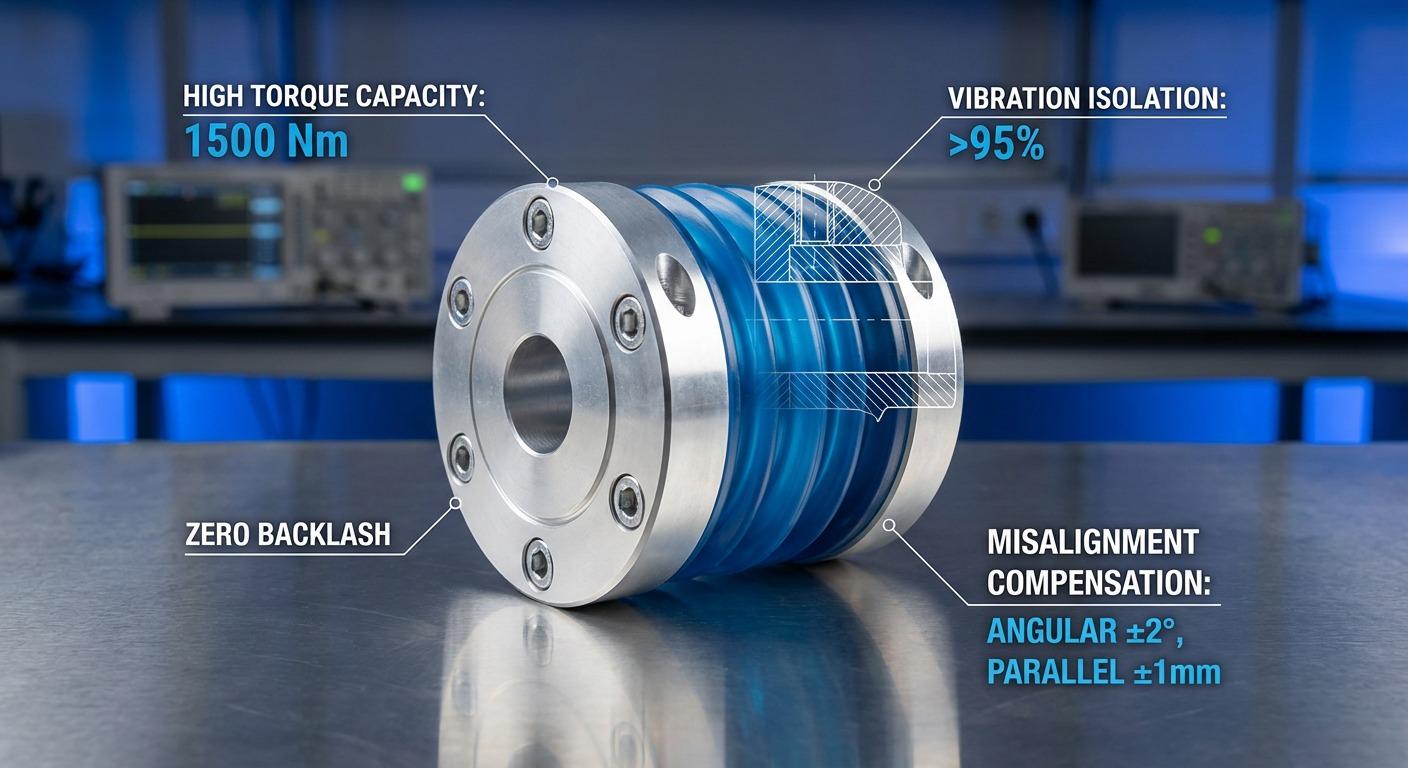
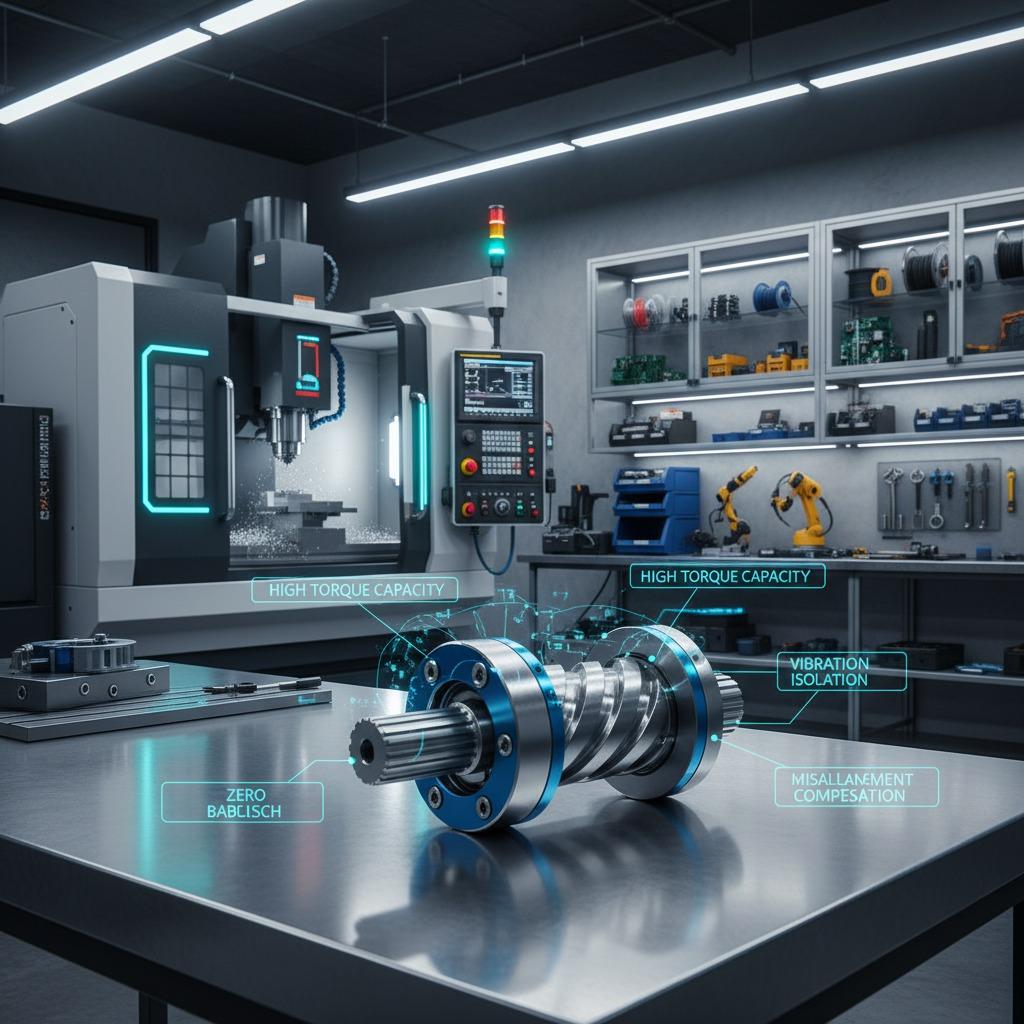
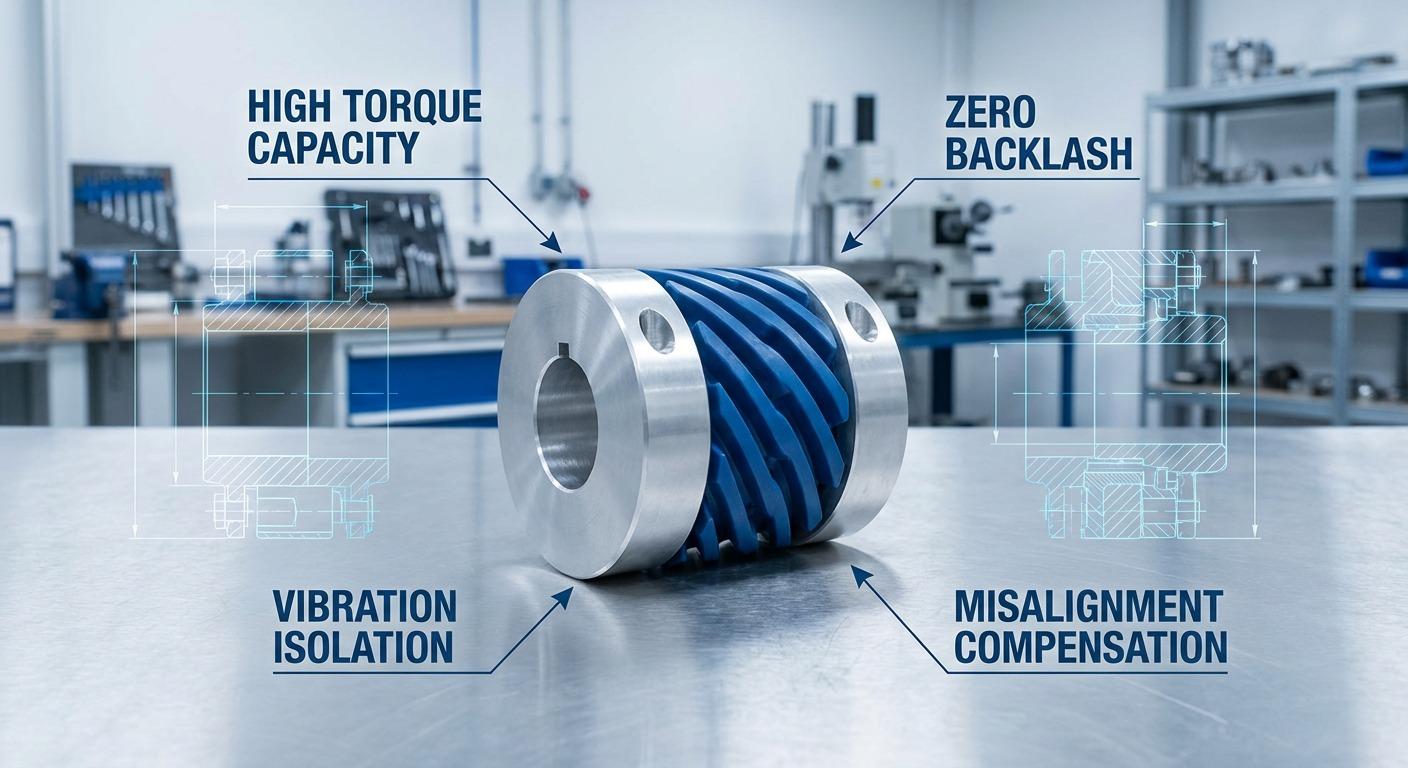
One of the standout attributes of a high-quality industrial power transmission joint is its impressive torque capacity. For instance, advanced models can manage up to 1500 Nm of torque, making them suitable for demanding applications where precision and strength are non-negotiable. This capability allows the joint to transmit power effectively without compromising on performance, even in environments with continuous heavy loads. Beyond torque, these joints excel in vibration isolation, achieving over 95% reduction in vibrations. This feature is crucial as it minimizes wear and tear on connected equipment, extending the lifespan of the entire system and lowering maintenance costs.
Precision engineering is another hallmark of the modern industrial power transmission joint. Zero backlash design ensures that there is no play or lost motion during power transfer, which is vital for applications requiring exact positioning, such as robotics or CNC machines. This eliminates inaccuracies that could lead to product defects or operational inefficiencies. Furthermore, the joint's ability to compensate for misalignments sets it apart; it can handle angular deviations of up to ±2° and parallel offsets of ±1mm. Such flexibility accommodates inevitable shaft misalignments caused by thermal expansion, installation variances, or operational stresses, preventing premature failure and ensuring consistent performance.
Applications and Benefits in Industrial Settings
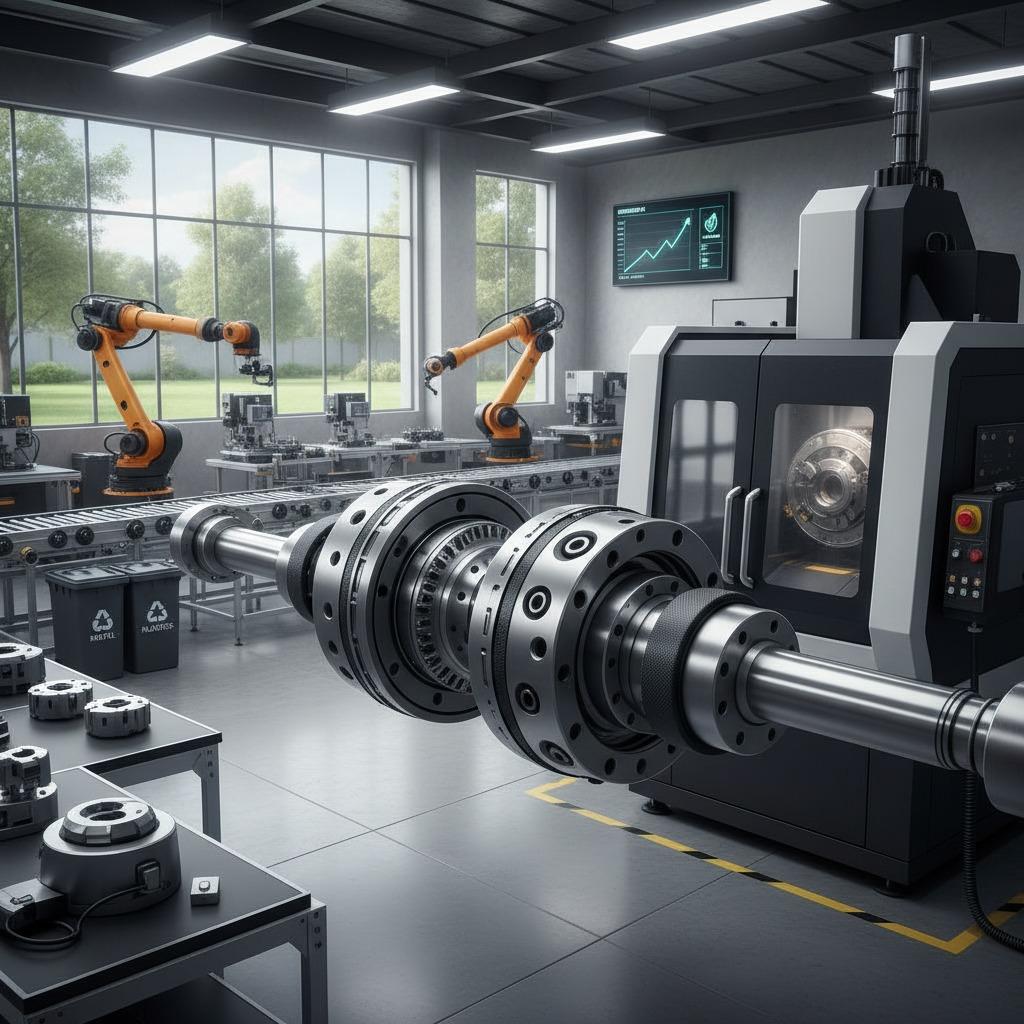
The versatility of the industrial power transmission joint makes it a go-to solution across diverse sectors. In the automotive industry, it facilitates smooth power delivery in assembly lines and testing equipment, where reliability is paramount. For heavy machinery like excavators and cranes, the joint's robust construction withstands extreme conditions, including dust, moisture, and high temperatures. In renewable energy applications, such as wind turbines, it plays a critical role in transmitting rotational energy from the blades to the generator, optimizing energy output while enduring variable wind loads.
The benefits extend beyond immediate functionality. By incorporating an industrial power transmission joint with superior vibration isolation, industries can achieve significant noise reduction, creating safer and more comfortable work environments. This also translates to energy savings, as less power is wasted through frictional losses or vibrations. Moreover, the sleek, modern design of these joints not only enhances aesthetic appeal in visible machinery setups but also simplifies integration into existing systems. Maintenance is streamlined too; many models feature modular components that allow for easy replacement without overhauling the entire assembly, saving time and resources.
Choosing the Right Industrial Power Transmission Joint for Your Needs
Selecting the appropriate industrial power transmission joint requires careful consideration of specific operational demands. Start by evaluating the required torque capacity—ensure it exceeds your application's peak loads to provide a safety margin. Assess the environmental factors, such as exposure to corrosive elements or extreme temperatures, and opt for materials like stainless steel or specialized alloys for durability. Misalignment tolerance is another key factor; for systems with flexible mounting, choose joints that offer greater compensation ranges to avoid stress concentrations.
It's also wise to consider compatibility with existing shafts and couplings. Advanced industrial power transmission joints often come with customizable hubs and mounting options, allowing seamless retrofitting. Consulting with experts or reviewing technical specifications can help match the joint to your machinery's speed and power requirements. Investing in a high-performance model not only enhances immediate efficiency but also supports long-term scalability, as industries evolve toward automation and higher throughput.
The Future of Industrial Power Transmission Joints
As technology advances, the industrial power transmission joint continues to evolve, incorporating smart features like integrated sensors for real-time monitoring of torque, vibration, and alignment. These innovations enable predictive maintenance, where potential issues are flagged before they cause failures, further reducing costs and improving reliability. In an era of Industry 4.0, such intelligent joints integrate with IoT systems, providing data-driven insights that optimize overall plant performance.
Sustainability is another driving force; newer designs focus on lightweight materials that reduce energy consumption without sacrificing strength. This aligns with global efforts to make industrial operations more eco-friendly. For engineers and procurement teams, staying abreast of these developments ensures that their selections contribute to both current efficiency and future-proofing against technological shifts.
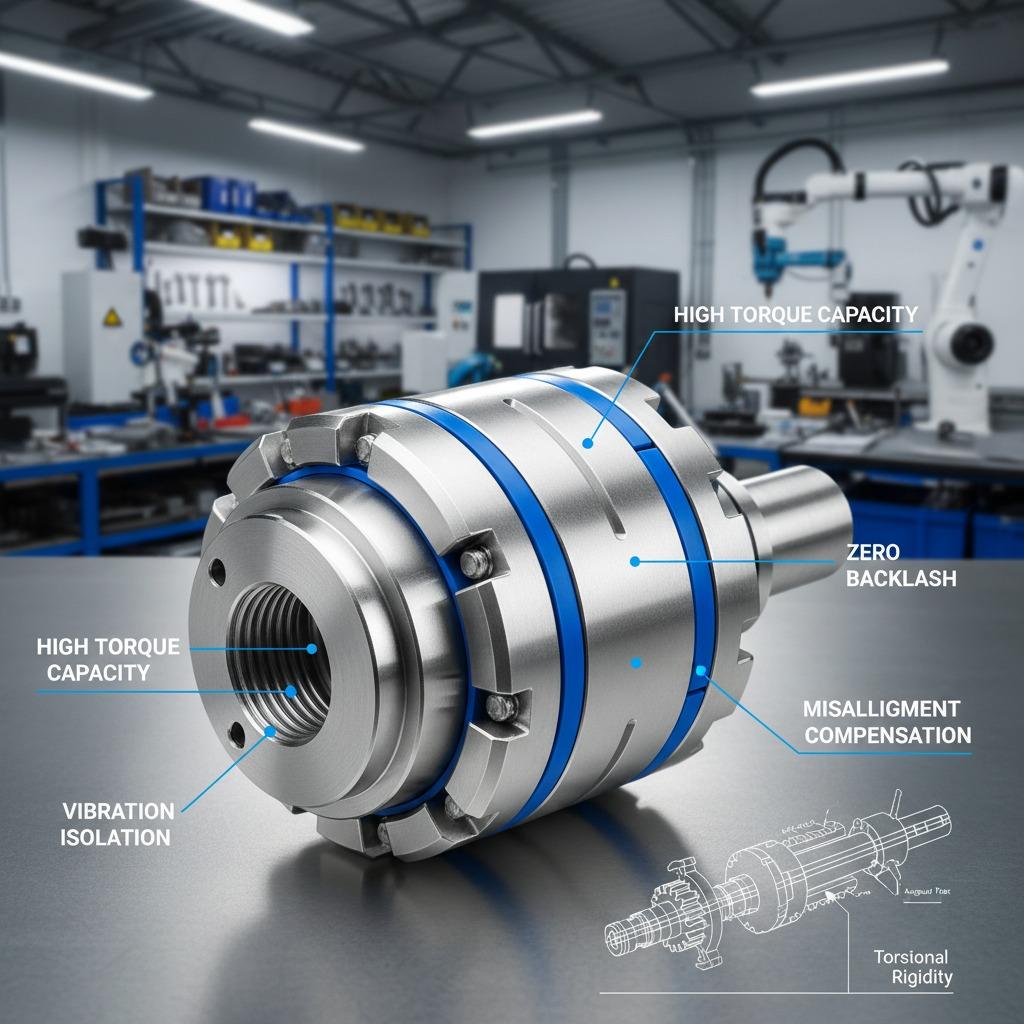
In summary, the industrial power transmission joint remains a cornerstone of reliable power transfer in industrial applications. Its ability to deliver high torque, isolate vibrations, eliminate backlash, and compensate for misalignments makes it indispensable for modern machinery. By choosing a well-engineered solution, businesses can enhance productivity, cut maintenance expenses, and achieve superior performance across a wide range of sectors. Embracing these advanced components is not just about keeping up—it's about staying ahead in a competitive industrial landscape.