
Understanding the Industrial Power Transmission Joint: A Key to Efficient Machinery
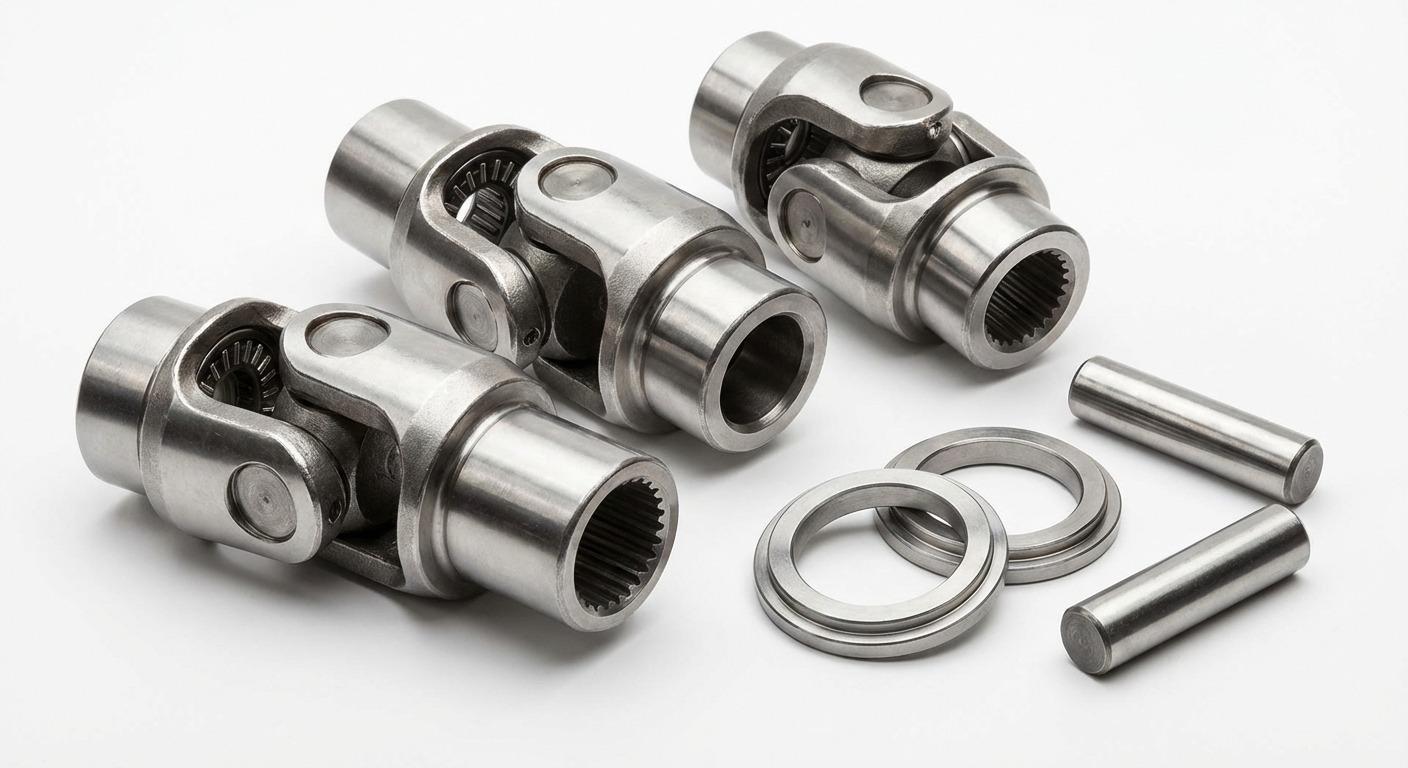
In the world of industrial machinery, the industrial power transmission joint stands as a pivotal component that ensures seamless and reliable power transfer between rotating shafts. This essential element, often referred to as a coupling, connects two misaligned shafts while transmitting torque effectively, preventing breakdowns and enhancing overall system performance. Whether in manufacturing plants, heavy equipment operations, or automated production lines, an industrial power transmission joint is crucial for maintaining the integrity and efficiency of mechanical systems. As industries evolve with increasing demands for precision and durability, selecting the right industrial power transmission joint becomes more important than ever.
The Fundamentals of Industrial Power Transmission Joints
At its core, an industrial power transmission joint functions to link drive elements, allowing them to work in unison despite minor imperfections in alignment or movement. These joints are engineered to handle high loads and speeds, making them indispensable in sectors like automotive, aerospace, and energy production. Traditional rigid joints might suffice for perfectly aligned systems, but in real-world applications, flexibility is key. That's where flexible industrial power transmission joints shine, accommodating angular, parallel, and axial misalignments without compromising power delivery. This adaptability not only extends the lifespan of connected components but also minimizes downtime, a critical factor for cost-effective operations. Engineers often prioritize joints that balance robustness with the ability to absorb shocks, ensuring that the machinery operates smoothly even under varying conditions.
Understanding the mechanics behind an industrial power transmission joint involves recognizing its role in torque transmission. Torque, the rotational force that drives machinery, must be transferred efficiently to avoid energy losses. High-quality joints achieve this by using materials like high-grade alloys or composites that resist wear and fatigue. Moreover, the design of these joints often incorporates features like damping elements to reduce vibrations, which can otherwise lead to premature failure of bearings and shafts. In essence, a well-designed industrial power transmission joint acts as the silent hero in complex assemblies, enabling precise control and high productivity.
Advanced Features of Modern Industrial Power Transmission Joints
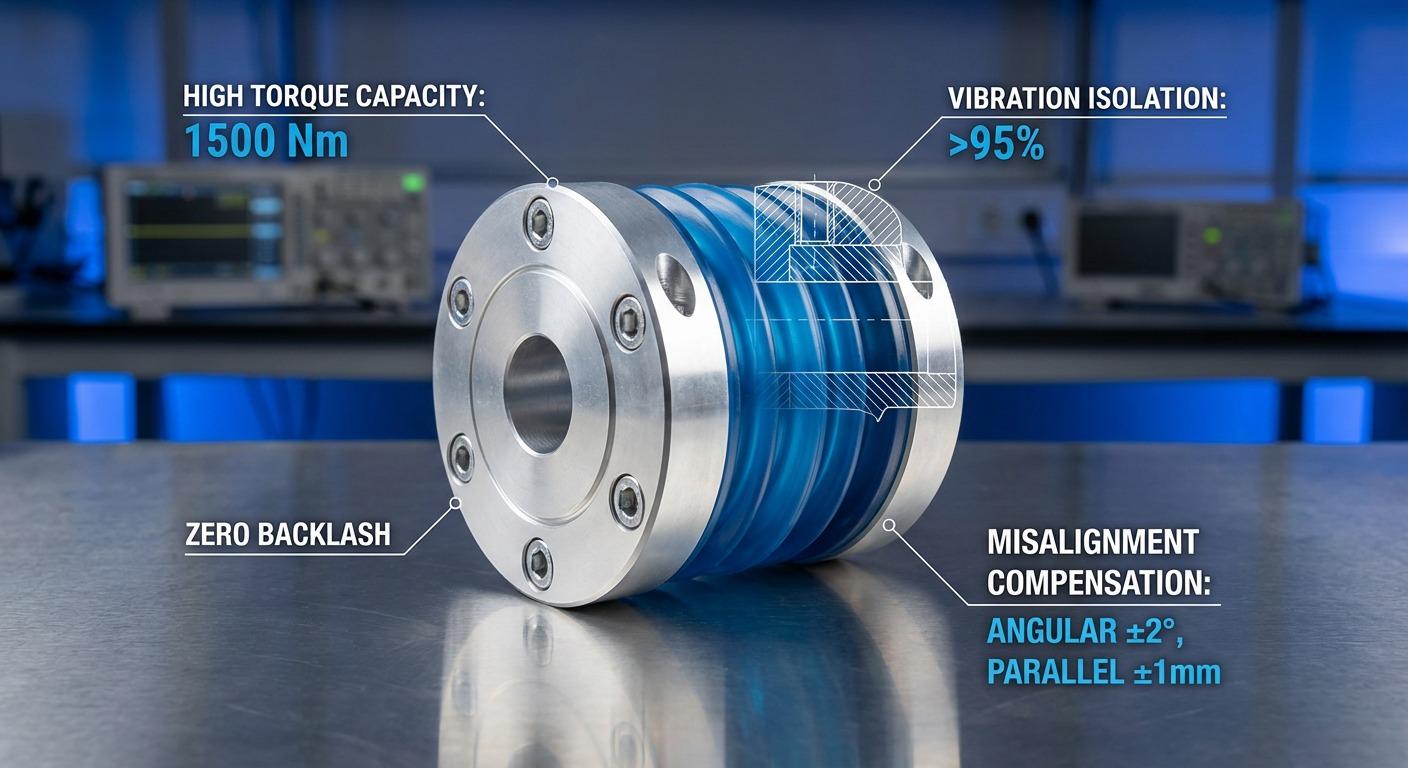
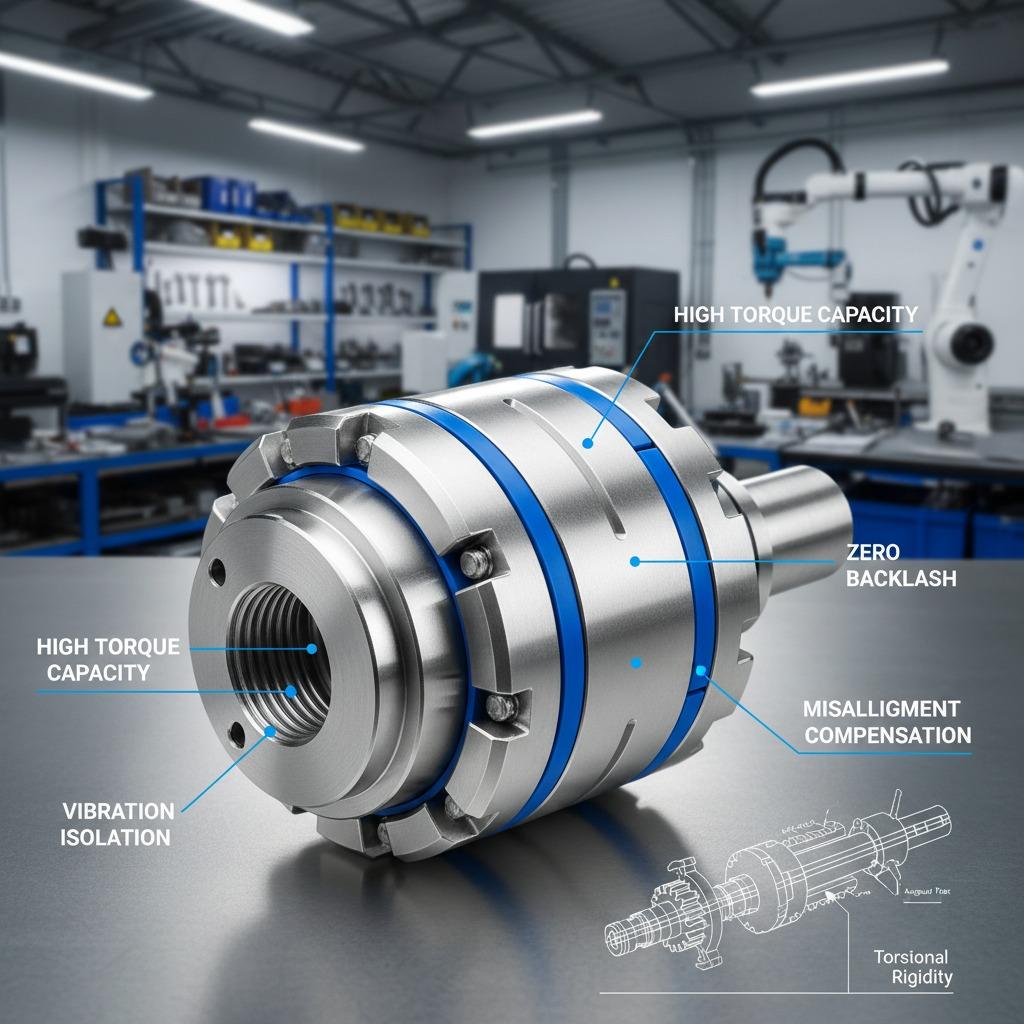
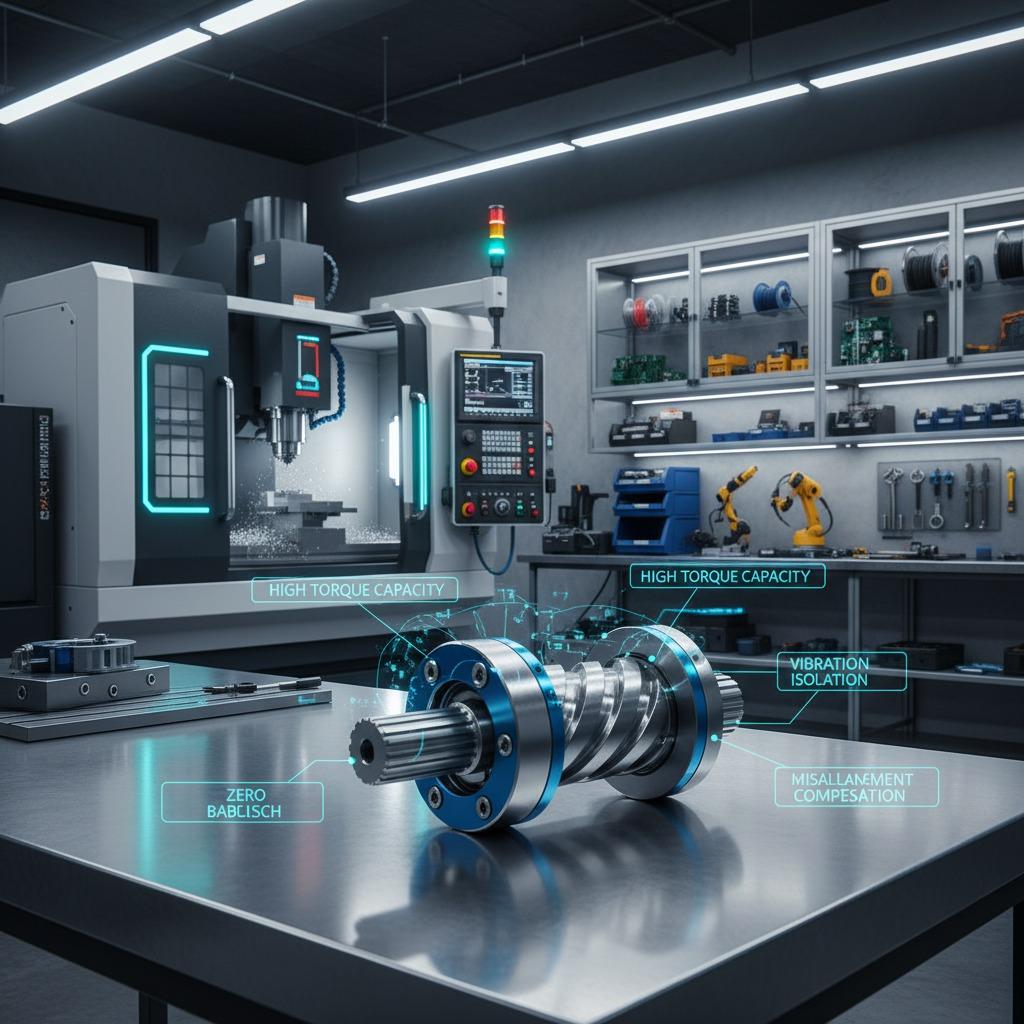
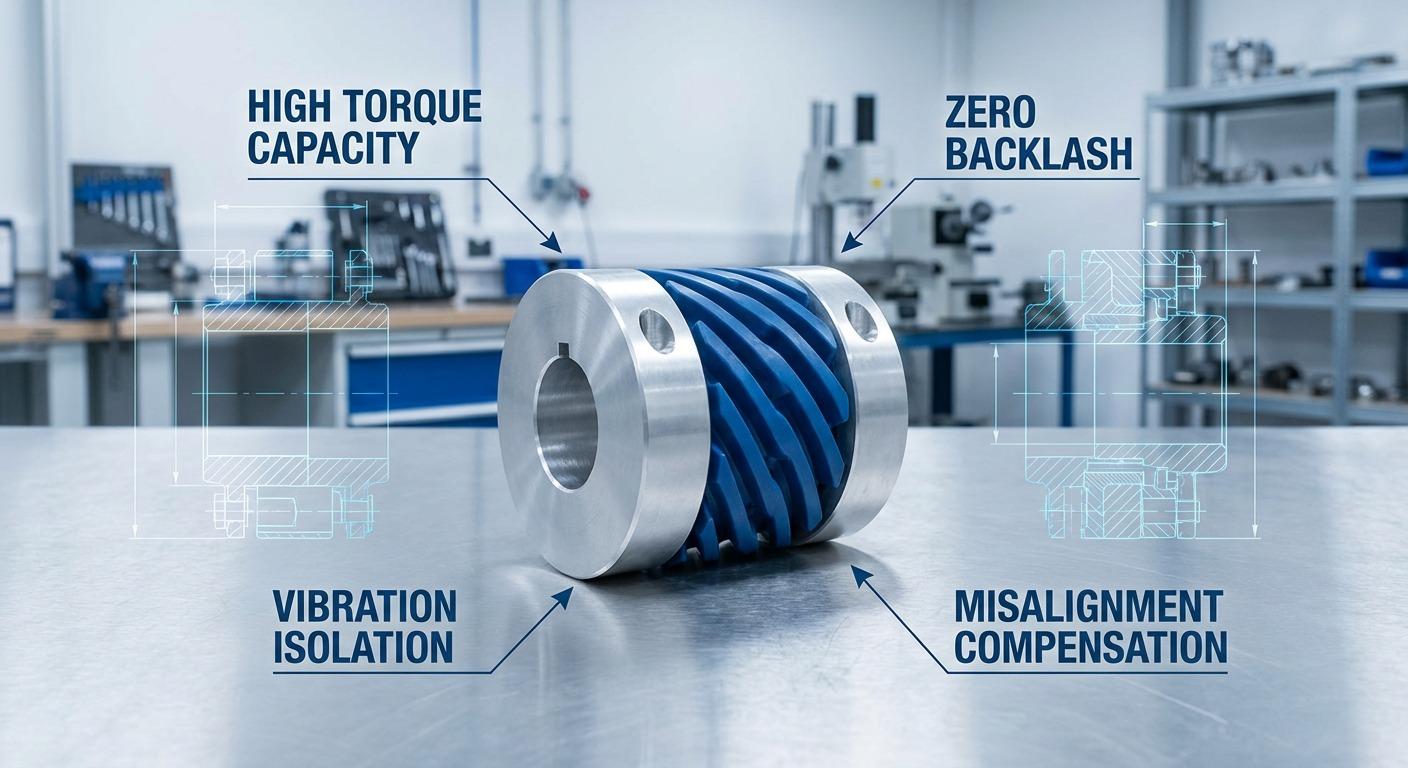
Today's industrial power transmission joints are far from basic connectors; they incorporate cutting-edge technology to meet the rigorous demands of modern industry. One standout innovation is the state-of-the-art flexible coupling designed for high-performance applications, boasting a remarkable high torque capacity of up to 1500 Nm. This ensures robust and reliable power transmission, even in the most demanding environments where heavy loads and continuous operation are the norm. Such capacity allows machinery to perform optimally without the risk of slippage or failure, making it a preferred choice for heavy-duty equipment.
Zero backlash is another critical feature that sets premium industrial power transmission joints apart. Backlash, the play or clearance in mechanical systems, can lead to inaccuracies in motion control, which is unacceptable in precision-driven fields like robotics or CNC machining. By eliminating backlash, these joints provide accurate and precise motion control, essential for sensitive and high-demand systems. This precision translates to higher quality outputs and reduced waste, directly impacting the bottom line for manufacturers.
Vibration isolation is yet another area where advanced industrial power transmission joints excel. Engineered for exceptional performance, these components offer over 95% vibration isolation, significantly enhancing operational smoothness and the longevity of connected equipment. Vibrations, if left unchecked, can cause fatigue in materials, leading to cracks and breakdowns. By effectively reducing vibrations, these joints maintain the integrity of machinery, ensuring a quiet and efficient operation that complies with noise regulations and improves worker safety. This feature is particularly beneficial in environments where multiple machines operate in close proximity, preventing resonance that could amplify issues across the system.
Misalignment Compensation and Durability in Industrial Power Transmission Joints
One of the most appreciated aspects of a superior industrial power transmission joint is its ability to compensate for misalignments. In practice, perfect shaft alignment is rare due to thermal expansions, foundation settlements, or installation variances. Advanced designs provide excellent misalignment compensation, handling up to ±2° angular and ±1mm parallel offsets. This flexibility reduces stresses on connected shafts, preventing undue wear and extending service life. For industries dealing with dynamic loads, such as pumps or conveyors, this capability is invaluable, as it allows the system to adapt without requiring frequent realignments.
Durability is woven into every aspect of these high-performance industrial power transmission joints. Crafted with precision using top-tier materials and manufacturing techniques, they are built to withstand harsh conditions, including corrosive environments, extreme temperatures, and high-speed rotations. Maintenance is streamlined, with many designs featuring easy installation and minimal lubrication needs, further reducing operational costs. When integrated into a system, an industrial power transmission joint not only performs its primary function but also contributes to the overall reliability of the setup, minimizing unexpected halts that could disrupt production schedules.
Applications and Benefits Across Industries
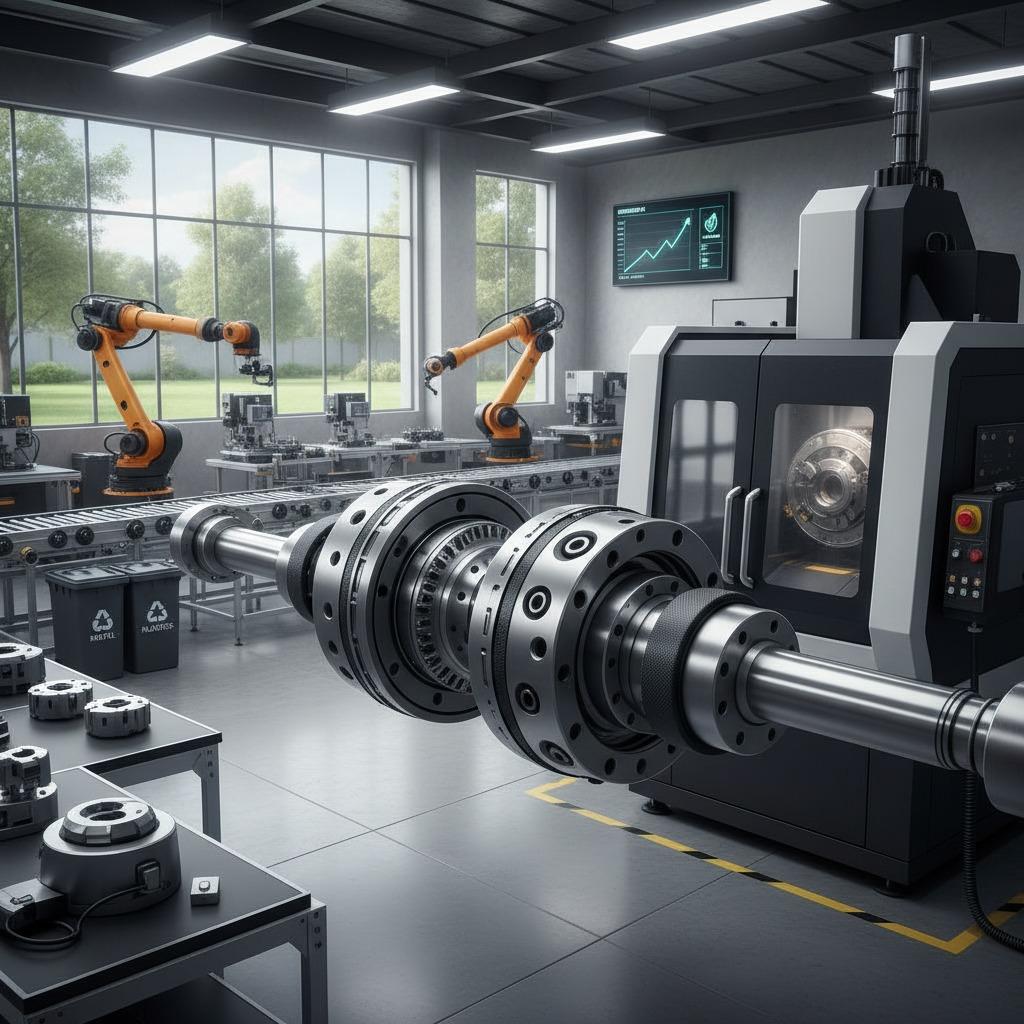
The versatility of industrial power transmission joints makes them applicable across a broad spectrum of industries. In the automotive sector, they ensure smooth power delivery in engine assemblies and transmission systems. Aerospace applications benefit from their lightweight yet strong designs, critical for fuel efficiency and safety. In renewable energy, such as wind turbines, these joints handle variable loads from fluctuating wind speeds, maintaining consistent power output. Even in food processing, where hygiene is paramount, stainless steel variants of industrial power transmission joints prevent contamination while providing reliable performance.
The benefits extend beyond immediate functionality. By choosing an advanced industrial power transmission joint, companies can achieve energy savings through efficient torque transfer, reducing electricity consumption. Enhanced precision leads to better product quality, fostering customer satisfaction and brand loyalty. Additionally, the reduced need for replacements and repairs lowers total ownership costs, making these joints a smart investment. As industries push towards sustainability, the longevity and efficiency of these components align perfectly with eco-friendly goals, helping businesses reduce their carbon footprint.
Selecting the Right Industrial Power Transmission Joint for Your Needs
Choosing the appropriate industrial power transmission joint requires careful consideration of specific application requirements. Factors like torque demands, speed, environmental conditions, and misalignment tolerances must be evaluated. Consulting with experts or reviewing detailed specifications, such as those for high-torque, zero-backlash models, ensures the best fit. It's advisable to opt for products that undergo rigorous testing for compliance with international standards like ISO or API, guaranteeing reliability.
In conclusion, the industrial power transmission joint is more than a mere connector—it's a cornerstone of industrial efficiency and innovation. With features like high torque capacity, vibration isolation, and misalignment compensation, modern designs elevate machinery performance to new heights. By integrating these advanced components, industries can achieve greater productivity, lower maintenance, and sustained operational excellence. Embracing the right industrial power transmission joint today paves the way for a more robust and future-proof mechanical ecosystem.