
Unlocking Precision and Power: The Essential Guide to High Torque Universal Joint Coupling
In the world of mechanical engineering and industrial applications, the high torque universal joint coupling stands out as a pivotal component for transmitting power efficiently across misaligned shafts. This innovative coupling design allows for smooth rotation and torque transfer even when shafts are not perfectly aligned, making it indispensable in machinery requiring robust performance under demanding conditions. As industries evolve towards more complex automation systems, understanding the nuances of a high torque universal joint coupling becomes crucial for engineers and designers aiming to optimize their setups.
Understanding the Fundamentals of High Torque Universal Joint Coupling
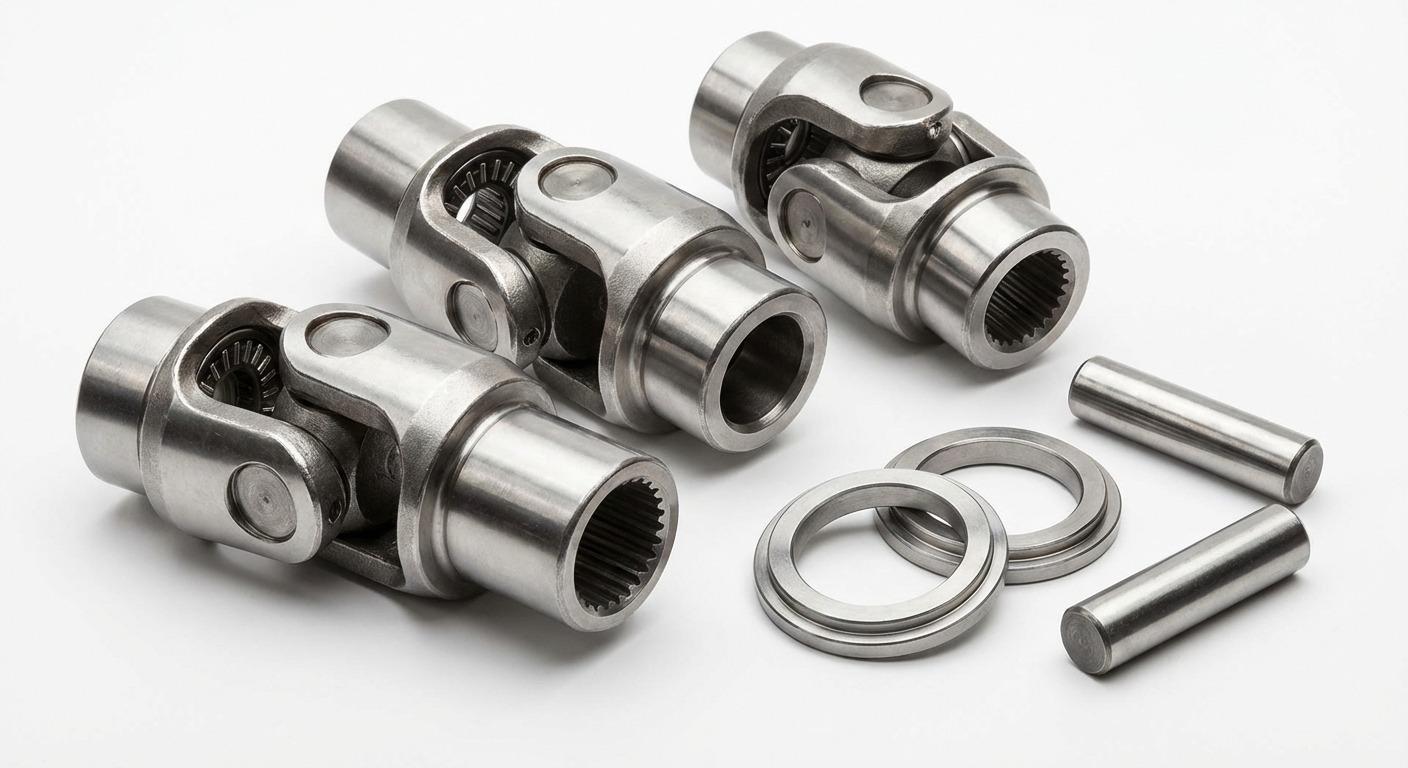
A high torque universal joint coupling, often referred to simply as a universal joint or U-joint, is a mechanical linkage that connects two rigid rods whose axes are inclined to each other. It is particularly valued for its ability to handle high torque loads while accommodating angular misalignments up to 30 degrees or more, depending on the design. Unlike standard couplings, the high torque variant is built with reinforced materials and precision engineering to withstand greater rotational forces without failure. This makes it ideal for applications in heavy machinery, automotive drivetrains, and industrial equipment where reliability is non-negotiable.
The core mechanism of a high torque universal joint coupling involves a cross-shaped yoke connected to spider bearings, which allow for the pivotal movement necessary to compensate for shaft misalignment. When torque is applied, the joint efficiently transfers it from one shaft to another, minimizing energy loss and vibration. Engineers often select this coupling for its versatility; it can operate in both constant velocity and non-constant velocity modes, providing flexibility in various setups. For instance, in off-road vehicles or agricultural equipment, the high torque universal joint coupling ensures that power is delivered consistently, even over uneven terrain or under variable loads.
Key Features and Advantages of High Torque Universal Joint Couplings
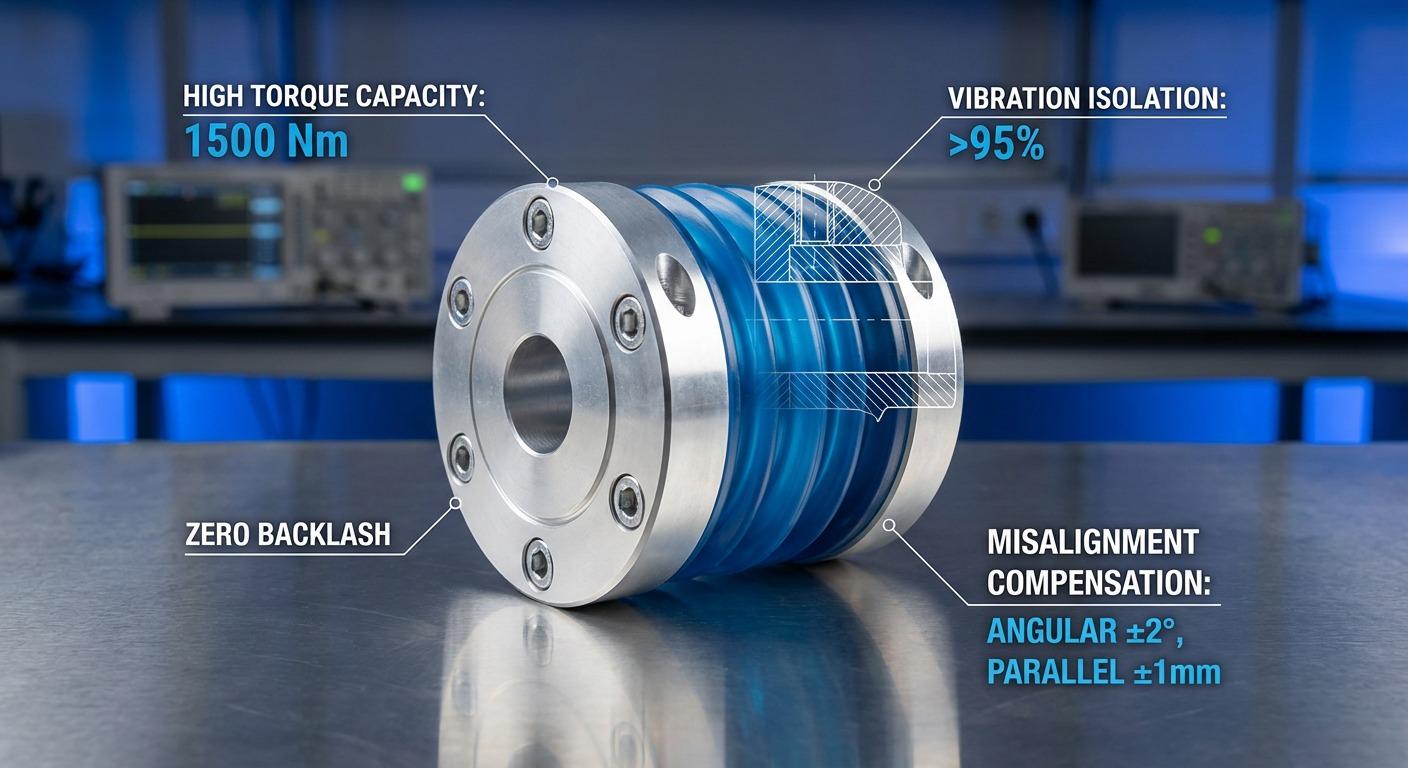
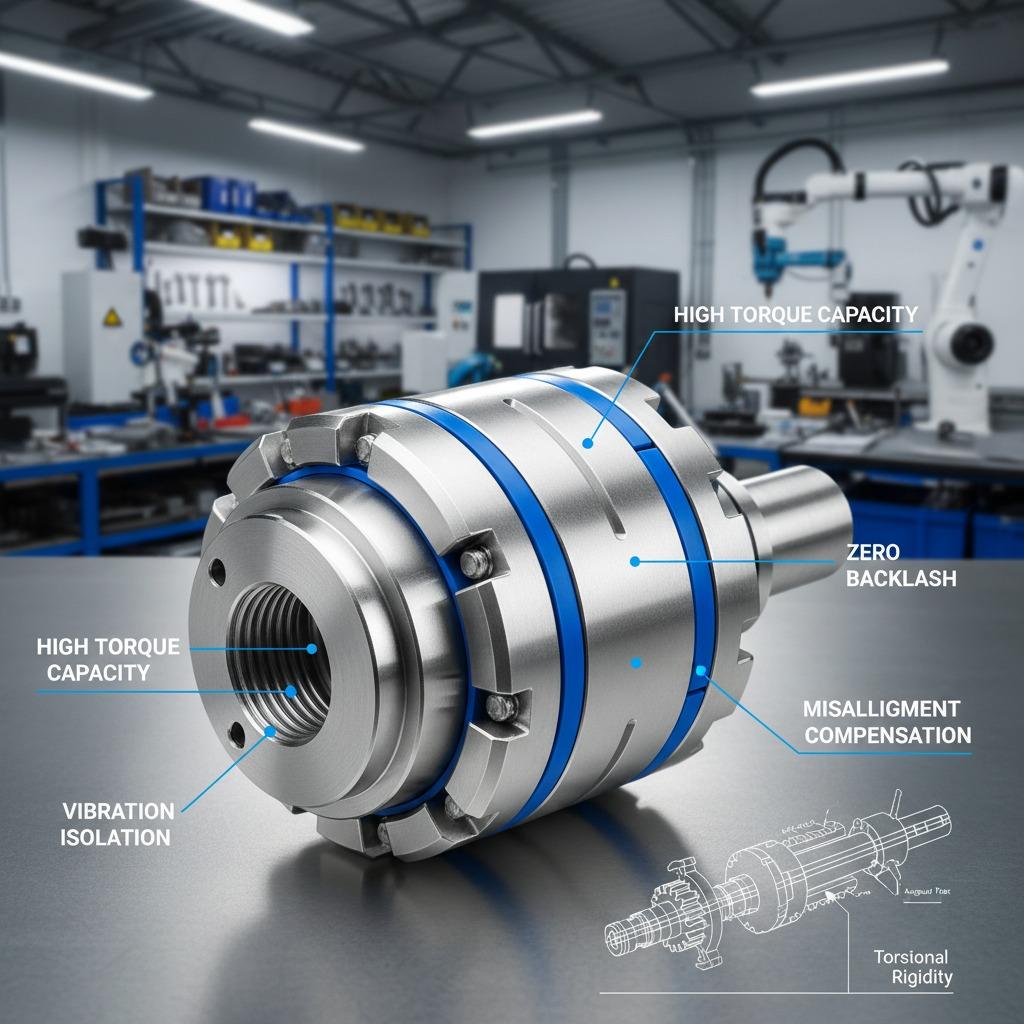
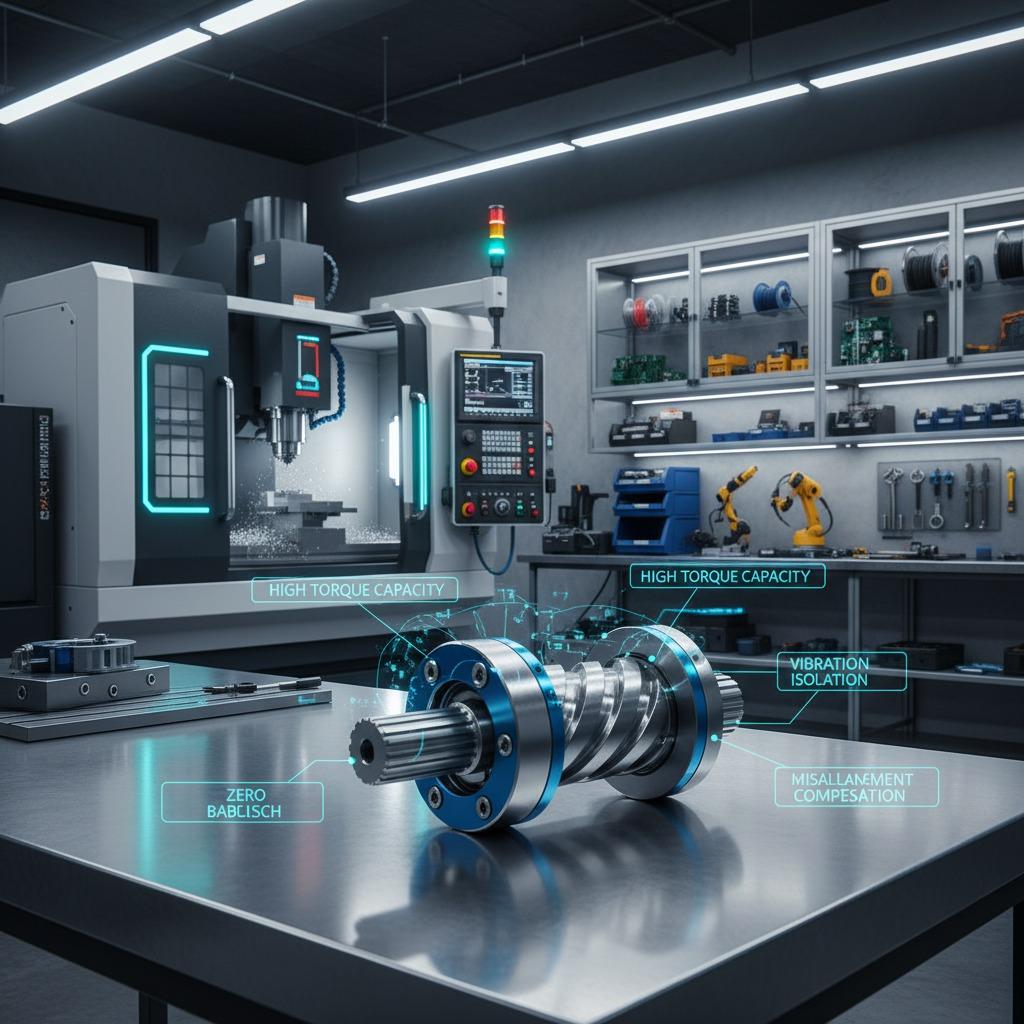
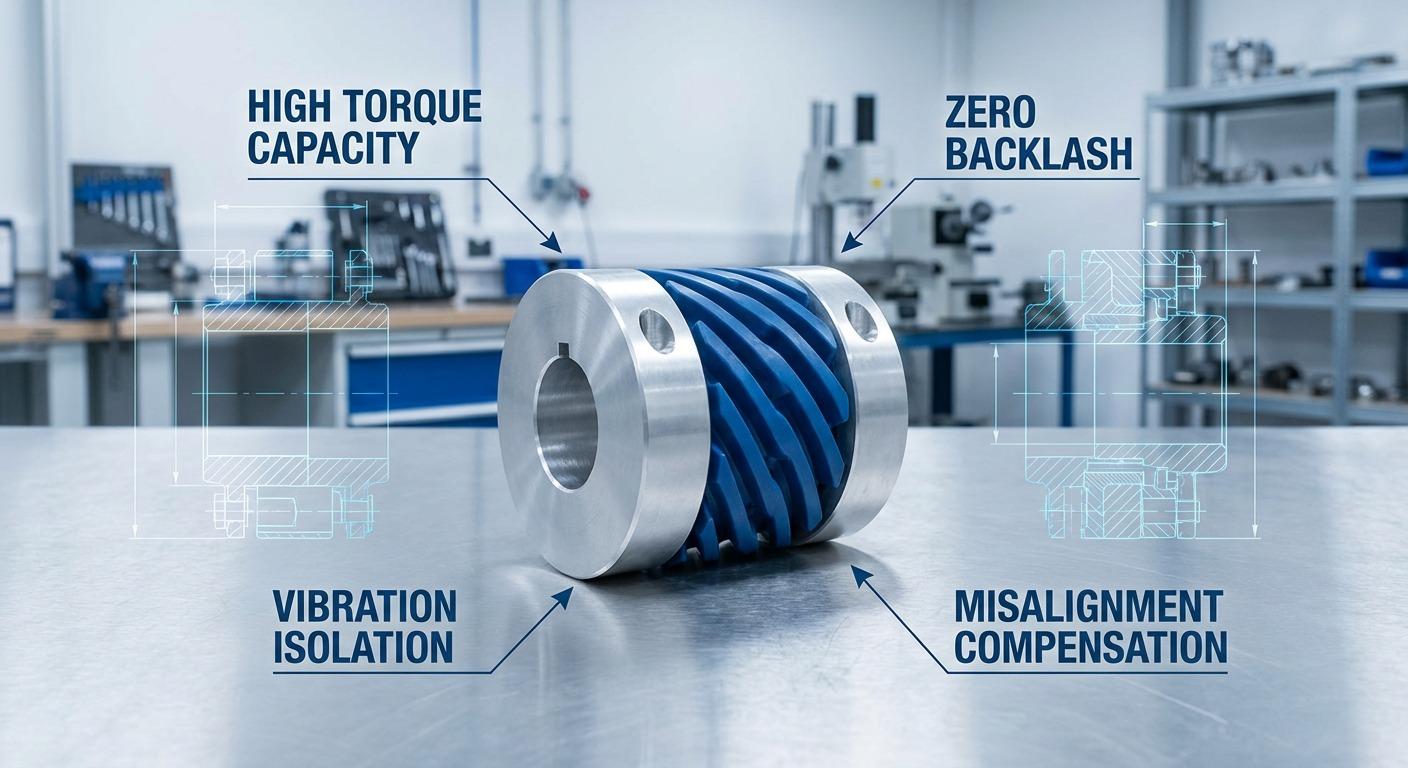
One of the standout features of a high torque universal joint coupling is its exceptional torsional strength, which allows it to manage high levels of rotational force—often exceeding 10,000 Nm in industrial-grade models. This is achieved through the use of high-strength alloys like hardened steel or even composite materials in advanced versions, ensuring durability and resistance to wear. Additionally, modern high torque universal joint couplings are designed with zero backlash capabilities, meaning there is no play or slack in the connection, which is vital for precision-driven applications such as CNC machines or robotic arms.
Angular and parallel stiffness are other critical attributes. The coupling maintains rigidity in these planes, providing stability that prevents unwanted oscillations during operation. This not only extends the lifespan of connected components but also enhances overall system efficiency. In high-torque scenarios, such as those found in marine propulsion systems or wind turbine gearboxes, the ability to handle both rotational and axial loads without compromising flexibility sets this coupling apart from rigid alternatives.
Furthermore, the sub-micron tolerances in manufacturing ensure that every high torque universal joint coupling meets exacting standards for accuracy. This precision is especially beneficial in automation and robotics, where even minor deviations can lead to operational failures. By eliminating mechanical play, these couplings deliver seamless motion control, making them a go-to solution for next-generation technologies.
Applications and Real-World Uses of High Torque Universal Joint Couplings
The versatility of the high torque universal joint coupling extends to a wide array of industries. In the automotive sector, it is a cornerstone of drive shafts, enabling vehicles to navigate turns and rough roads while transmitting engine power effectively. For heavy-duty trucks and construction equipment, these couplings endure extreme torque from powerful engines, ensuring safe and reliable performance on job sites.
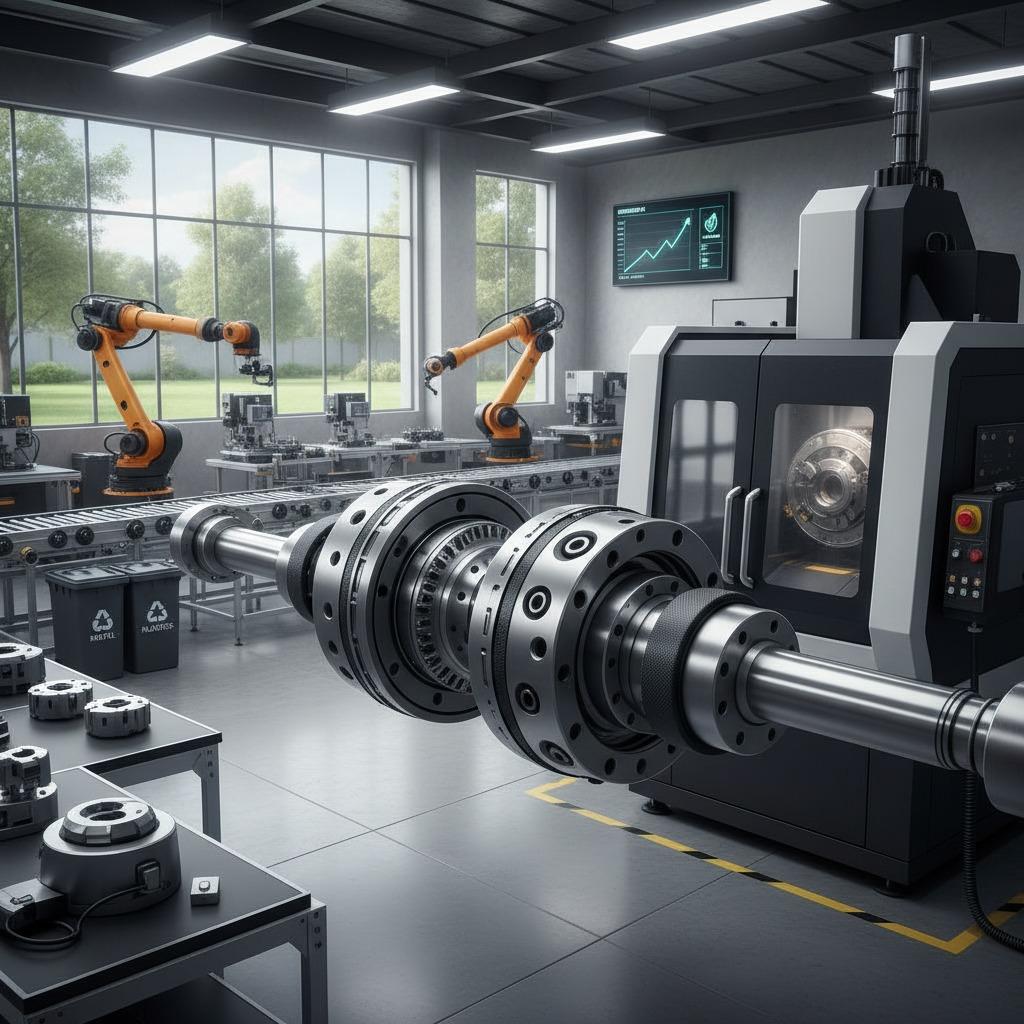
In industrial automation, the high torque universal joint coupling plays a key role in conveyor systems and packaging machinery, where it connects motors to driven components across varying angles. Robotics enthusiasts and professionals alike appreciate its use in articulated arms, allowing for fluid, high-precision movements without the need for complex alignment adjustments. Marine applications benefit from its corrosion-resistant variants, which handle the harsh saltwater environment while maintaining torque integrity in propeller shafts.
Aerospace and defense sectors also leverage advanced high torque universal joint couplings in control systems and actuators. Here, the combination of high torsional stiffness and lightweight design—possible with modern materials—reduces overall system weight without sacrificing power transmission. Even in renewable energy setups like solar trackers, these couplings facilitate smooth pivoting to follow the sun, optimizing energy capture under high torque conditions from wind or mechanical drives.
Selecting the Right High Torque Universal Joint Coupling for Your Needs
Choosing the appropriate high torque universal joint coupling requires careful consideration of several factors, including the maximum torque rating, misalignment capacity, and operating environment. Start by assessing the torque demands of your application; for high-load scenarios, opt for couplings with reinforced yokes and high-grade bearings to prevent premature failure. Environmental factors like temperature extremes, exposure to chemicals, or dusty conditions should guide material selection—stainless steel for corrosive settings or lubricated designs for high-speed operations.
Maintenance is another vital aspect. While high torque universal joint couplings are engineered for longevity, regular lubrication and inspection of the spider joints can significantly extend service life. Many models feature easy-access grease fittings, simplifying upkeep. It's also wise to consult torque-speed curves provided by manufacturers to ensure the coupling matches your system's operational profile, avoiding overloads that could lead to vibration or breakdown.
For cutting-edge applications, consider integrating high torque universal joint couplings with smart sensors for real-time monitoring. This allows predictive maintenance, alerting operators to potential issues before they escalate. By pairing the mechanical prowess of the coupling with digital oversight, industries can achieve unprecedented levels of efficiency and reliability.
Future Innovations in High Torque Universal Joint Coupling Technology
As technology advances, the high torque universal joint coupling continues to evolve. Emerging designs incorporate carbon fiber composites for even greater strength-to-weight ratios, ideal for aerospace and high-performance robotics. Additive manufacturing techniques enable custom geometries, allowing for tailored solutions that fit unique misalignment challenges without compromising torque capacity.
Zero-backlash innovations, such as those with flexible disc elements integrated into universal joint designs, are pushing boundaries in precision engineering. These enhancements promise smoother operation in ultra-high-torque environments, like large-scale wind farms or electric vehicle drivetrains. Moreover, the push towards sustainability is leading to eco-friendly materials and lubricants, reducing the environmental footprint of these essential components.
In summary, the high torque universal joint coupling remains a cornerstone of mechanical power transmission, bridging the gap between flexibility and robustness. Whether enhancing the performance of industrial robots or powering heavy machinery, its role in driving innovation cannot be overstated. By selecting and maintaining the right coupling, engineers can unlock new potentials in their projects, ensuring precision, durability, and efficiency for years to come.