
Unlocking Precision and Power: The Essentials of a Mini Universal Joint
In the world of mechanical engineering, the mini universal joint stands out as a compact yet powerful solution for transmitting torque between misaligned shafts. This innovative component, often overlooked in favor of larger counterparts, is engineered to deliver exceptional performance in space-constrained applications. Whether you're designing robotics, automotive systems, or precision machinery, understanding the mini universal joint can revolutionize your engineering projects by ensuring seamless power transfer without the bulk.
Understanding the Core Design of Mini Universal Joints
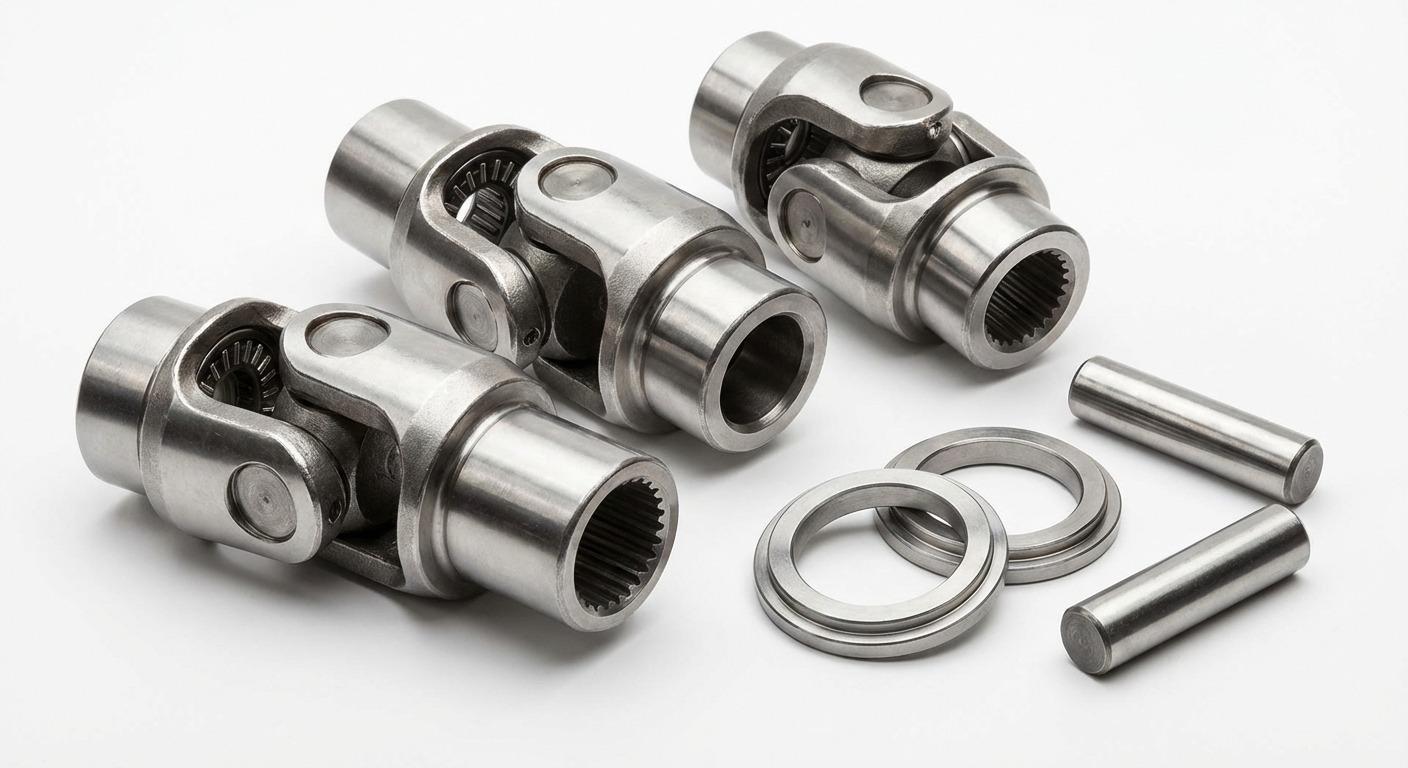
At its heart, a mini universal joint is a torque coupling device that connects two shafts, allowing them to rotate at an angle while maintaining efficient motion transmission. Unlike traditional rigid couplings, the mini universal joint excels in environments where perfect alignment is impossible. Its compact size—typically ranging from a few centimeters in length—makes it ideal for miniature mechanisms, such as those found in medical devices, drones, or small-scale automation. The design incorporates crossed pins or yokes that pivot freely, enabling the joint to accommodate angular displacements without binding.
What sets high-quality mini universal joints apart is their precision engineering. For instance, advanced models feature materials like hardened steel or lightweight alloys to withstand high stresses in dynamic settings. This ensures durability even under continuous operation, minimizing maintenance needs. In practical terms, when integrating a mini universal joint into a system, engineers must consider the operating speed and load; these joints typically handle rotational speeds up to 10,000 RPM, making them versatile for both low- and high-velocity applications.
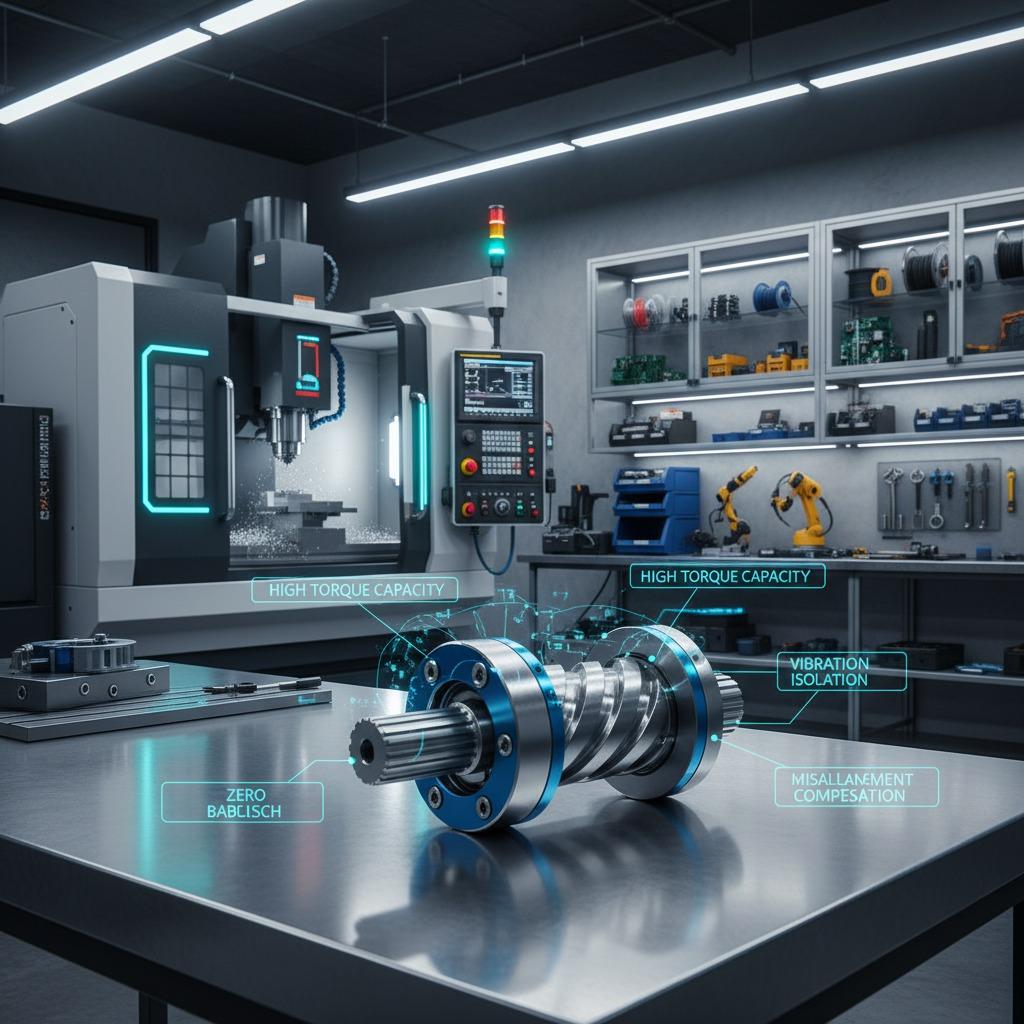
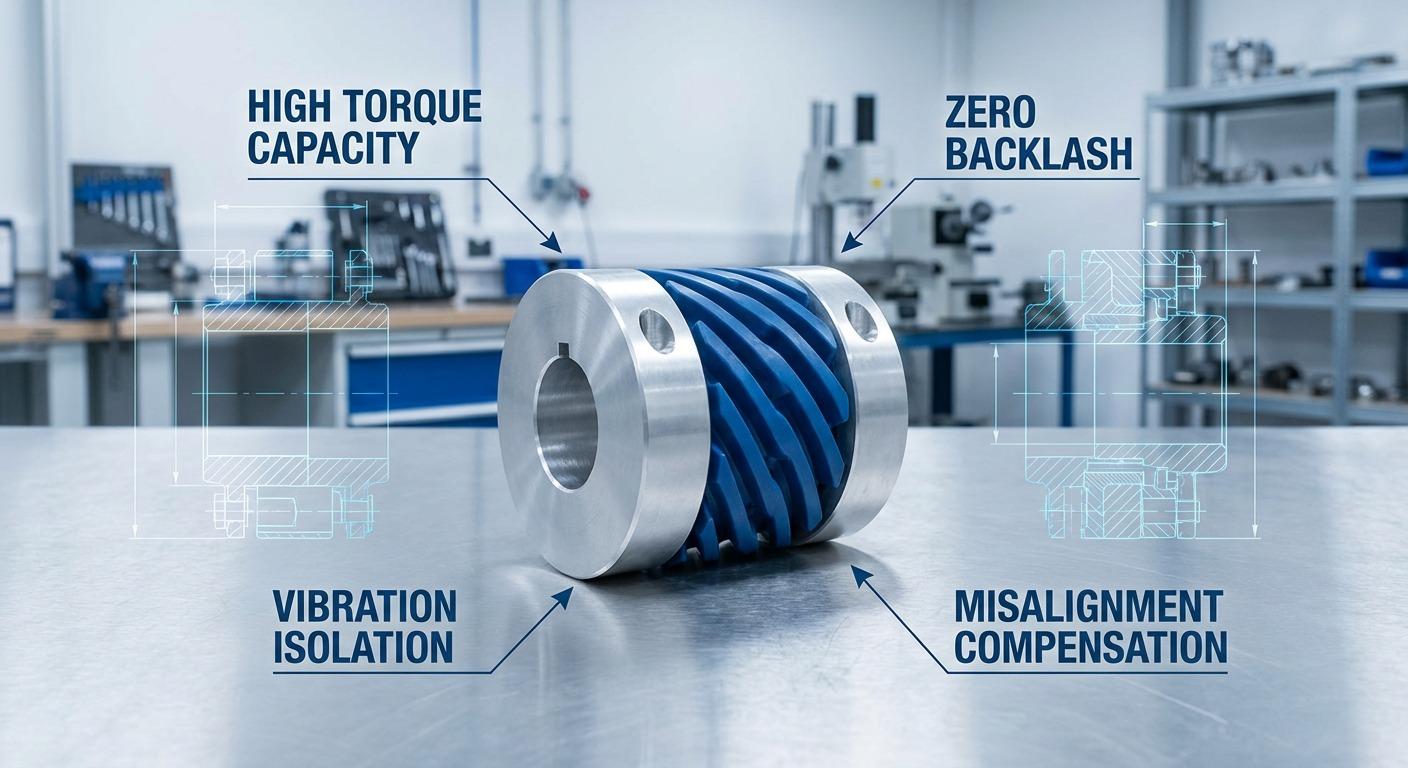
Key Advantages: High Torque Capacity and Zero Backlash
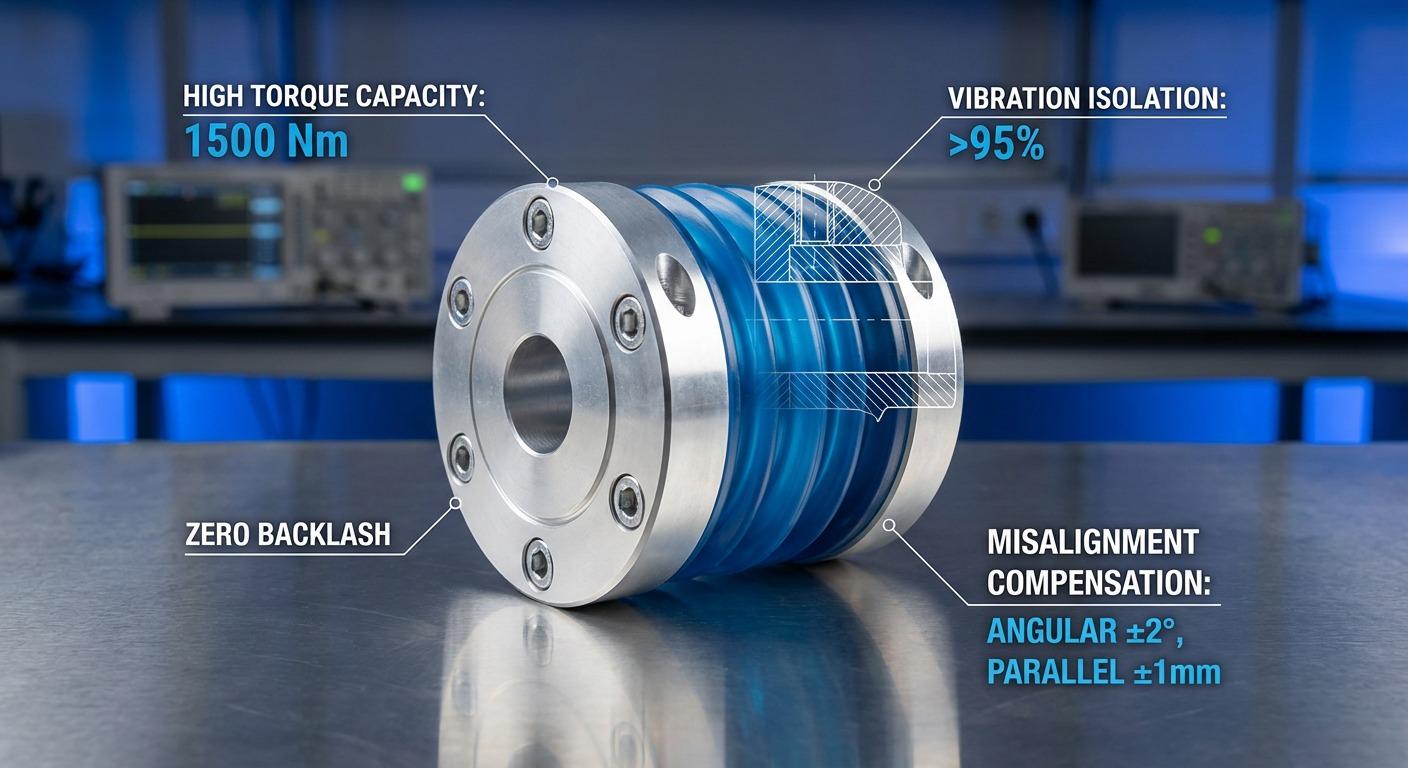
One of the standout features of a superior mini universal joint is its impressive high torque capacity, reaching up to 1500 Nm in cutting-edge designs. This capability allows it to manage substantial power loads in compact forms, which is crucial for industrial applications like conveyor systems or robotic arms where space is at a premium. Despite its small footprint, the joint's robust construction prevents deformation under heavy use, ensuring consistent performance over time.
Zero backlash is another critical benefit, providing smooth and accurate transmission without any lag or slack. In precision tasks, such as CNC machining or optical instruments, even the slightest play can lead to inaccuracies. By eliminating backlash, the mini universal joint guarantees that input motion translates directly to output, enhancing overall system reliability. This feature is particularly valuable in feedback-controlled systems, where positional accuracy is paramount.
Furthermore, the integration of advanced manufacturing techniques, like CNC machining and heat treatment, contributes to this zero-backlash performance. Engineers appreciate how these joints maintain alignment integrity, reducing the risk of mechanical failure and extending equipment lifespan.
Superior Vibration Isolation for Enhanced Longevity
Vibration is a common nemesis in mechanical systems, leading to premature wear and reduced efficiency. The mini universal joint addresses this head-on with over 95% vibration isolation, a feature that significantly dampens oscillations between connected components. This isolation not only protects sensitive machinery but also improves operational smoothness, resulting in quieter and more efficient setups.
In demanding environments, such as automotive drivetrains or aerospace controls, this vibration reduction translates to less fatigue on bearings and seals, ultimately lowering downtime and maintenance costs. By absorbing shocks and harmonics, the joint acts as a buffer, preserving the integrity of the entire assembly. For applications involving high-frequency movements, like in handheld tools or vibration-sensitive electronics, this level of isolation is indispensable.
To achieve such high isolation rates, modern mini universal joints often incorporate elastomeric elements or specialized coatings that further attenuate vibrations. This thoughtful design choice underscores the evolution of these components from basic linkages to sophisticated engineering solutions.
Misalignment Compensation: Flexibility Without Compromise
Real-world machinery rarely aligns perfectly due to thermal expansion, installation variances, or operational shifts. The mini universal joint shines here with its misalignment compensation capabilities, tolerating up to ±2° angular misalignment and ±1mm parallel offset. This flexibility ensures that systems remain functional even when shafts are slightly off-kilter, preventing stress concentrations that could lead to failures.
In practice, this means easier assembly and greater adaptability in field installations. For example, in agricultural equipment or marine propulsion systems, where components may shift due to environmental factors, the joint's tolerance maintains performance without requiring exact alignments. Engineers can thus focus on overall system optimization rather than micromanaging tolerances.
Parallel misalignment handling is equally important for axial loads, allowing the joint to absorb minor displacements without transmitting undue forces. This dual compensation—angular and parallel—makes the mini universal joint a go-to choice for dynamic, multi-axis applications.
Applications and Real-World Impact
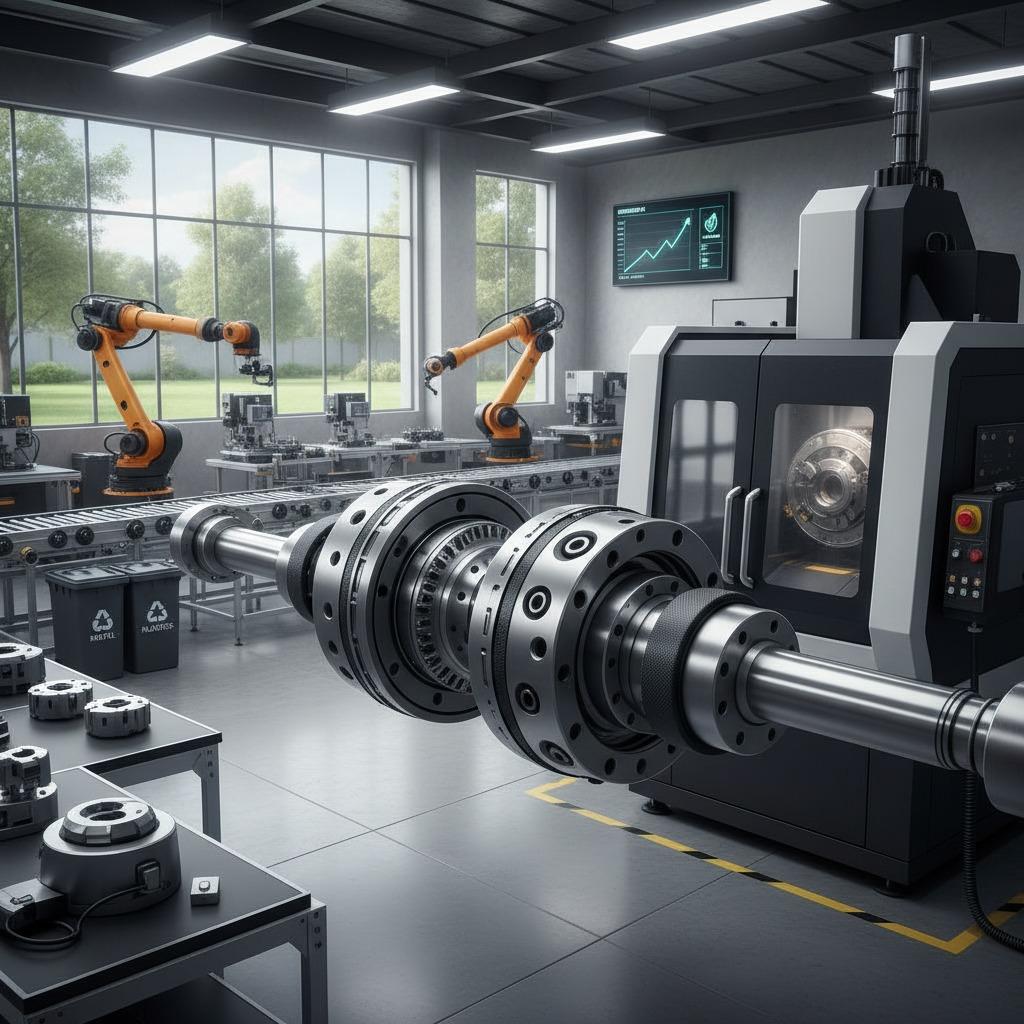
The versatility of the mini universal joint extends to a broad spectrum of industries. In robotics, it enables precise joint movements in collaborative robots (cobots), facilitating human-machine interactions with safety and accuracy. Automotive engineers use it in steering columns and throttle linkages, where compact size and reliability are non-negotiable.
In medical devices, such as surgical robots or prosthetic limbs, the joint's precision and low vibration ensure delicate operations proceed flawlessly. Aerospace applications benefit from its lightweight design and high torque capacity, contributing to fuel-efficient systems. Even in consumer products like power tools or gaming peripherals, mini universal joints provide the smooth motion that enhances user experience.
Consider a scenario in industrial automation: a mini universal joint connects a motor to a conveyor belt in a tight enclosure. Its zero backlash and vibration isolation prevent jams and noise, boosting productivity. Across these uses, the joint's ability to perform in high-precision, dynamic environments solidifies its role as an essential component.
Selecting the Right Mini Universal Joint for Your Needs
Choosing the optimal mini universal joint involves assessing factors like torque requirements, speed, and environmental conditions. Start by matching the joint's capacity to your application's demands—ensure it exceeds the maximum load by a safety margin. For corrosive settings, opt for stainless steel variants; for high-speed ops, prioritize balanced designs to minimize centrifugal forces.
Consulting specifications from reputable manufacturers is key. Look for certifications like ISO standards for quality assurance. Additionally, consider customization options, such as bore sizes or hub configurations, to fit your shafts seamlessly. Proper lubrication—using grease suited to the operating temperature—will further extend service life.
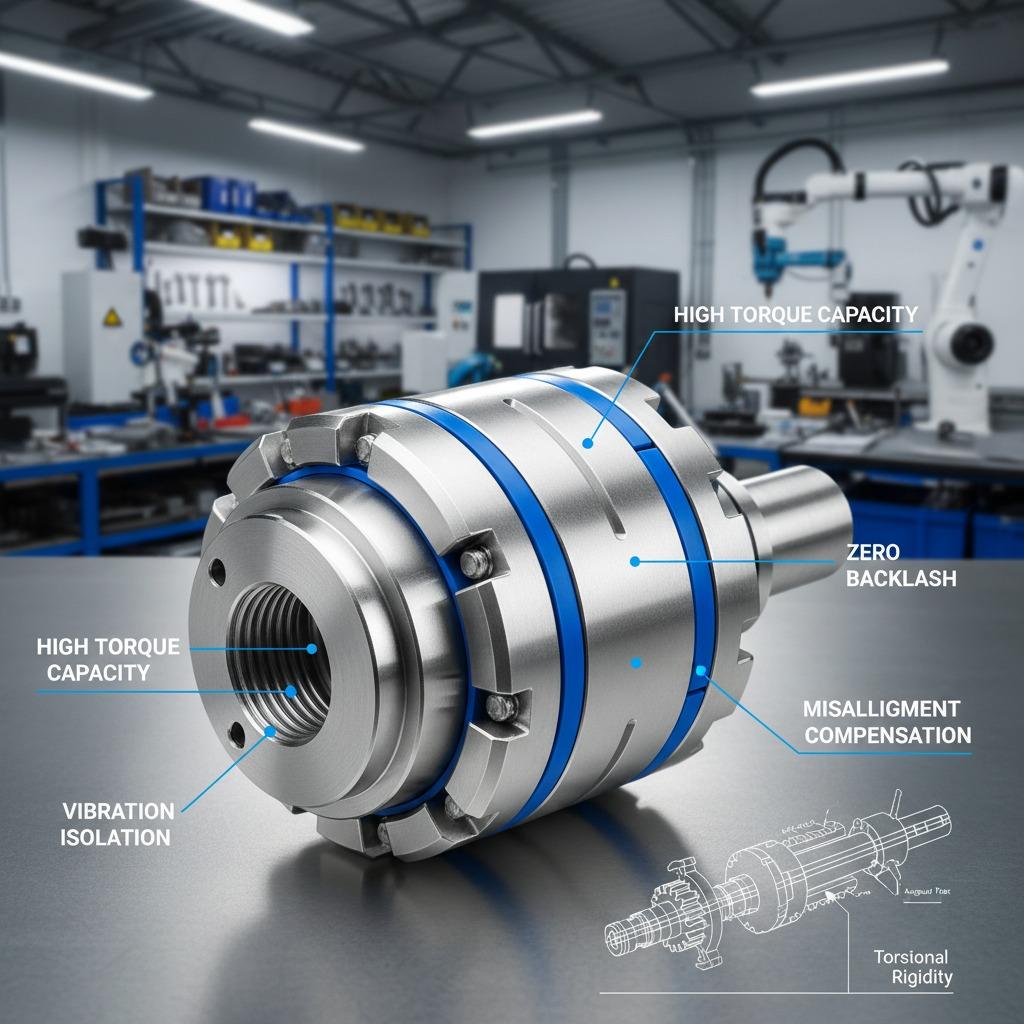
In summary, the mini universal joint represents a pinnacle of compact engineering, blending high torque capacity, zero backlash, superior vibration isolation, and misalignment tolerance into a single, reliable package. By incorporating this component, engineers can achieve unparalleled precision and durability in their designs, driving innovation across industries. As technology advances, expect mini universal joints to evolve further, supporting even more demanding applications in the future.