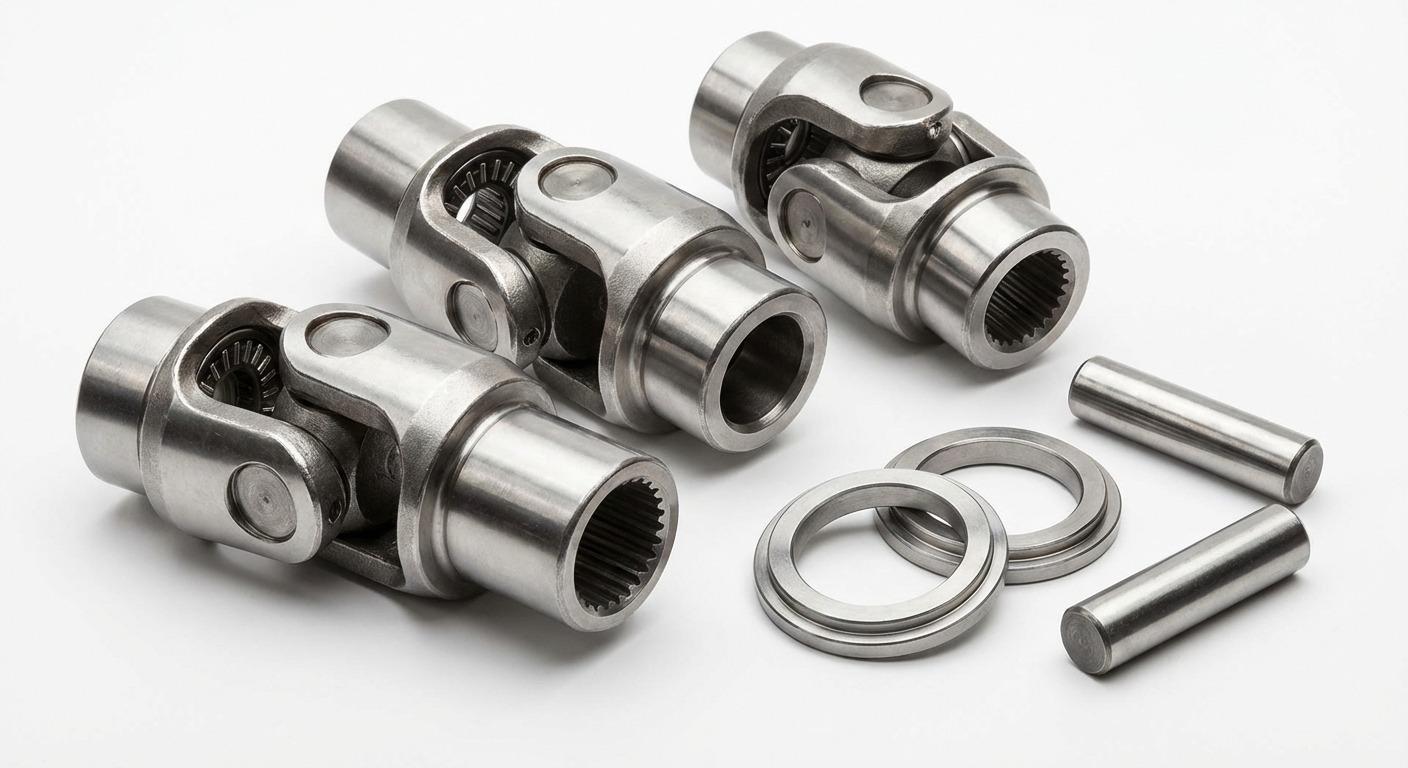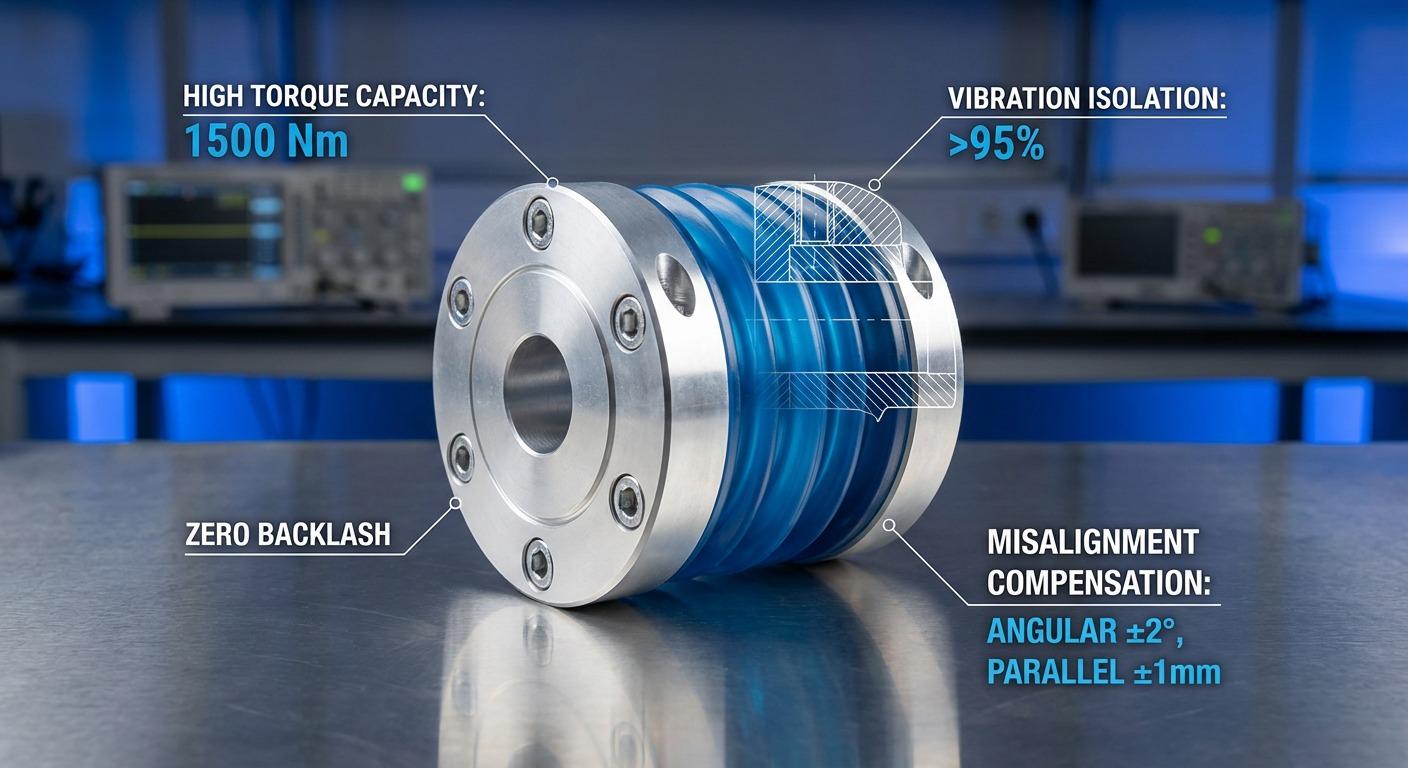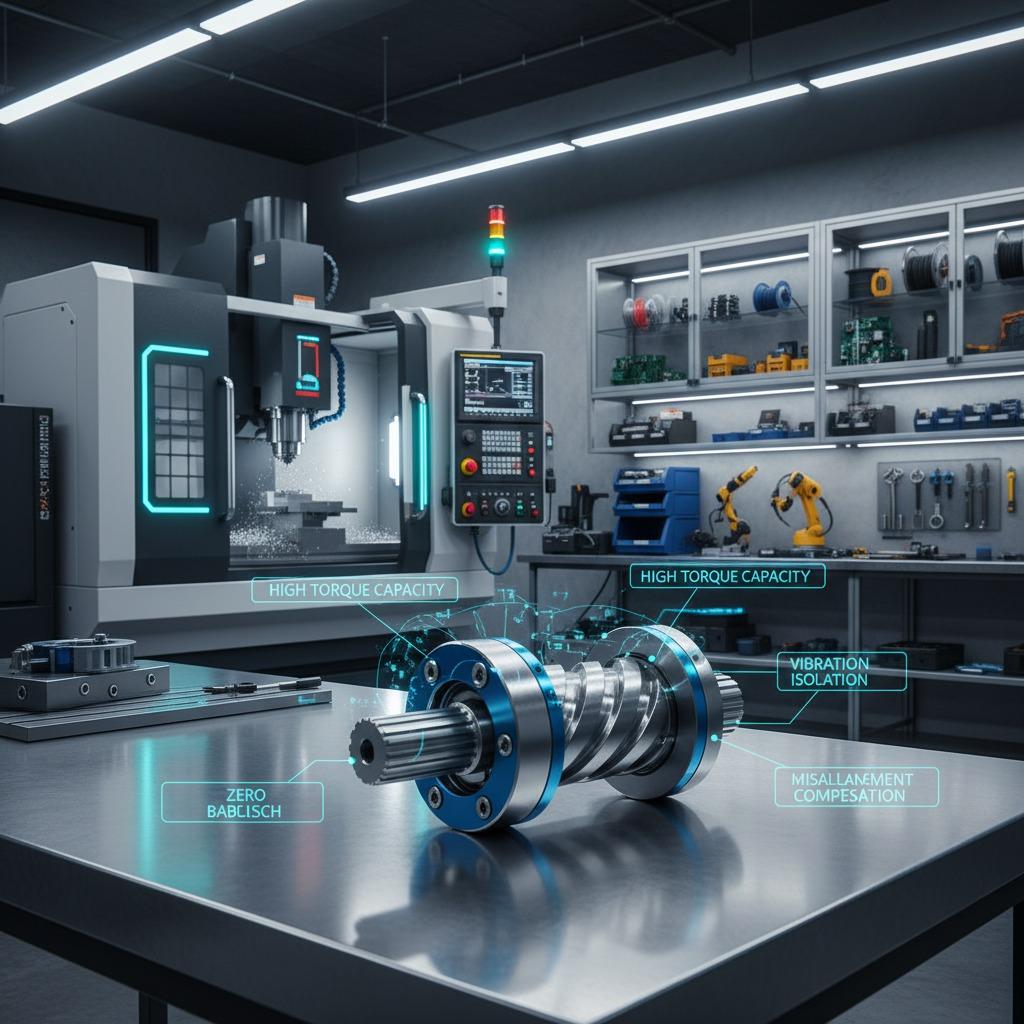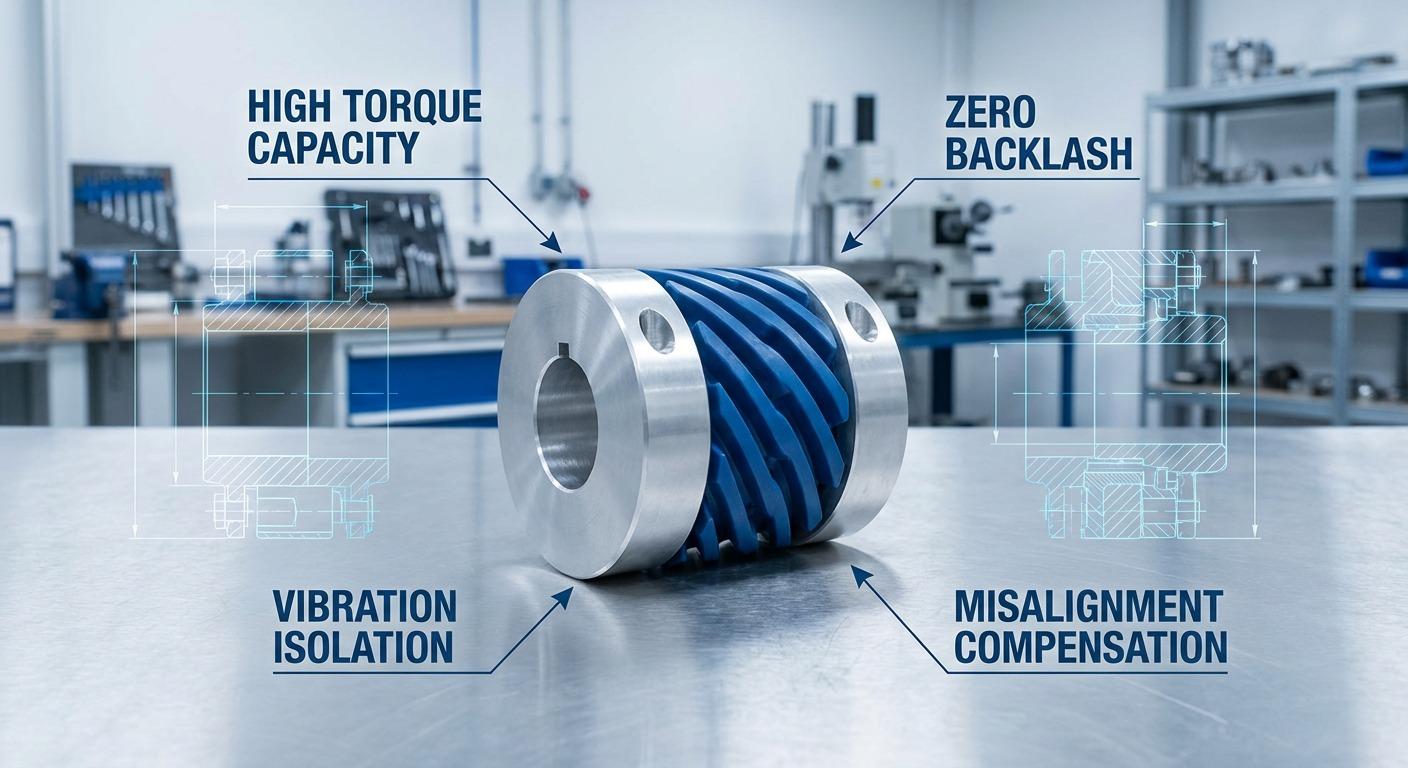

In the world of mechanical engineering and power transmission, ensuring a direct and unwavering connection between shafts is paramount for peak performance. This is where the Rigid Coupling proves its value as a fundamental component. A rigid coupling is designed to create a solid, non-flexible link between two shafts, ensuring that torque is transmitted with maximum efficiency and zero backlash. For systems that demand perfect alignment and synchronization, these couplings are not just a component, but a cornerstone of operational integrity and reliability.
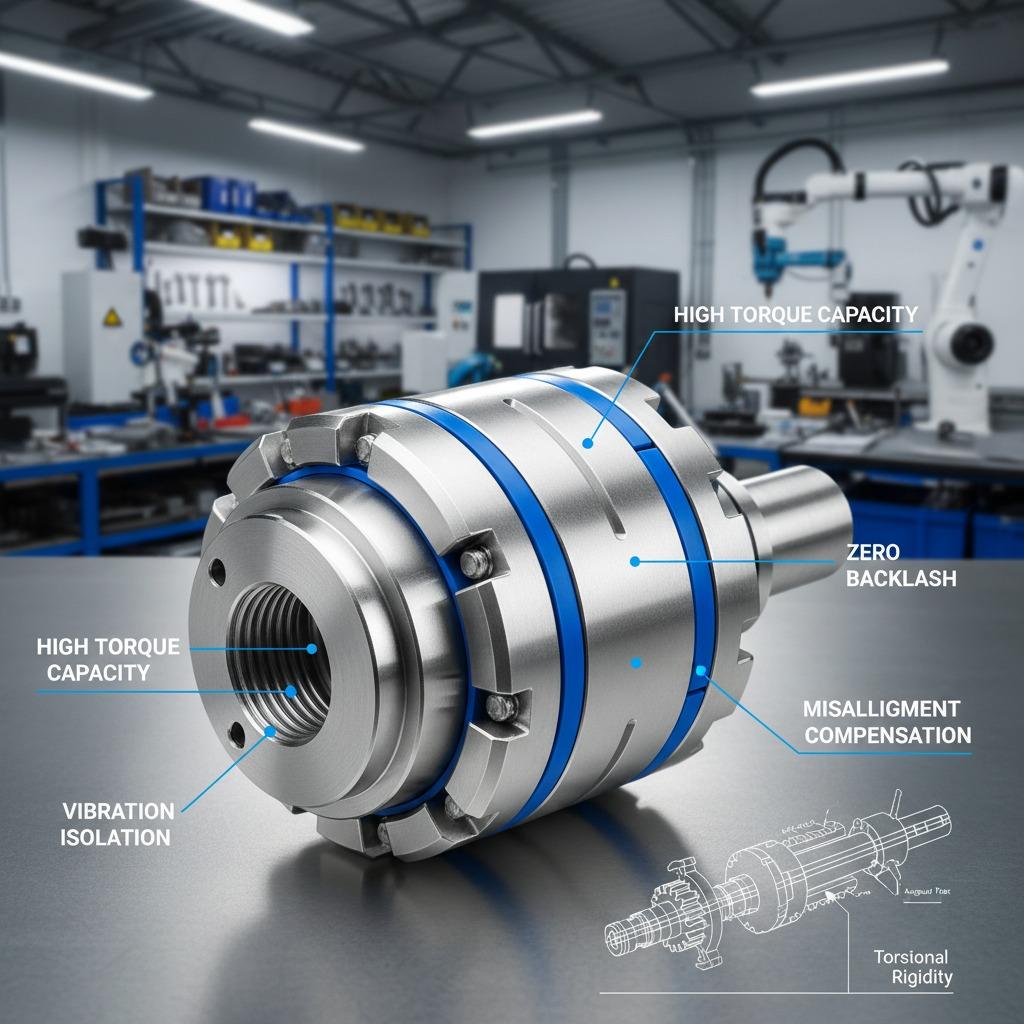
The genius of the Rigid Coupling Design lies in its simplicity and strength. Unlike flexible couplings that accommodate misalignment, a rigid coupling demands precision. This precise alignment, however, unlocks a host of performance advantages. The primary benefit is its ability to transmit high levels of torque without any loss of power or motion, a critical factor in heavy-duty machinery. The resulting torsional stiffness ensures that the output shaft perfectly mirrors the input shaft's rotation, which is essential for applications like CNC machines and robotics. The Benefits of Rigid Coupling also include their inherent simplicity, which often translates to a lower cost, easier maintenance, and a long operational lifespan with minimal wear when installed correctly.
There are several distinct Rigid Coupling Types, each engineered to meet specific operational demands. Two of the most effective and popular designs are the Flange Coupling and the Split Clamp Coupling. The Flange Coupling is a true workhorse, crafted from high-strength alloy steel to withstand the most demanding industrial environments. It consists of two flanged hubs that are bolted together, creating an incredibly strong and secure connection for seamless torque transfer. Its precision-machined surfaces minimize vibration and ensure smooth rotational movement, making it ideal for connecting motors to pumps, generators, or large conveyor systems.
On the other hand, the innovative Split Clamp Coupling offers remarkable versatility and ease of use. Its defining feature is a split-body design that allows it to be installed or removed without having to disassemble surrounding equipment, drastically reducing downtime during maintenance. These couplings, often featuring a sleek black finish for enhanced durability, clamp securely onto shafts using a series of robust fasteners. Made from high-grade materials, they provide excellent resistance to wear and tear, making them a preferred choice in a wide range of industries where both reliability and quick maintenance are key.
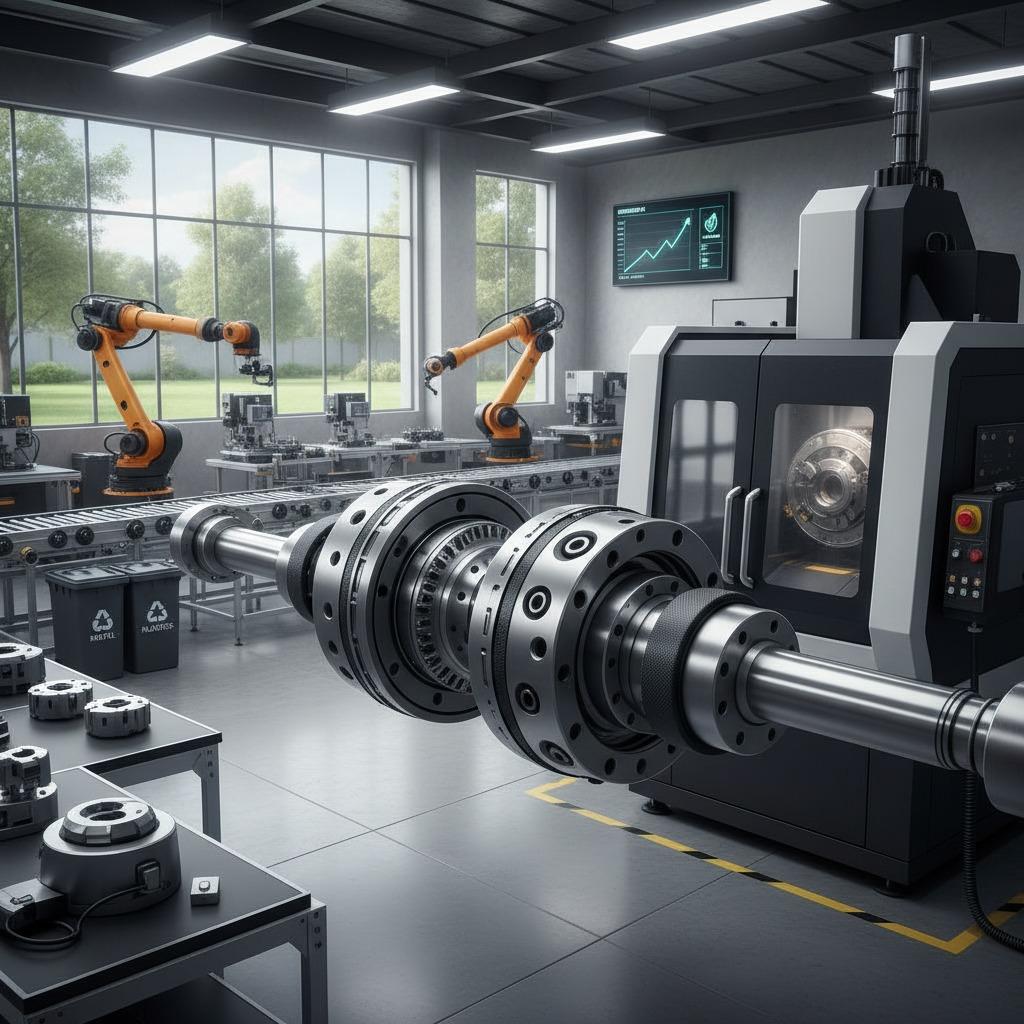
The practical uses for these components span across numerous sectors, highlighting the importance of the Industrial Rigid Coupling in modern manufacturing and automation. You will find extensive Rigid Coupling Applications in systems where precise timing and positioning are non-negotiable. For example, in automated assembly lines and packaging machinery, rigid couplings ensure that all moving parts remain perfectly synchronized. They are also integral to the function of mixers and agitators, where the full motor torque must be delivered directly to the mixing blades. The robust nature of a Flange or Split Clamp Rigid Coupling makes them essential in powering pumps, fans, and compressors, where reliability and direct power transfer contribute to overall system efficiency and longevity.
Ultimately, selecting a Rigid Coupling is a decision for performance, precision, and power. While they require careful alignment during installation, the payoff is an exceptionally stable and reliable connection that excels in high-torque and high-precision scenarios. By eliminating flex and backlash, these couplings ensure that your machinery operates exactly as intended, protecting equipment integrity and maximizing output. Whether you need the sheer strength of a Flange Coupling for heavy machinery or the convenient installation of a Split Clamp Coupling for a complex system, a rigid connection is the definitive solution for uncompromising power transmission.
Exploring the Core Benefits of Rigid Coupling Design
The genius of the Rigid Coupling Design lies in its simplicity and strength. Unlike flexible couplings that accommodate misalignment, a rigid coupling demands precision. This precise alignment, however, unlocks a host of performance advantages. The primary benefit is its ability to transmit high levels of torque without any loss of power or motion, a critical factor in heavy-duty machinery. The resulting torsional stiffness ensures that the output shaft perfectly mirrors the input shaft's rotation, which is essential for applications like CNC machines and robotics. The Benefits of Rigid Coupling also include their inherent simplicity, which often translates to a lower cost, easier maintenance, and a long operational lifespan with minimal wear when installed correctly.
A Look at Common Rigid Coupling Types
There are several distinct Rigid Coupling Types, each engineered to meet specific operational demands. Two of the most effective and popular designs are the Flange Coupling and the Split Clamp Coupling. The Flange Coupling is a true workhorse, crafted from high-strength alloy steel to withstand the most demanding industrial environments. It consists of two flanged hubs that are bolted together, creating an incredibly strong and secure connection for seamless torque transfer. Its precision-machined surfaces minimize vibration and ensure smooth rotational movement, making it ideal for connecting motors to pumps, generators, or large conveyor systems.
On the other hand, the innovative Split Clamp Coupling offers remarkable versatility and ease of use. Its defining feature is a split-body design that allows it to be installed or removed without having to disassemble surrounding equipment, drastically reducing downtime during maintenance. These couplings, often featuring a sleek black finish for enhanced durability, clamp securely onto shafts using a series of robust fasteners. Made from high-grade materials, they provide excellent resistance to wear and tear, making them a preferred choice in a wide range of industries where both reliability and quick maintenance are key.
Key Industrial Rigid Coupling Applications
The practical uses for these components span across numerous sectors, highlighting the importance of the Industrial Rigid Coupling in modern manufacturing and automation. You will find extensive Rigid Coupling Applications in systems where precise timing and positioning are non-negotiable. For example, in automated assembly lines and packaging machinery, rigid couplings ensure that all moving parts remain perfectly synchronized. They are also integral to the function of mixers and agitators, where the full motor torque must be delivered directly to the mixing blades. The robust nature of a Flange or Split Clamp Rigid Coupling makes them essential in powering pumps, fans, and compressors, where reliability and direct power transfer contribute to overall system efficiency and longevity.
Why Choose a Rigid Coupling for Your System?
Ultimately, selecting a Rigid Coupling is a decision for performance, precision, and power. While they require careful alignment during installation, the payoff is an exceptionally stable and reliable connection that excels in high-torque and high-precision scenarios. By eliminating flex and backlash, these couplings ensure that your machinery operates exactly as intended, protecting equipment integrity and maximizing output. Whether you need the sheer strength of a Flange Coupling for heavy machinery or the convenient installation of a Split Clamp Coupling for a complex system, a rigid connection is the definitive solution for uncompromising power transmission.