
Discovering the Excellence of Stainless Steel Universal Couplings
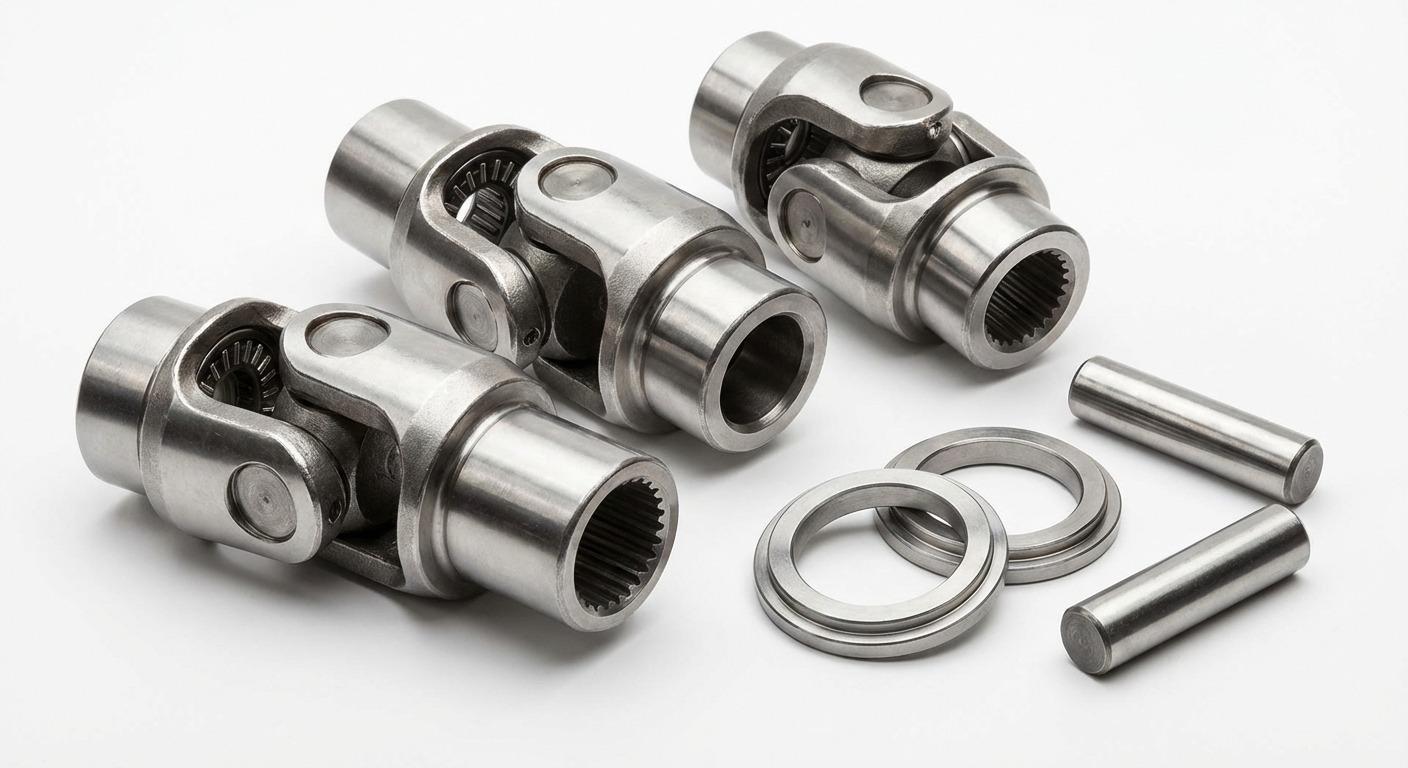
In the world of mechanical engineering, the stainless steel universal coupling stands out as a vital component for seamless power transmission. Often referred to as a stainless steel universal joint or simply a stainless steel universal, this versatile device connects shafts that are not aligned, allowing for efficient torque transfer even in challenging configurations. Engineered from high-grade stainless steel, it offers exceptional corrosion resistance, making it ideal for harsh environments like marine, chemical processing, and food production industries. This article delves into the features, benefits, and applications of the stainless steel universal coupling, highlighting why it's a top choice for professionals seeking durability and performance.
Key Features of the Stainless Steel Universal Coupling
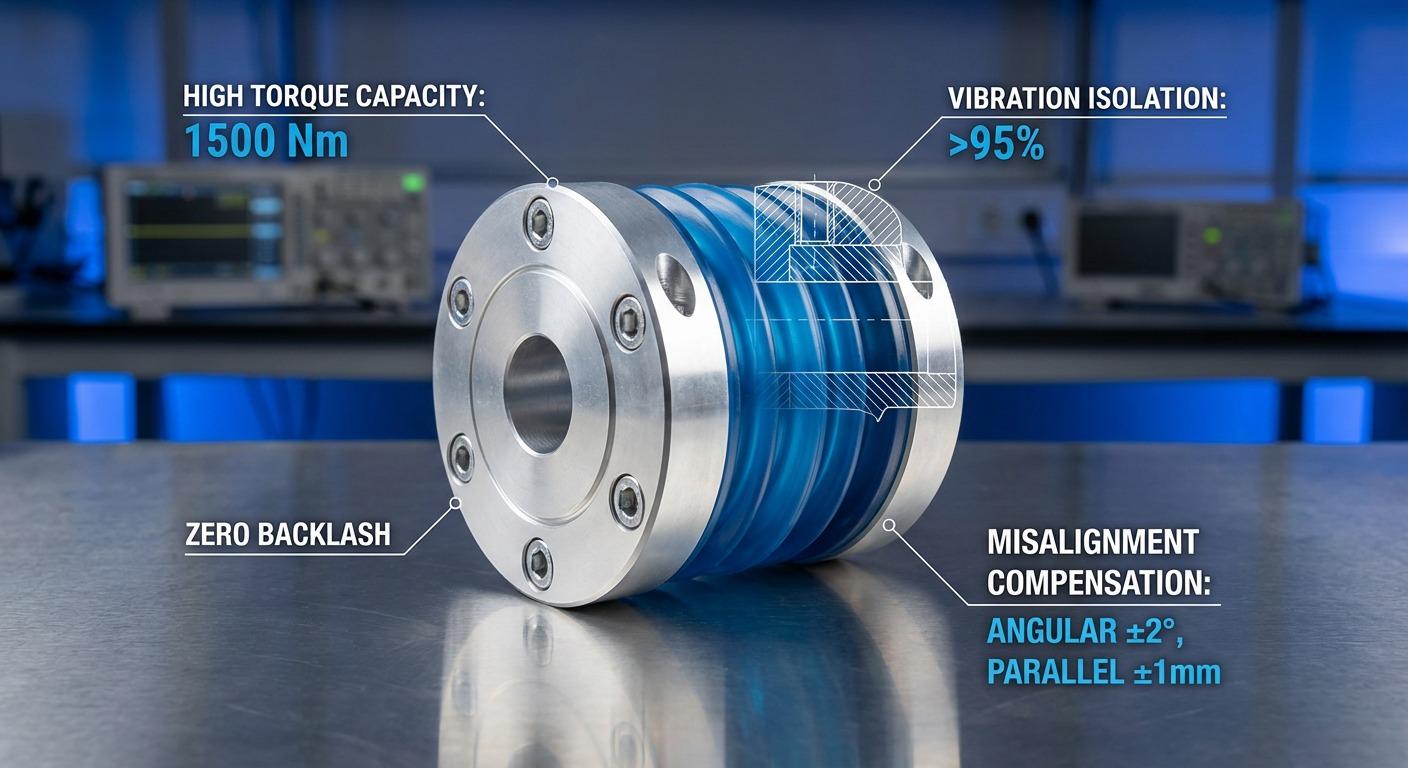
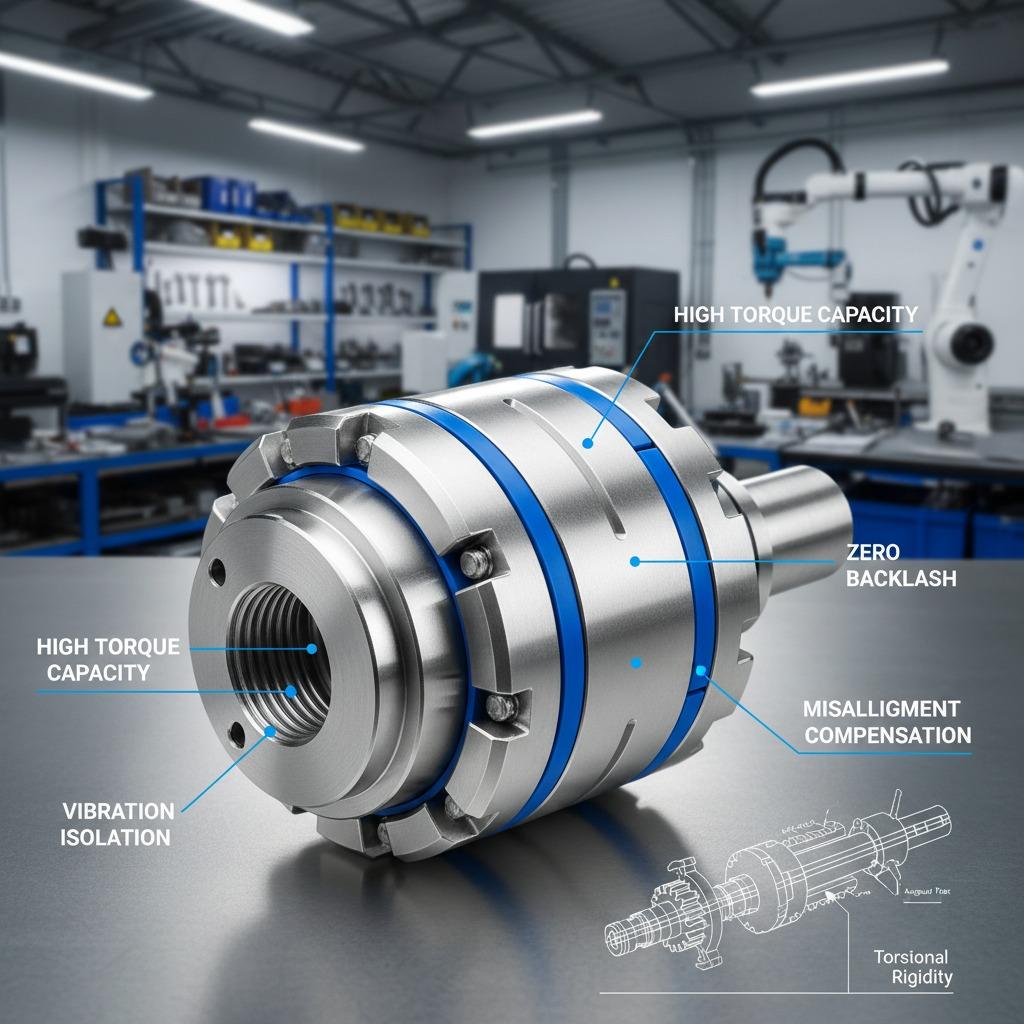
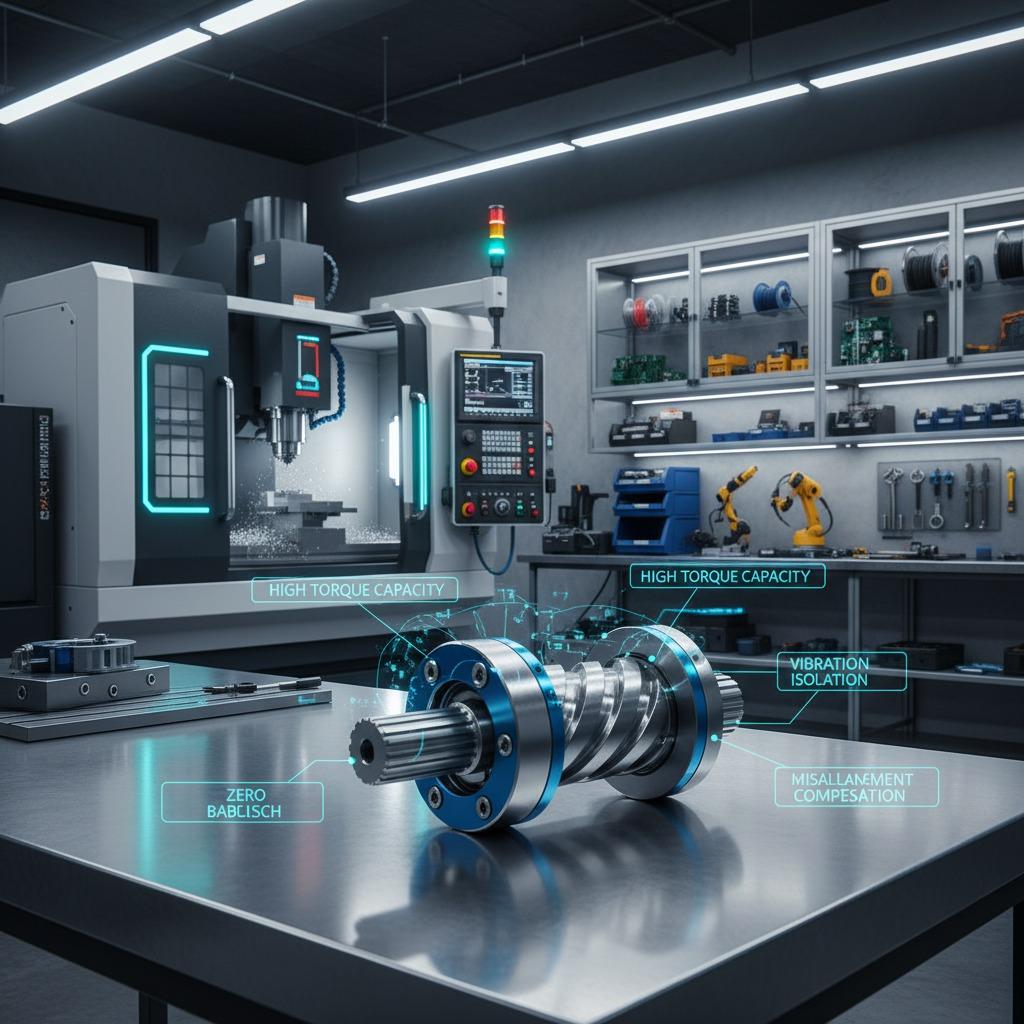
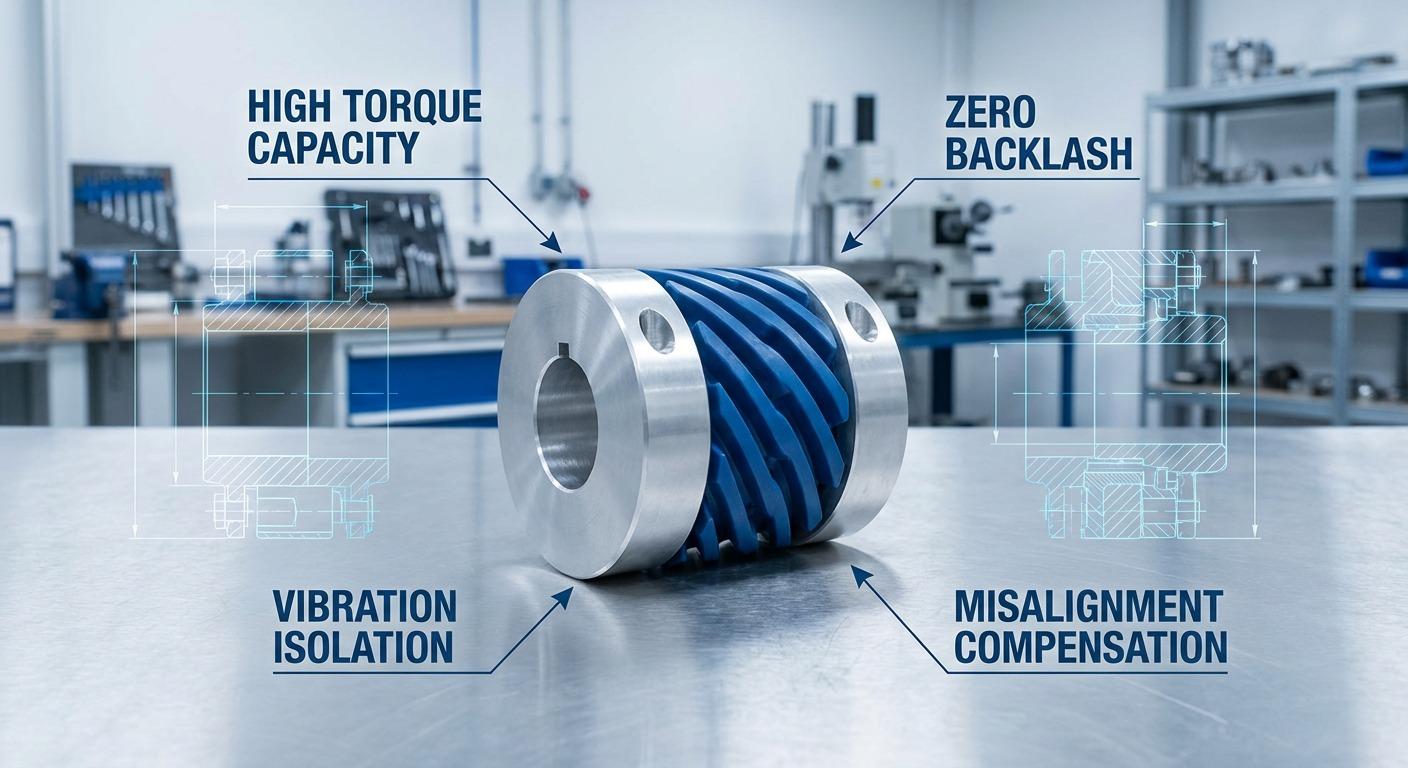
The stainless steel universal coupling is renowned for its robust construction and advanced design elements. One of its primary attributes is the high torque capacity, often reaching up to 1500 Nm, which ensures reliable power transmission in demanding applications. This capability is crucial for machinery where even minor failures can lead to significant downtime. Additionally, the zero backlash feature eliminates play between components, providing precise and smooth operation essential for robotics and CNC machines. Vibration isolation is another highlight, exceeding 95% in many models, which minimizes noise, reduces wear on connected parts, and extends the overall lifespan of the system.
What sets the stainless steel universal apart is its ability to compensate for misalignment. It can handle angular deviations of ±2 degrees and parallel offsets up to ±1mm, making it adaptable to real-world installations where perfect alignment is often impractical. Crafted from premium stainless steel, these couplings resist rust and degradation, even when exposed to moisture, chemicals, or extreme temperatures. The sleek, modern design not only enhances aesthetic appeal but also facilitates easy integration into existing setups. For industries like automation and aerospace, this combination of strength and flexibility translates to enhanced efficiency and reduced maintenance costs.
Applications Across Diverse Industries
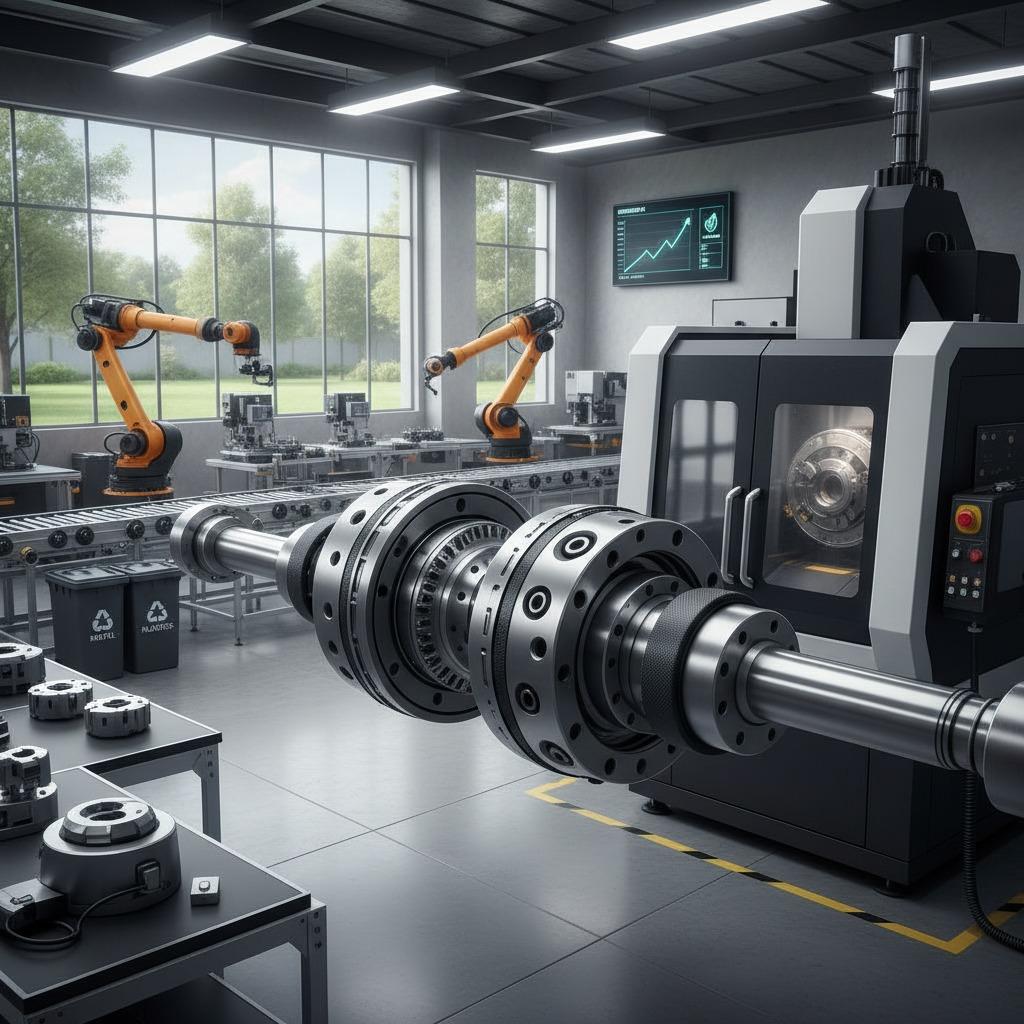
The versatility of the stainless steel universal coupling makes it indispensable in a wide array of sectors. In the automotive industry, it's used in drive shafts to connect the engine to the wheels, accommodating the movement and vibrations inherent in vehicle operation. For marine applications, the corrosion-resistant properties of stainless steel ensure longevity in saltwater environments, powering propulsion systems on boats and ships. In food and beverage processing, where hygiene is paramount, these couplings meet stringent sanitary standards, preventing contamination while maintaining smooth conveyor operations.
Beyond these, the stainless steel universal finds critical roles in aerospace for controlling flaps and rudders, where precision and reliability are non-negotiable. In renewable energy setups, such as wind turbines, it helps transmit rotational energy from blades to generators, enduring constant exposure to weather elements. Robotics enthusiasts and manufacturers alike appreciate its zero backlash for accurate positioning in assembly lines and automated guided vehicles. Whether in heavy industrial machinery or delicate medical equipment, the stainless steel universal coupling delivers consistent performance, adapting to angular and axial misalignments without compromising efficiency.
Advantages Over Traditional Couplings
Compared to conventional options like cast iron or aluminum couplings, the stainless steel universal offers superior advantages that justify its selection in high-stakes environments. Its material composition provides unmatched resistance to corrosion, which is vital in humid or acidic conditions where other metals would fail prematurely. The high torque handling reduces the need for oversized components, saving space and weight in compact designs. Zero backlash ensures that motion control systems operate with pinpoint accuracy, minimizing errors in processes that demand exact synchronization.
Vibration damping capabilities further protect sensitive equipment from fatigue, leading to fewer breakdowns and lower operational costs over time. Installation is straightforward, often requiring no special tools, and the coupling's flexibility forgives minor alignment issues during setup, speeding up assembly. Environmentally, stainless steel's recyclability aligns with sustainable practices, appealing to eco-conscious manufacturers. In precision applications, such as semiconductor production, the stainless steel universal's ability to maintain alignment under load prevents costly defects, making it a smart investment for long-term reliability.
Selecting the Right Stainless Steel Universal Coupling
Choosing the appropriate stainless steel universal coupling involves considering factors like torque requirements, misalignment tolerances, and environmental conditions. Start by assessing the maximum load your system will encounter; a coupling with at least 1500 Nm capacity, like advanced precision models, provides a safety margin for unexpected stresses. Evaluate the degree of misalignment: for systems with significant angular offsets, opt for designs that accommodate ±2 degrees or more. Material grade matters—opt for 316 stainless steel for superior corrosion resistance in aggressive settings.
Consider additional features such as vibration isolation ratings above 95% to ensure quiet, efficient operation. For high-speed applications, prioritize low-friction bearings within the coupling to reduce energy loss. It's also wise to consult specifications for backlash; zero or near-zero options are best for precision tasks. Reputable suppliers offer customizable solutions, allowing tailoring to specific shaft diameters and lengths. Regular maintenance, though minimal due to the durable nature of stainless steel, involves periodic inspections for wear, ensuring optimal performance throughout the coupling's extended service life.
The Future of Stainless Steel Universal Couplings in Engineering
As technology advances, the stainless steel universal coupling continues to evolve, incorporating innovations like integrated sensors for real-time monitoring of torque and vibration. This smart integration supports predictive maintenance, alerting operators to potential issues before they escalate. In the era of Industry 4.0, these couplings enhance connectivity in IoT-enabled machinery, contributing to smarter, more responsive production lines. With growing emphasis on sustainability, manufacturers are developing even more lightweight yet durable variants, reducing energy consumption without sacrificing strength.
Looking ahead, the demand for stainless steel universal components in emerging fields like electric vehicles and advanced robotics will surge, driven by their reliability in dynamic environments. Engineers are exploring hybrid materials to further boost performance, combining stainless steel with composites for enhanced flexibility. Ultimately, the stainless steel universal coupling remains a cornerstone of mechanical design, bridging the gap between innovation and practicality. Its proven track record in handling misalignment, torque, and harsh conditions positions it as an enduring solution for tomorrow's engineering challenges.
In summary, the stainless steel universal coupling exemplifies engineering excellence, offering a blend of durability, precision, and adaptability that meets the needs of modern industries. Whether you're upgrading existing systems or designing new ones, investing in this component promises enhanced efficiency and peace of mind.