
The Essential Guide to Mini Universal Joint for Automation Equipment
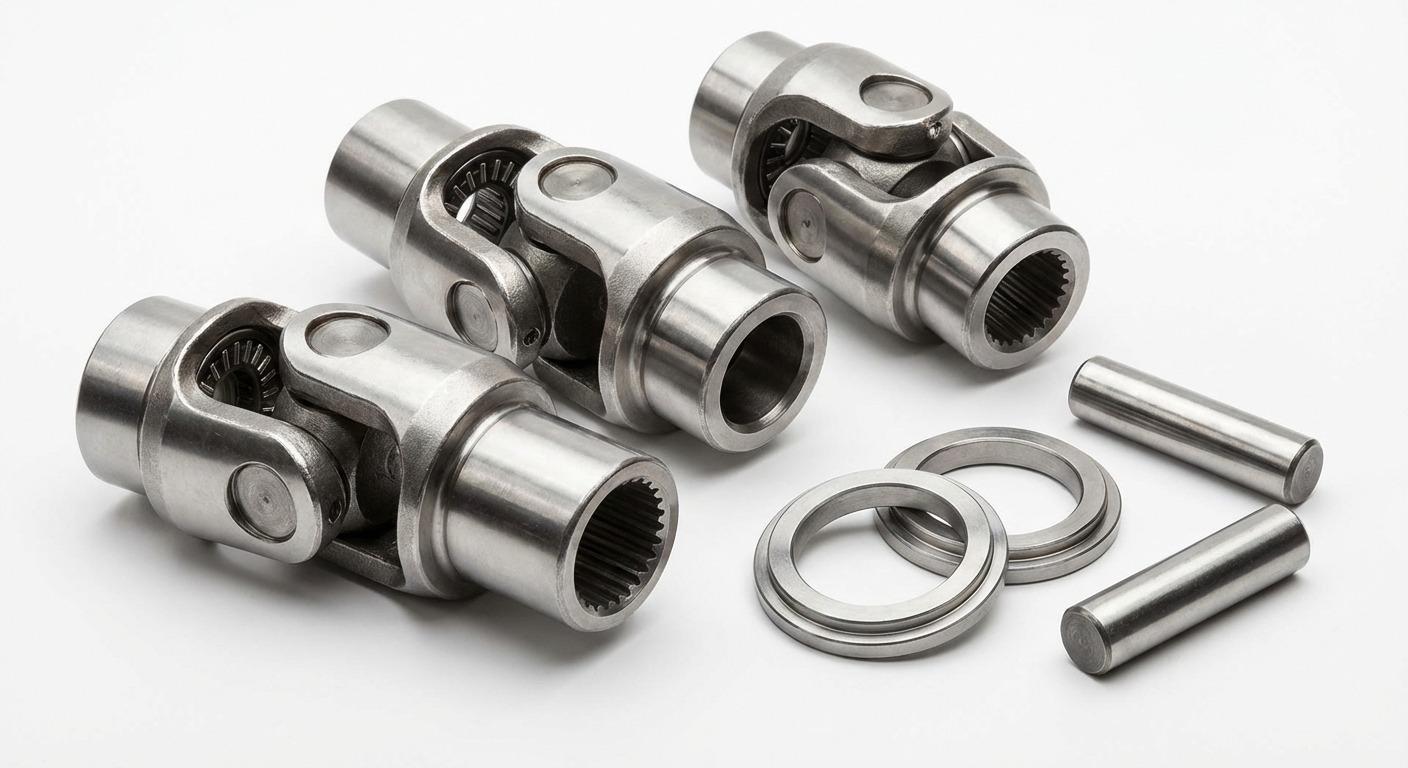
In the rapidly evolving world of automation, the mini universal joint for automation equipment stands out as a pivotal component that bridges the gap between precision and performance. This compact yet powerful device is engineered to transmit motion and torque between misaligned shafts, making it indispensable in robotics, CNC machines, and assembly lines. As industries push for higher efficiency and smaller footprints, understanding the role of the mini universal joint for automation equipment becomes crucial for engineers and manufacturers alike.
Key Features That Define Excellence
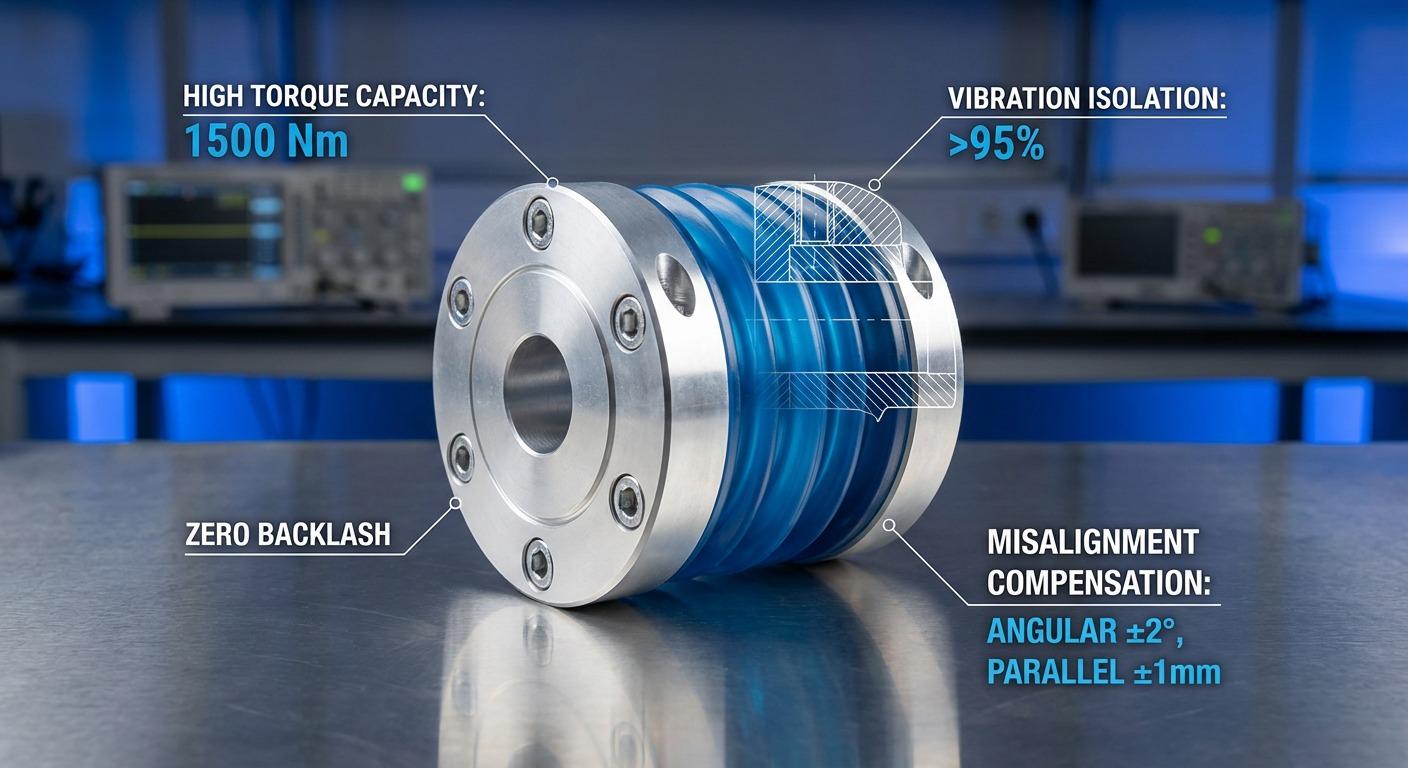
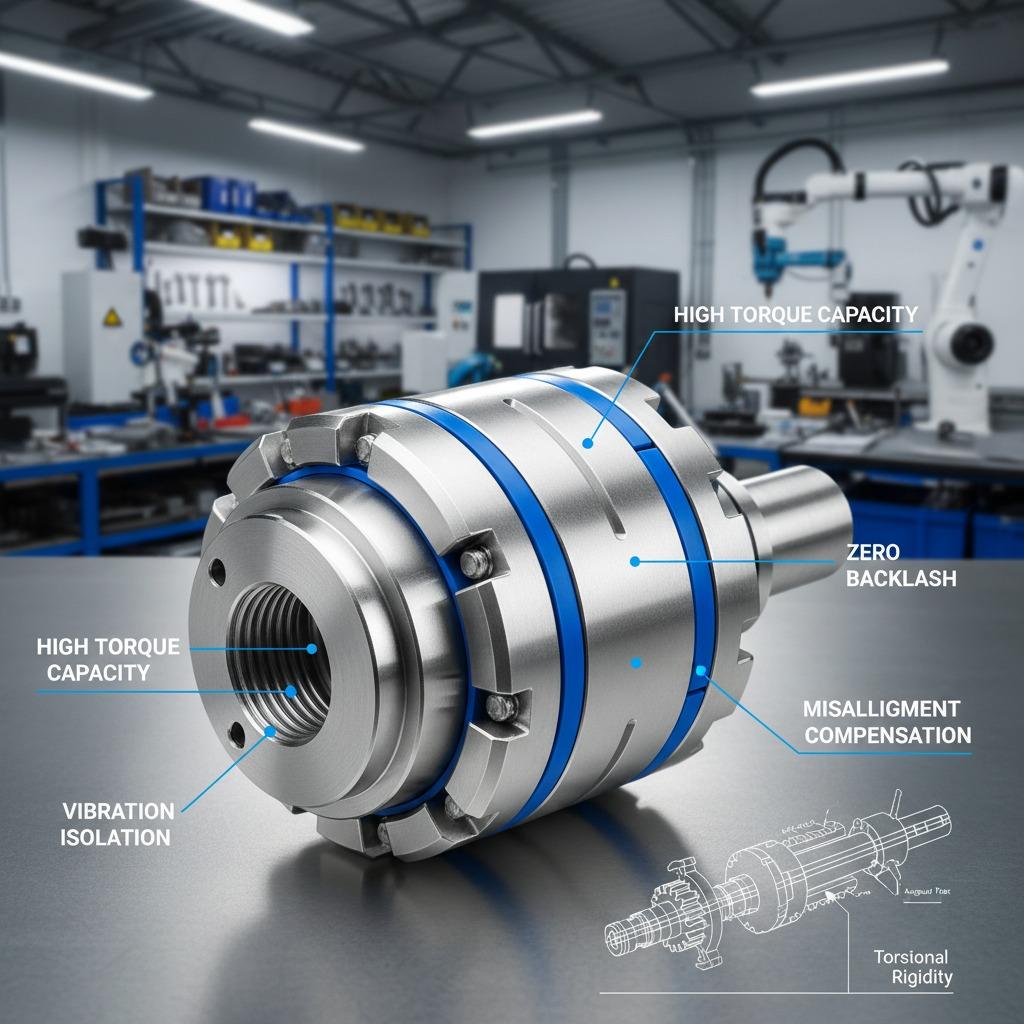
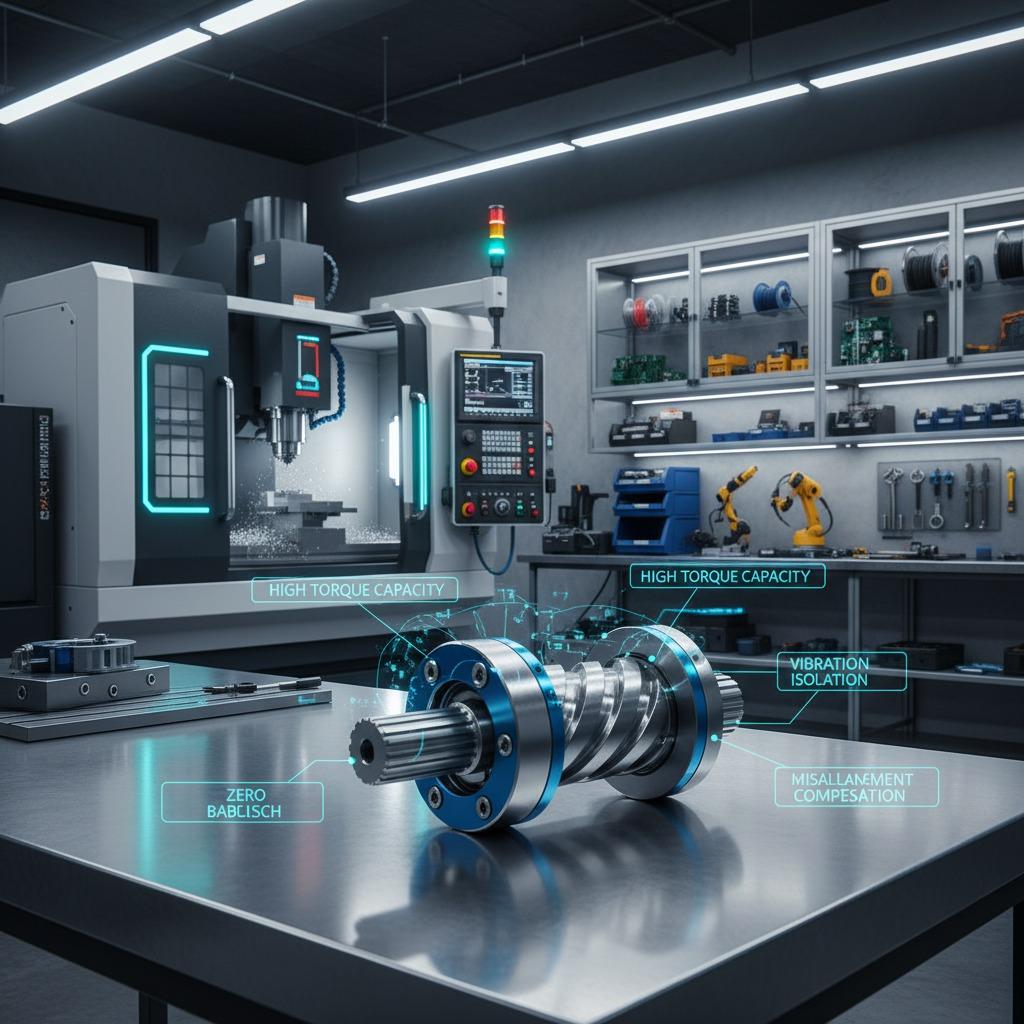
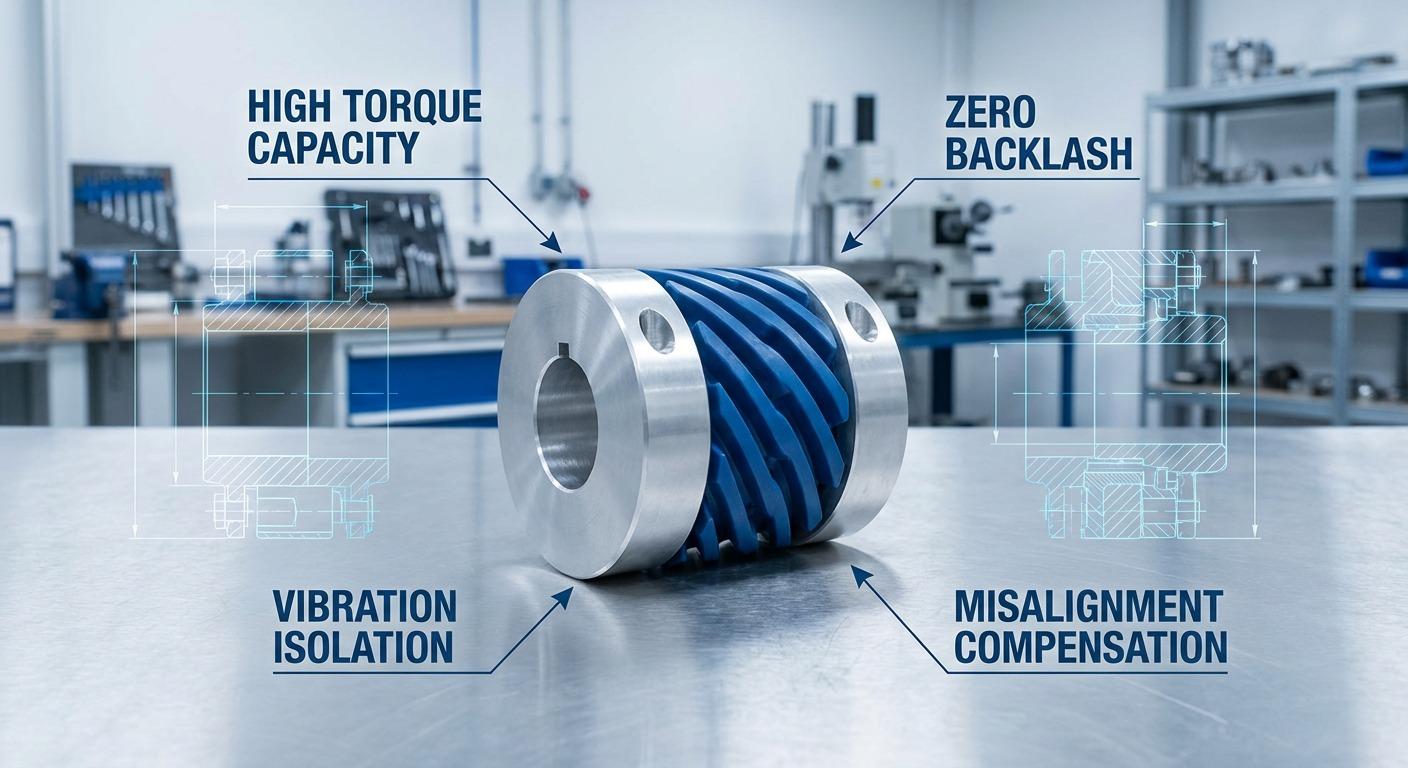
One of the standout attributes of the mini universal joint for automation equipment is its high torque capacity. Designed to withstand substantial loads without compromising integrity, this feature ensures that even in high-stress environments, the joint maintains seamless operation. Whether you're integrating it into a delicate robotic arm or a heavy-duty conveyor system, the ability to handle torque reliably translates to fewer breakdowns and extended equipment lifespan.
Zero backlash is another hallmark that elevates the mini universal joint for automation equipment above standard couplings. Backlash, or the slight play in mechanical connections, can lead to inaccuracies in positioning and timing, which are unacceptable in precision-driven automation. By eliminating this issue, the joint provides smooth, responsive motion that enhances the overall accuracy of automated processes, from pick-and-place operations to intricate welding tasks.
Vibration isolation further solidifies the mini universal joint for automation equipment's reputation for reliability. In bustling factory floors where machinery hums constantly, vibrations can propagate through systems, causing fatigue and misalignment over time. The advanced damping technology within this joint absorbs these disturbances, protecting connected components and ensuring consistent performance. This not only reduces maintenance needs but also contributes to a quieter, more stable operational environment.
Misalignment compensation is perhaps the most ingenious aspect of the mini universal joint for automation equipment. Real-world setups rarely achieve perfect alignment due to thermal expansions, installations variances, or dynamic movements. This joint's flexibility allows it to accommodate angular and parallel offsets, preventing stress concentrations that could lead to premature failure. As a result, automation systems remain efficient and durable, even under non-ideal conditions.
Applications in Modern Automation
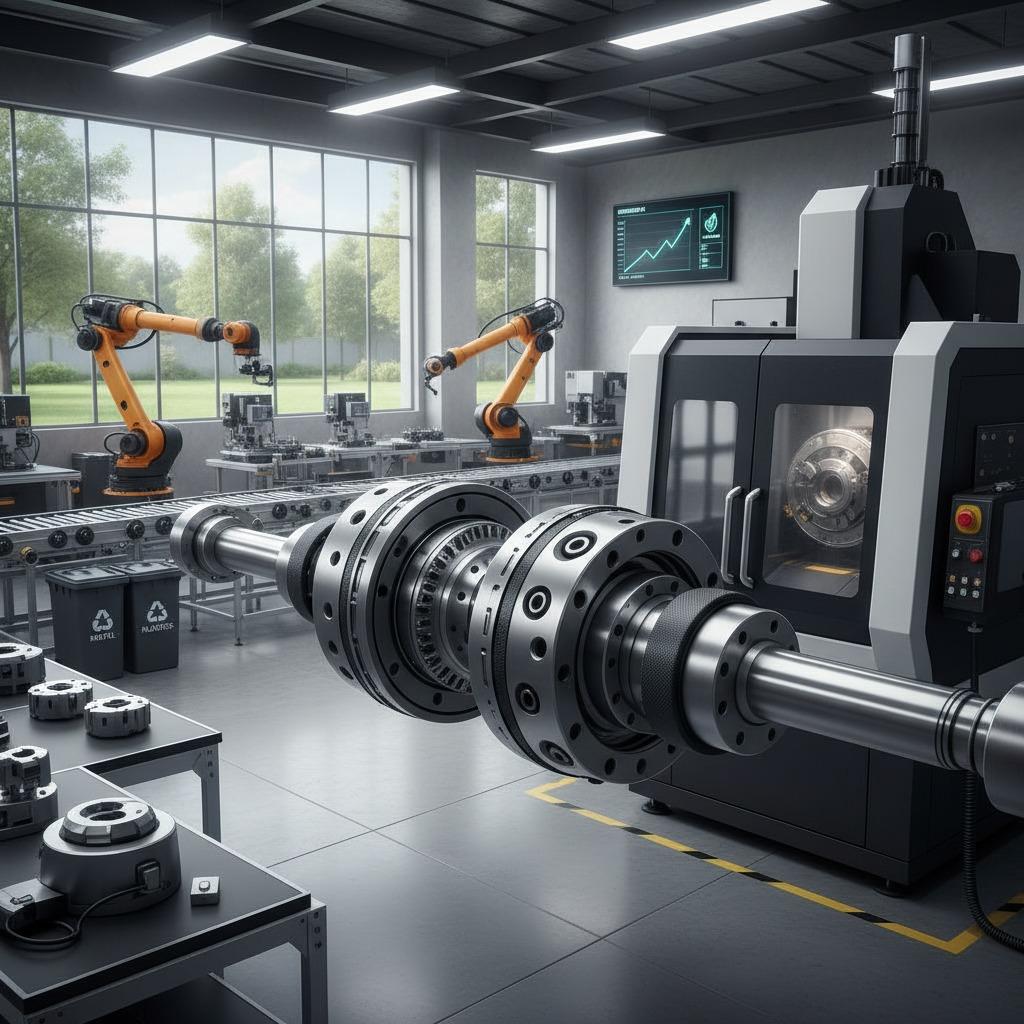
The mini universal joint for automation equipment finds its true calling in a variety of cutting-edge applications. In robotics, for instance, where space is at a premium and precision is paramount, this compact component enables fluid joint movements in multi-axis manipulators. Imagine a surgical robot performing delicate procedures; the joint's zero backlash ensures every motion is exact, minimizing risks and improving outcomes.
In CNC machinery, the mini universal joint for automation equipment plays a vital role in spindle connections and tool changers. Here, high torque capacity is essential to drive cutting tools through tough materials without slippage. Coupled with vibration isolation, it helps maintain surface finishes that meet stringent quality standards, reducing post-processing and waste.
Automated assembly lines benefit immensely from the misalignment compensation of the mini universal joint for automation equipment. As parts move along belts or through grippers, slight deviations are inevitable. This joint adapts effortlessly, keeping the synchronization intact and boosting throughput. Industries like electronics manufacturing, where tiny components demand flawless handling, rely on such reliability to stay competitive.
Beyond these, the mini universal joint for automation equipment is increasingly used in unmanned vehicles and drones for automation tasks. Its robust yet lightweight design supports agile movements while transmitting power efficiently from motors to wheels or propellers. In warehouse automation, it powers sorting mechanisms that operate around the clock, ensuring packages are routed accurately without interruption.
Why Choose This Advanced Coupling?
Selecting the right coupling can make or break an automation project, and the mini universal joint for automation equipment excels by combining durability with a modern, sleek design. Crafted from high-grade materials like stainless steel or advanced polymers, it resists corrosion and wear, even in harsh environments such as cleanrooms or outdoor installations. This longevity translates to cost savings over time, as replacement intervals are significantly extended.
Integration is straightforward, thanks to standardized mounting options and compact dimensions that fit into tight spaces. Engineers appreciate how the mini universal joint for automation equipment enhances system modularity, allowing for easy upgrades or reconfigurations without major overhauls. Moreover, its performance metrics—such as torque ratings up to several Nm and angular misalignments up to 30 degrees—meet or exceed industry benchmarks, making it a go-to choice for forward-thinking companies.
From a sustainability perspective, the reduced need for frequent maintenance and the efficiency gains from vibration damping contribute to lower energy consumption. In an era where green manufacturing is key, this joint supports eco-friendly practices by minimizing downtime and material waste.
Installation and Maintenance Best Practices
To maximize the benefits of the mini universal joint for automation equipment, proper installation is essential. Begin by aligning shafts as closely as possible, then secure the joint using torque specifications provided by the manufacturer. Lubrication, if required, should use compatible greases to ensure smooth operation without attracting contaminants.
Regular maintenance involves visual inspections for wear, particularly at the pivot points, and checking for any unusual noises or vibrations during operation. While the design minimizes backlash and isolates vibrations inherently, periodic calibration can preserve precision. For high-use scenarios, monitoring torque loads with integrated sensors can prevent overloads, extending the joint's service life.
In summary, the mini universal joint for automation equipment represents a leap forward in mechanical connectivity, offering unparalleled precision, durability, and versatility. As automation continues to permeate every sector, investing in such innovative components will drive productivity and innovation. Whether you're designing the next generation of smart factories or fine-tuning existing setups, this joint is poised to deliver results that exceed expectations. With its blend of high torque capacity, zero backlash, vibration isolation, and misalignment compensation, it's clear why it's becoming a staple in advanced engineering solutions.