
Understanding the Industrial Power Transmission Joint: A Key to Efficient Machinery
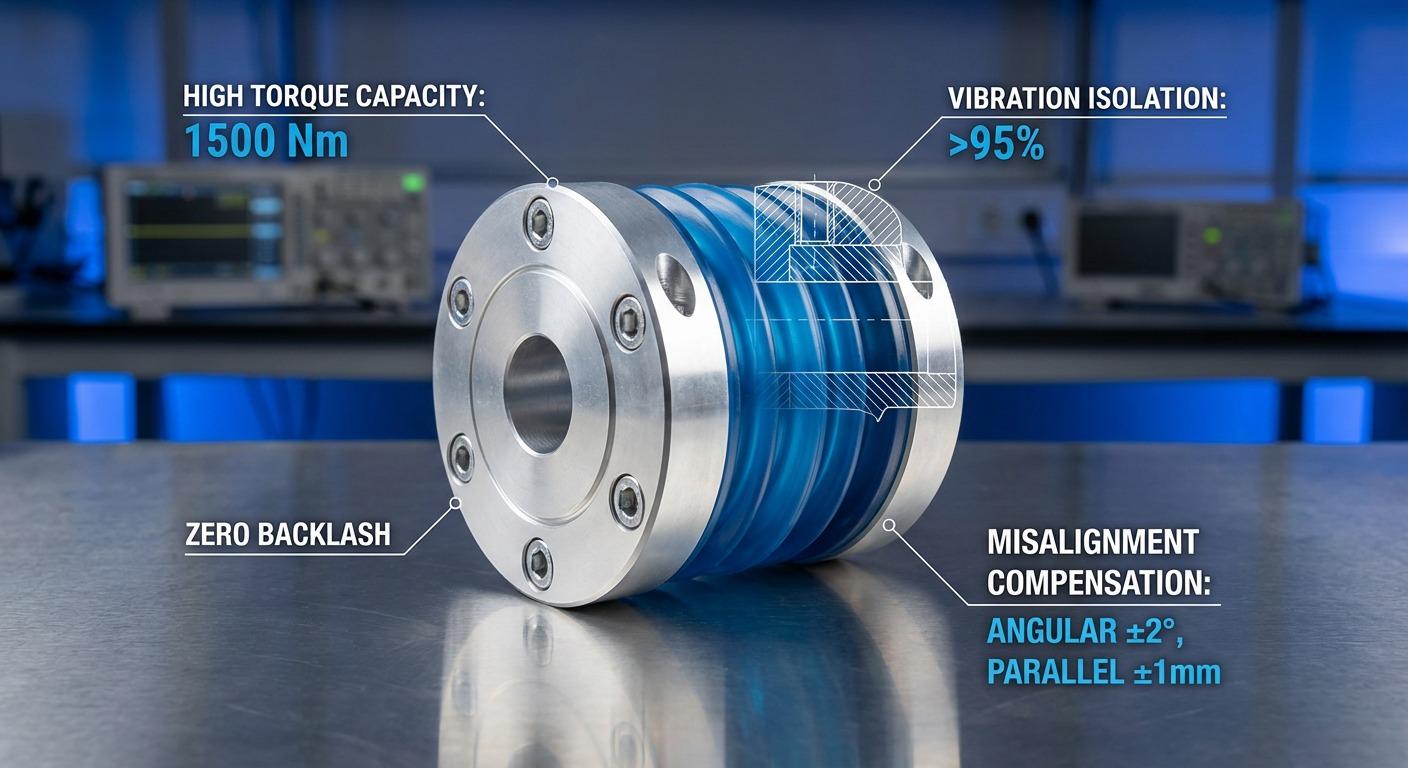
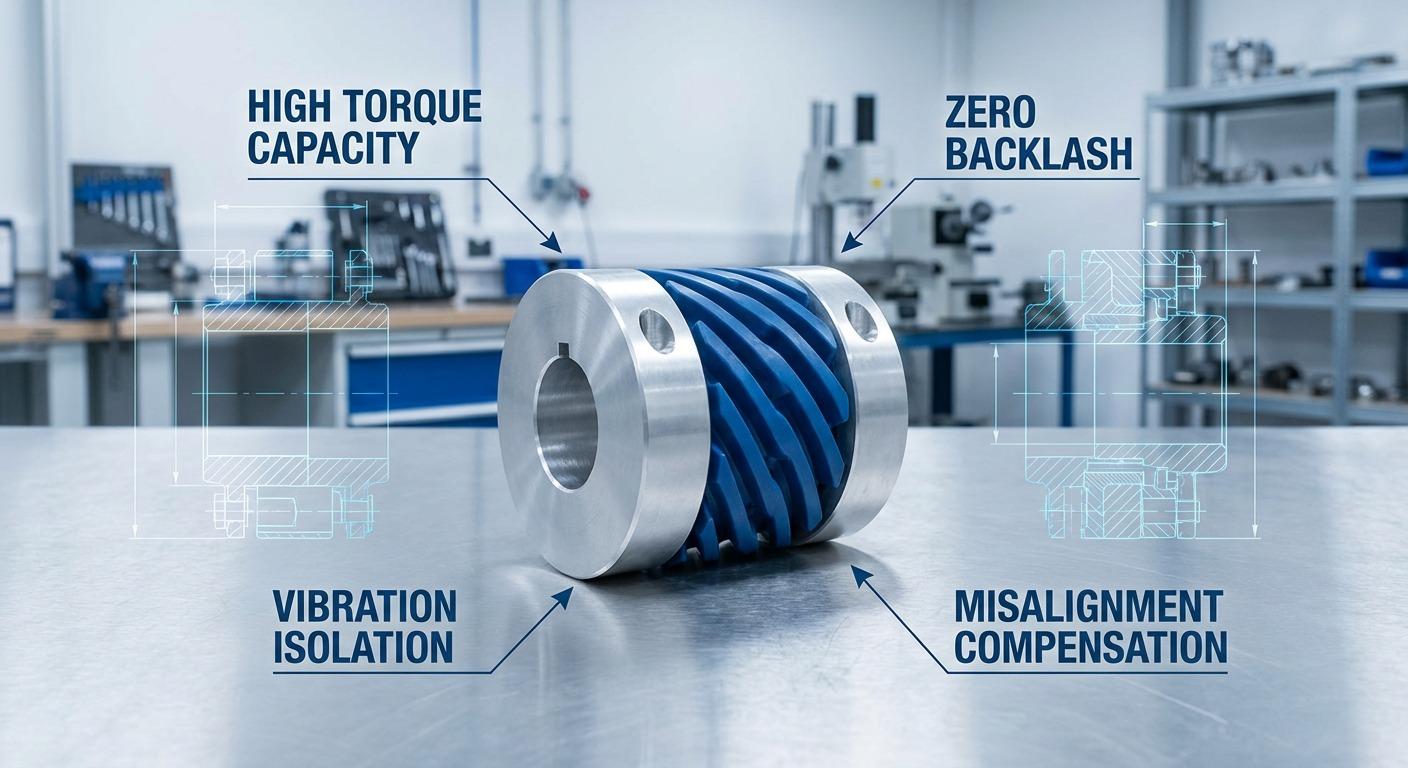
In the world of industrial machinery, the industrial power transmission joint stands out as a crucial component that ensures seamless power transfer between rotating shafts. This advanced flexible coupling is designed specifically for precision and performance, making it indispensable in demanding applications. With a high torque capacity of 1500 Nm, it handles heavy loads effortlessly, preventing breakdowns and extending equipment lifespan. Whether in manufacturing plants or heavy-duty production lines, integrating an industrial power transmission joint can significantly enhance operational efficiency and reliability.
Key Features That Set the Industrial Power Transmission Joint Apart
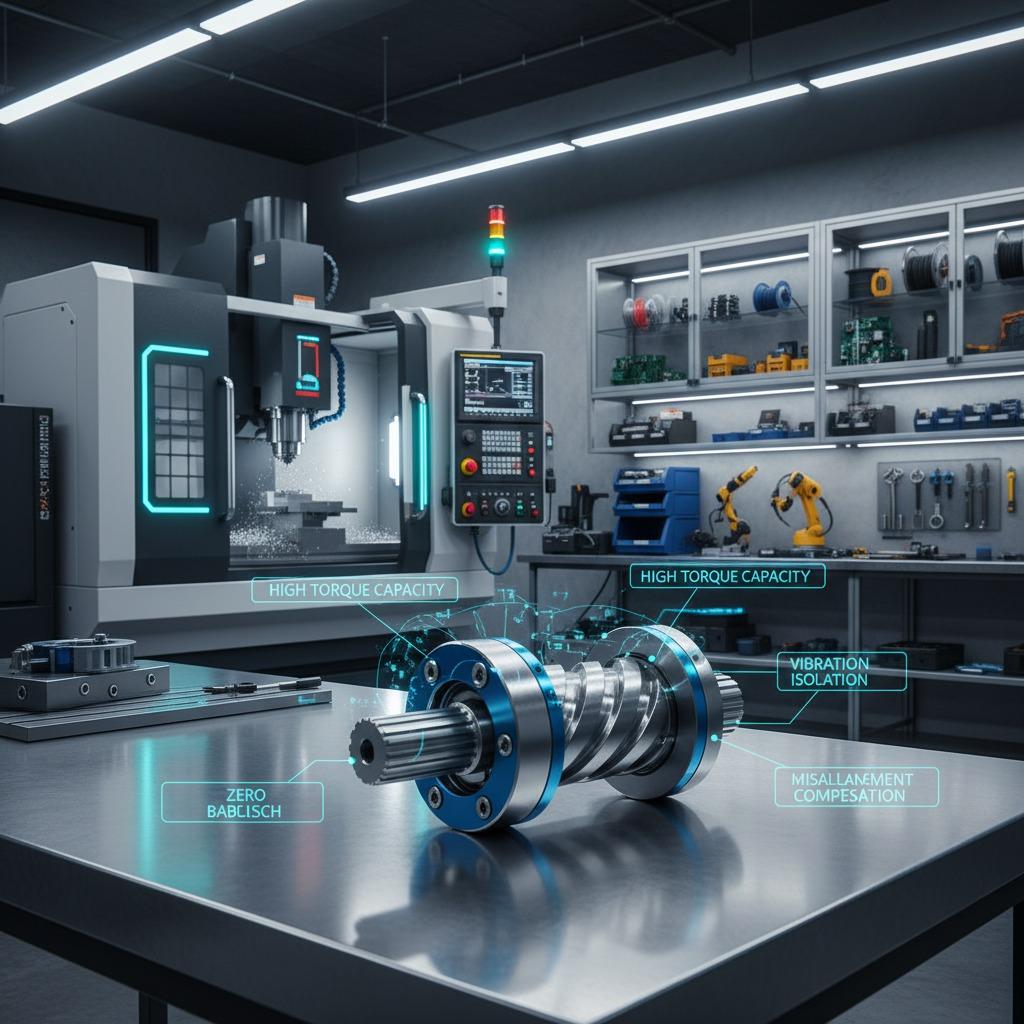
One of the standout features of the industrial power transmission joint is its exceptional vibration isolation, exceeding 95%. This capability minimizes vibrations that often lead to premature wear and noise in mechanical systems. By absorbing shocks and dampening unwanted oscillations, it protects connected components, resulting in smoother operations and lower maintenance costs. Additionally, the zero backlash design ensures precise motion control, which is vital for applications requiring exact synchronization, such as robotics or CNC machines.
The adaptability of this industrial power transmission joint further enhances its value. It compensates for misalignments with angular adjustments up to ±2° and parallel offsets of ±1mm. This flexibility allows installation in environments where perfect shaft alignment is challenging, reducing setup time and potential errors. Engineered with durable materials, it withstands harsh industrial conditions, including high temperatures and corrosive elements, making it a reliable choice for long-term use.
Applications and Benefits in Modern Industry
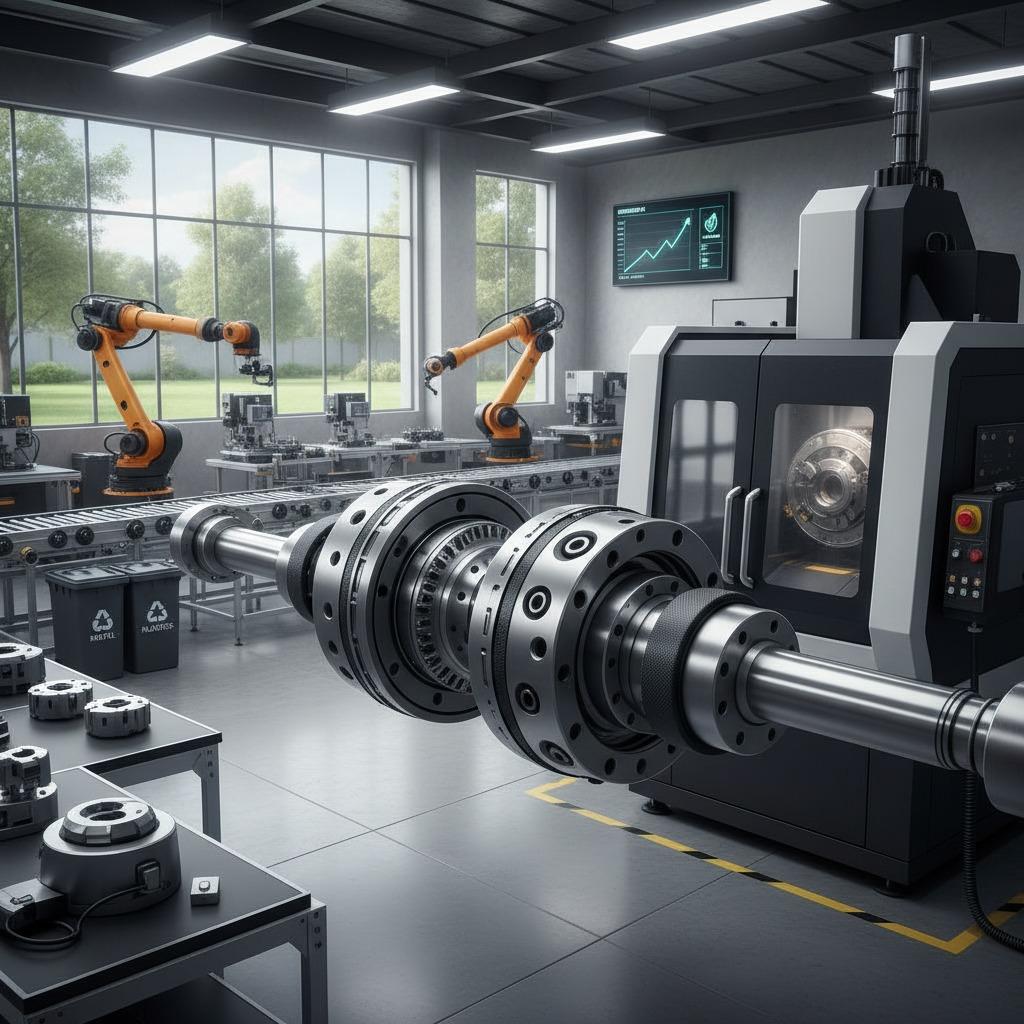
The industrial power transmission joint finds applications across a broad spectrum of industries, from automotive assembly to aerospace manufacturing. In conveyor systems, it facilitates consistent power delivery, preventing slippage and ensuring continuous material flow. For pumps and compressors, its high torque handling prevents overload failures, maintaining productivity during peak operations. The precision it offers is particularly beneficial in automation sectors, where even minor deviations can lead to significant quality issues.
Beyond performance, the economic advantages of incorporating an industrial power transmission joint are clear. Reduced downtime from its robust design translates to higher throughput and cost savings. The vibration isolation not only extends the life of bearings and seals but also improves worker safety by lowering noise levels. Companies adopting this technology often report enhanced overall system efficiency, with some seeing up to 20% improvements in energy usage due to minimized frictional losses.
Installation and Maintenance Tips for Optimal Performance
Proper installation is key to maximizing the benefits of the industrial power transmission joint. Begin by thoroughly inspecting shafts for any deformities and ensuring they meet the coupling's specifications. Align the shafts as closely as possible before securing the joint, using laser alignment tools for accuracy. Torque the fasteners to the manufacturer's recommended values to avoid uneven stress distribution. Once installed, regular inspections should focus on signs of wear, such as unusual vibrations or temperature rises, which could indicate misalignment or lubricant degradation.
Maintenance routines for the industrial power transmission joint are straightforward, promoting longevity. Periodic lubrication, if applicable, keeps moving parts friction-free, while cleaning removes debris that could compromise performance. Monitoring torque levels during operation ensures the system stays within safe parameters. By following these practices, users can expect the joint to perform reliably for thousands of hours, far outpacing traditional rigid couplings.
Why Choose This Industrial Power Transmission Joint for Your Operations
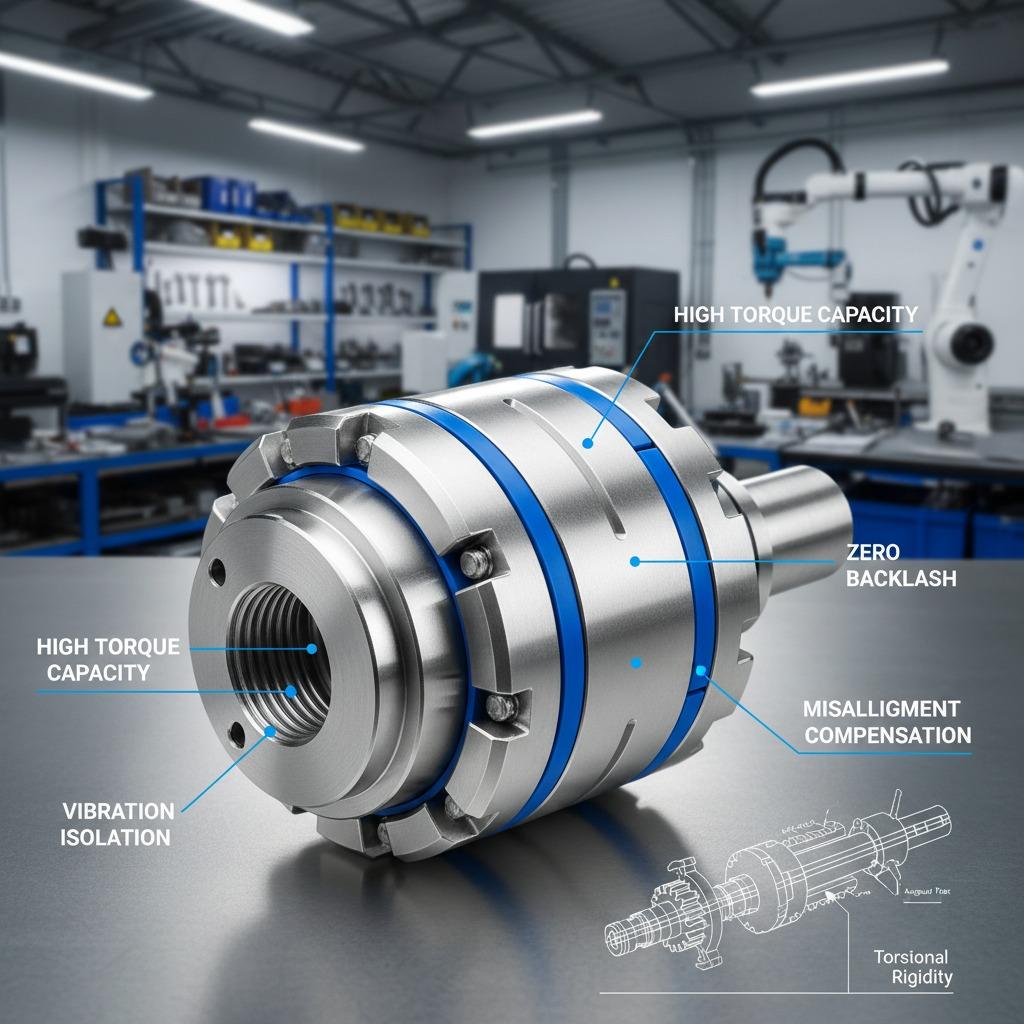
Selecting the right industrial power transmission joint can transform your machinery's reliability and output. This coupling's combination of high torque capacity, zero backlash, and misalignment tolerance makes it superior to conventional options. It's not just about connecting shafts; it's about building a resilient system that supports your production goals. Industries pushing for innovation and efficiency will find this component aligns perfectly with their needs, offering a balance of performance and durability.
In summary, the industrial power transmission joint represents a pinnacle in coupling technology, engineered for the rigors of modern industry. Its ability to isolate vibrations, handle substantial torque, and adapt to imperfect alignments ensures it meets the demands of diverse applications. By investing in this flexible solution, businesses can achieve greater precision, reduce operational risks, and drive sustainable growth. As machinery evolves, components like this industrial power transmission joint will continue to play a pivotal role in powering the future of manufacturing.