
Industrial Flexible Grid Coupling Manufacturer: Strength and Flexibility in Power Transmission
In high-demand industrial environments, power transmission systems must handle sudden torque spikes, misalignment, and vibration without compromising performance.
A flexible grid coupling bridges this challenge — balancing rigidity for torque transfer and elasticity for vibration control.
As an experienced industrial flexible grid coupling manufacturer, Dingjian develops couplings that improve reliability and reduce downtime across metallurgy, mining, and heavy machinery industries.
How Flexible Grid Couplings Work
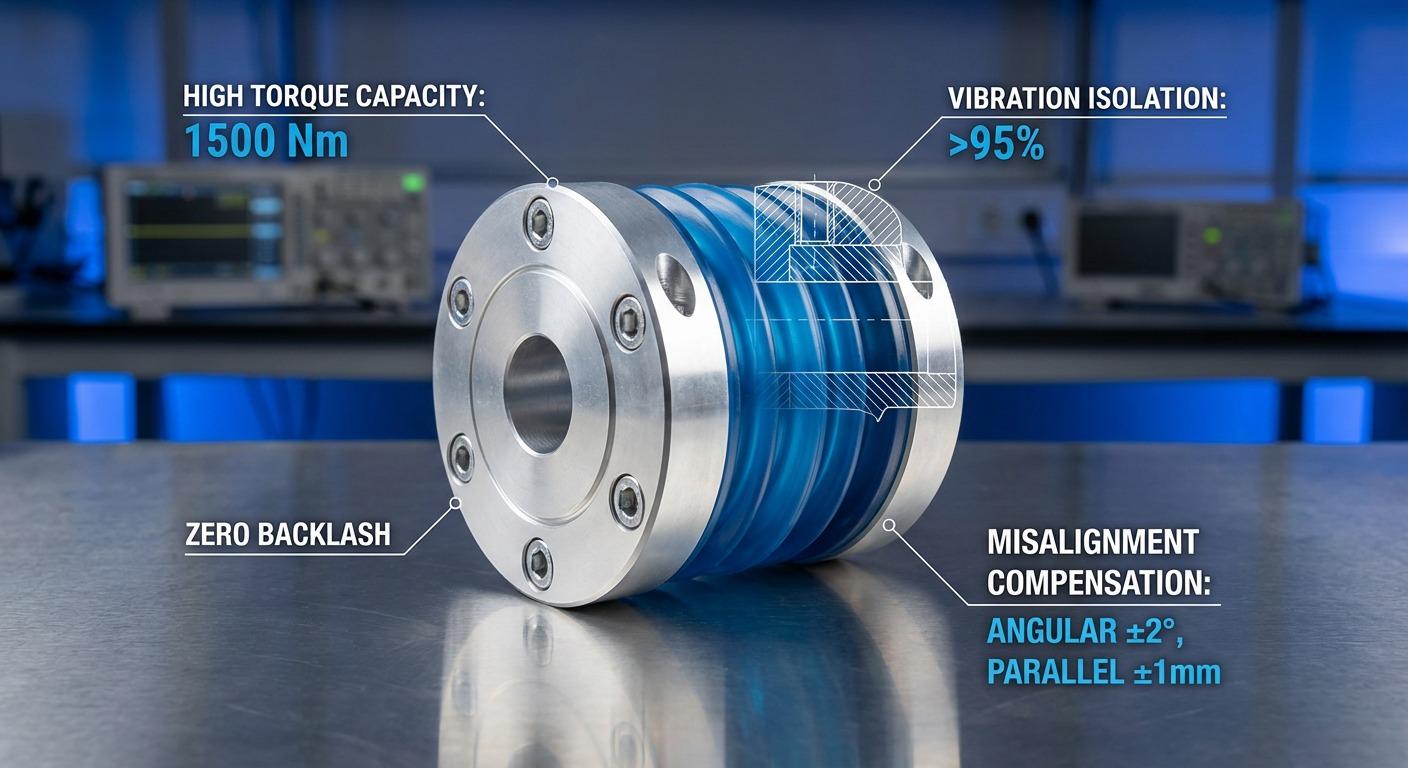
Flexible grid couplings transmit torque through a flexible steel grid that interlocks between two flanged hubs.
When shock or misalignment occurs, the grid deforms slightly, distributing the load evenly.
Key Mechanisms:
-
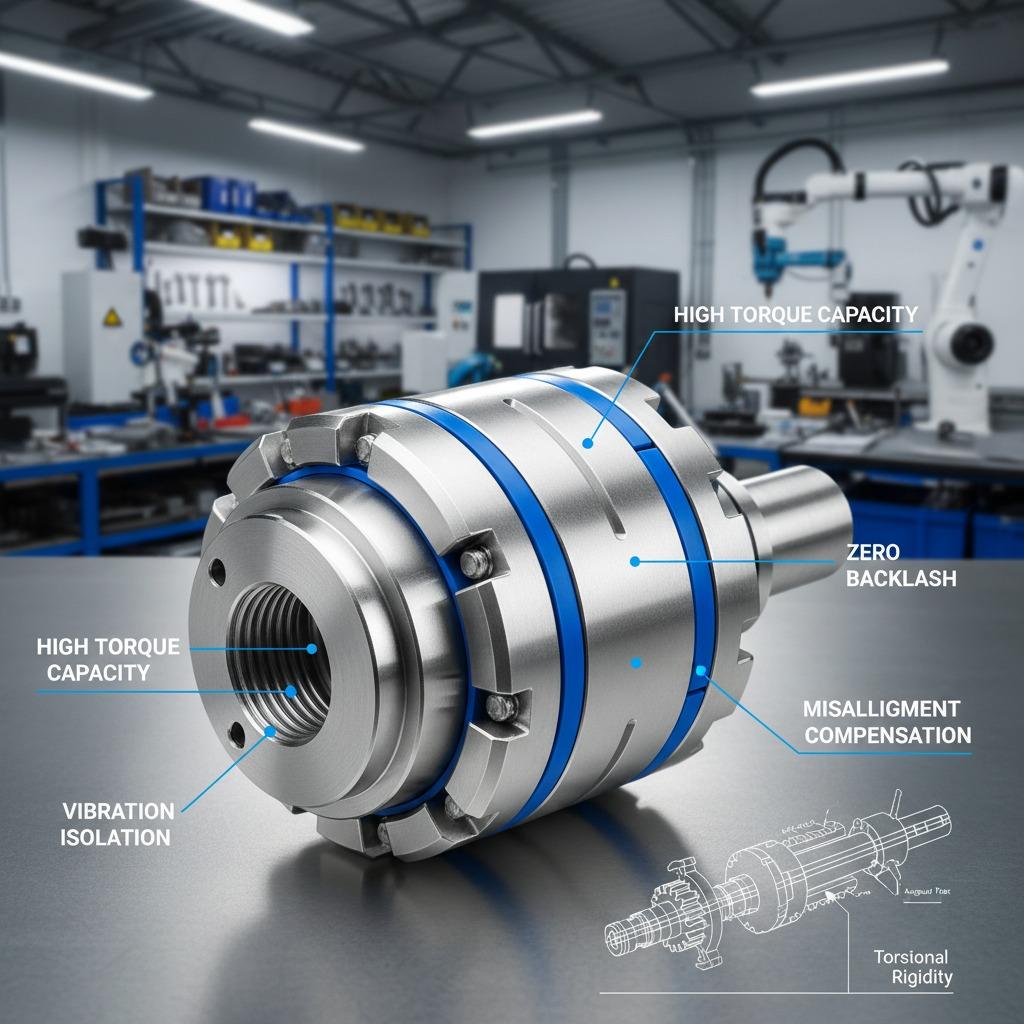
Elastic torque transmission: maintains constant rotation even under impact loads.
-
Vibration absorption: reduces resonance between driving and driven shafts.
-
Self-aligning capability: accommodates small angular or parallel misalignments.
-
Energy efficiency: minimizes torque loss through controlled flexibility.
These properties make them ideal for equipment that operates under fluctuating torque, such as conveyors, rolling mills, and cranes.
Traditional Rigid Coupling vs. Flexible Grid Coupling
| Parameter | Rigid Coupling | Flexible Grid Coupling |
|---|---|---|
| Torque Capacity | High but brittle under impact | High with elasticity and shock resistance |
| Misalignment Handling | Poor | Excellent for angular/parallel offset |
| Vibration Damping | None | Built-in damping through grid deformation |
| Maintenance | Frequent | Low, grease-lubricated grid insert |
| Equipment Life | Shorter | Longer due to reduced mechanical stress |
Compared with rigid designs, Dingjian’s industrial flexible grid couplings provide superior adaptability and extended component lifespan, especially for equipment exposed to shock loads or varying speeds.
Engineering Solutions for Heavy-Duty Operations
To meet diverse industrial requirements, Dingjian engineers each grid coupling with customized materials and design geometry.
Key Engineering Features:
-
High-strength spring steel grids treated for fatigue resistance.
-
Precision-machined hub surfaces for alignment accuracy.
-
Lubrication chamber design to maintain consistent damping performance.
-
Dynamic balancing for rotational stability in high-speed machinery.
-
Surface coatings (zinc or phosphate) for corrosion protection.
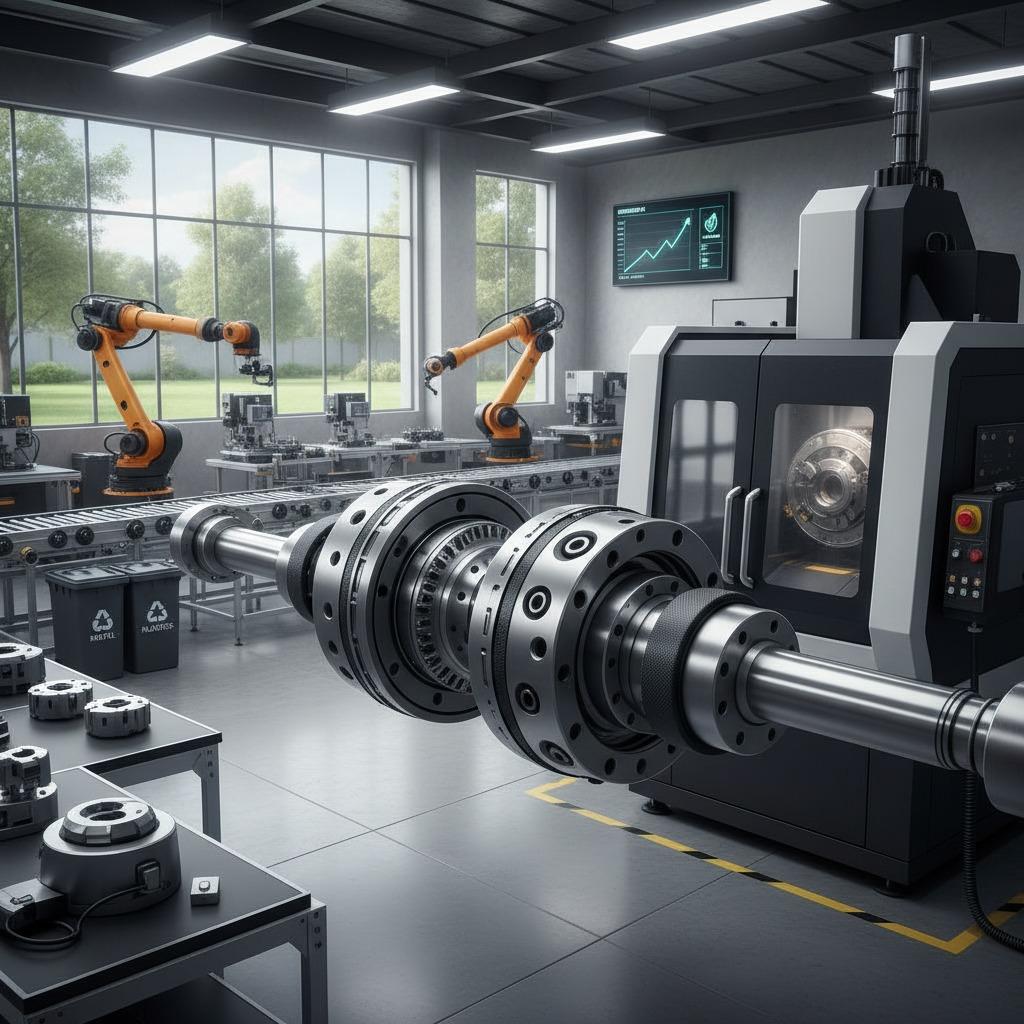
This engineered approach ensures reliability in continuous-duty applications such as rolling lines, hoisting systems, and material conveyors.
Application Scenarios in Industrial Environments
| Industry | Typical Equipment | Function of Coupling |
|---|---|---|
| Metallurgy | Rolling mills, gearboxes | Absorbs torque shocks and heat stress |
| Mining | Crushers, conveyors | Maintains torque stability in dust-heavy environments |
| Power Generation | Pumps, compressors | Reduces vibration, improves motor longevity |
| Cement Industry | Mixers, kilns | Handles large misalignments with minimal wear |
| Material Handling | Cranes, hoists | Ensures smooth and controlled lifting |
These examples show how flexibility and endurance make grid couplings an essential part of modern mechanical drive systems.
Selecting the Right Coupling for Your Equipment
| Working Condition | Recommended Type | Key Advantage |
|---|---|---|
| High Shock Load Machinery | Heavy-duty flexible grid type | High torque and fatigue resistance |
| Continuous Operation Systems | Lubricated grid model | Extended maintenance interval |
| Limited Installation Space | Compact split-cover design | Easy assembly and replacement |
| Outdoor or Corrosive Environments | Coated hub with sealed grid | Rust resistance and protection |
When choosing a coupling, engineers should evaluate torque requirements, alignment tolerance, and operational temperature. Dingjian provides consultation to help clients optimize these parameters for each project.
Frequently Asked Questions
Q1: How often should flexible grid couplings be maintained?
A1: Lubrication every 3,000–5,000 operating hours ensures consistent damping and long lifespan.
Q2: Are grid couplings suitable for reversing or variable-speed drives?
A2: Yes, their symmetric design allows bidirectional torque and stable response at variable speeds.
Q3: Can flexible grid couplings replace jaw or gear couplings?
A3: In many cases, yes — they offer better vibration control and lower noise under dynamic torque.
Q4: Does Dingjian support OEM customization?
A4: Absolutely. Custom bore sizes, hub designs, and surface finishes are available to meet OEM requirements.
Reliable Torque Solutions for Industrial Power Systems
By combining precision machining with elastic torque design, Dingjian delivers industrial flexible grid couplings that enable smooth, shock-free torque transmission in the toughest industrial conditions.
From metallurgy plants to power stations, every coupling reflects a balance between strength, durability, and adaptability.
To explore customized solutions, visit the official homepage or reach out via the contact page for professional support.