
Understanding the Heavy Duty Universal Joint: A Cornerstone of Reliable Power Transmission
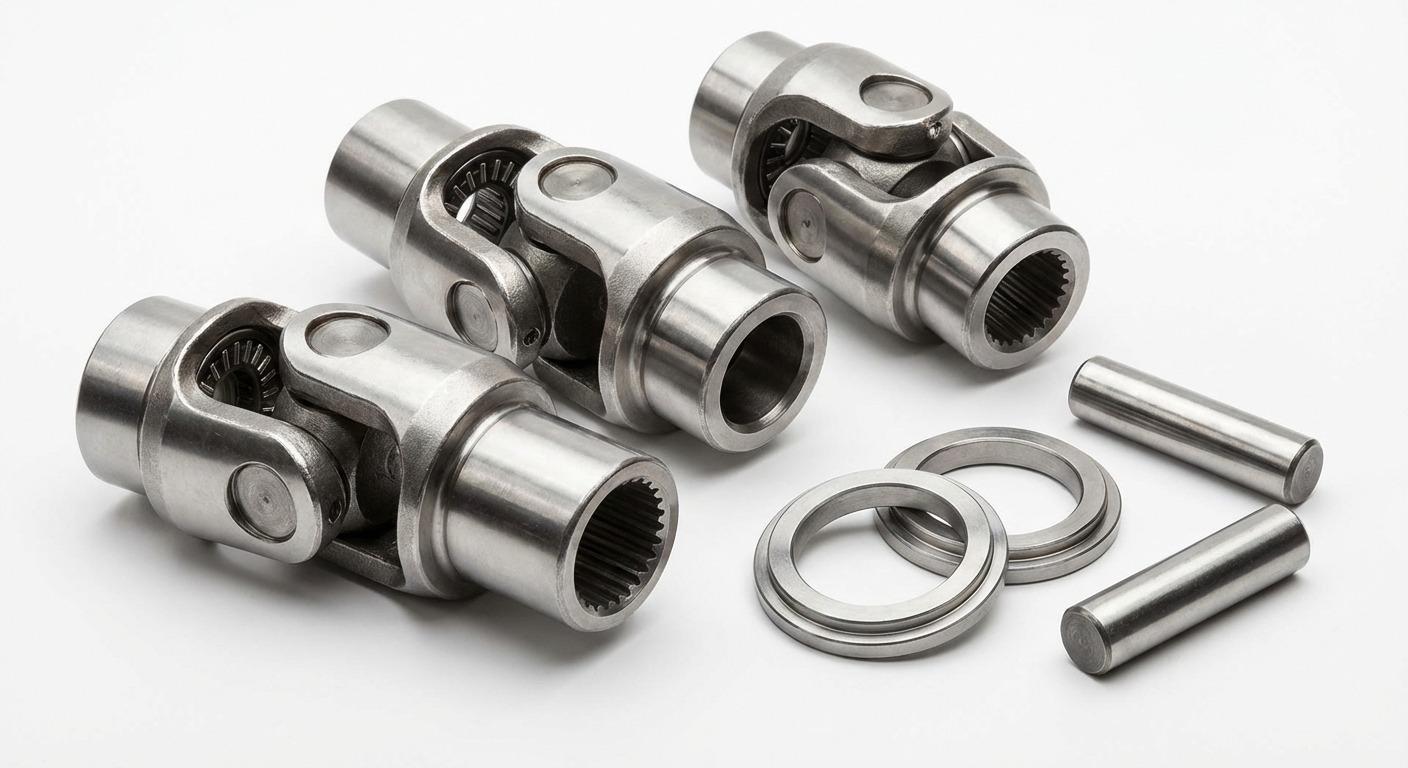
In the world of mechanical engineering, the heavy duty universal joint stands out as a vital component for ensuring seamless power transfer in challenging environments. This robust device, often referred to as a U-joint, connects rotating shafts while accommodating misalignment, making it indispensable in heavy machinery and industrial applications. Whether you're dealing with agricultural equipment, automotive drivetrains, or industrial conveyors, a high-quality heavy duty universal joint can significantly enhance performance and longevity.
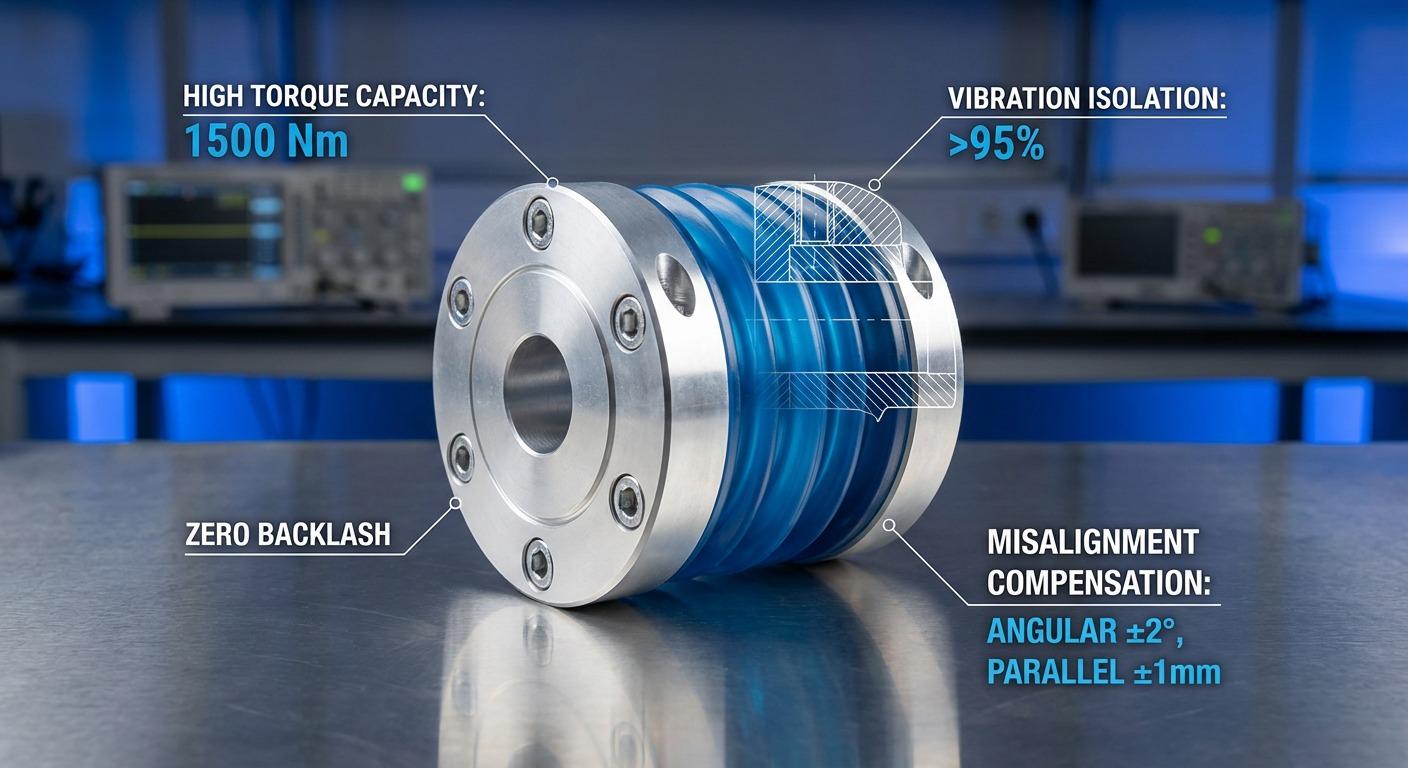
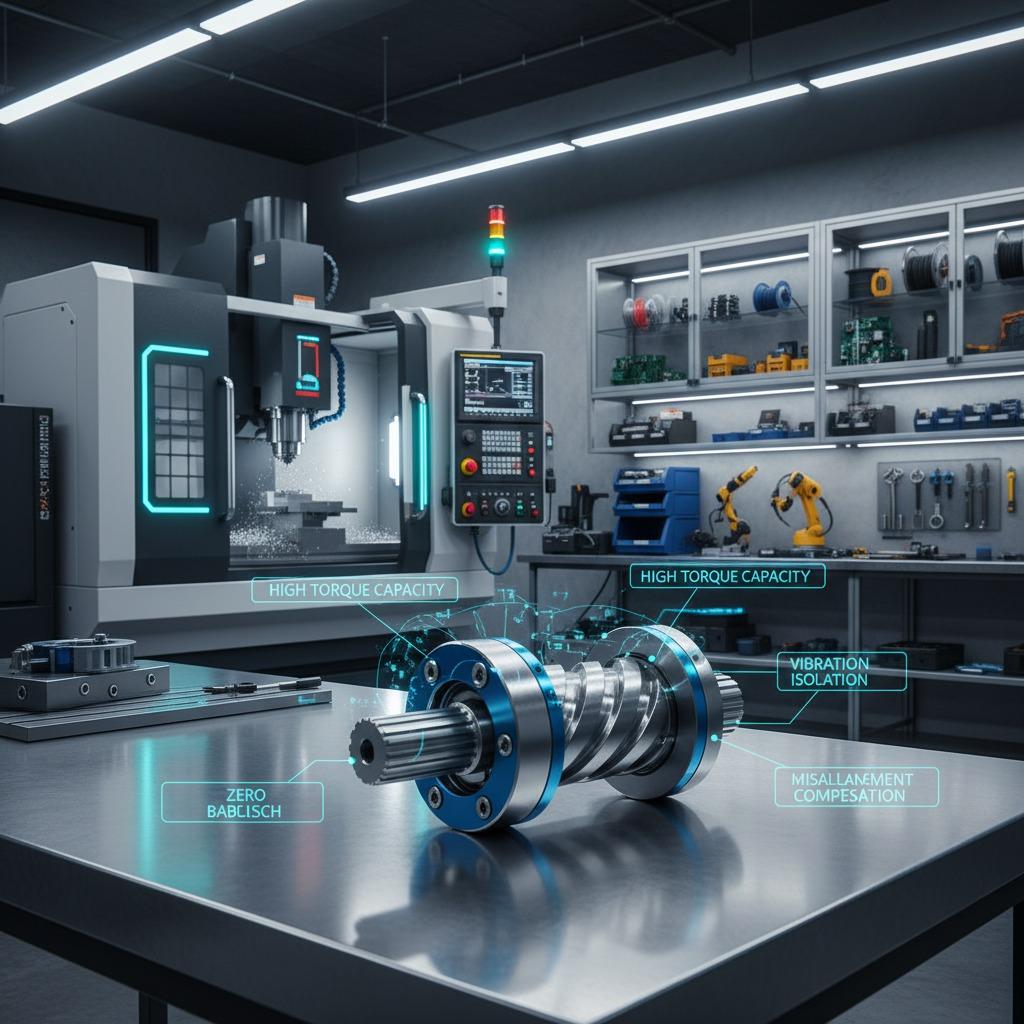
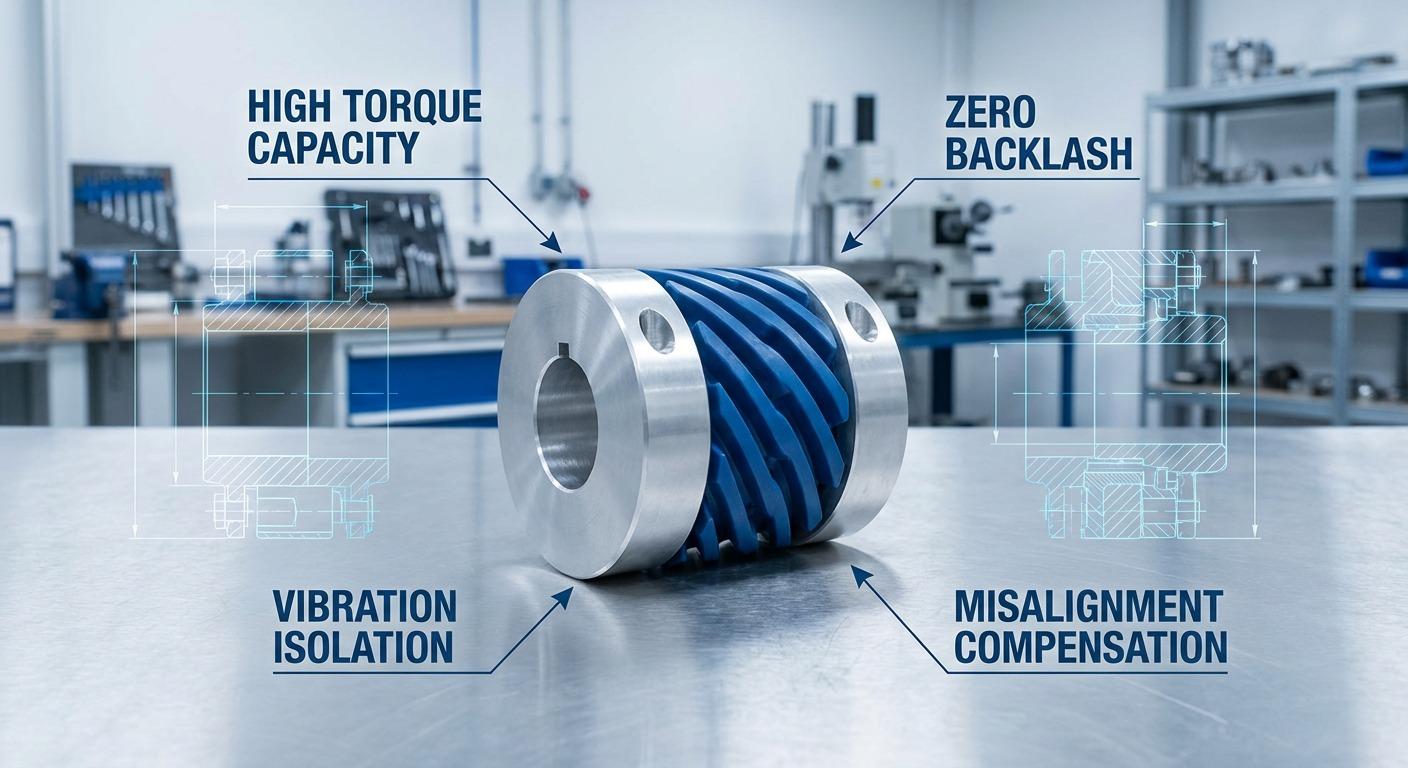
Our advanced mechanical coupling exemplifies the pinnacle of this technology. With a high torque capacity of 1500 Nm, it handles the intense demands of heavy loads without faltering. This makes it an ideal choice for operations where reliability is non-negotiable, preventing costly downtimes and maintaining productivity.
Key Features That Set Our Heavy Duty Universal Joint Apart
One of the standout attributes of our heavy duty universal joint is its exceptional vibration isolation, surpassing 95% effectiveness. Vibrations can wreak havoc on machinery, leading to premature wear and noise issues. By minimizing these disruptions, our coupling ensures smoother operations, quieter environments, and extended equipment life. Imagine running a factory line without the constant hum of vibrations— that's the peace of mind our product delivers.
Zero backlash is another critical feature. In precision-driven tasks, even the slightest play can lead to inaccuracies. Our heavy duty universal joint eliminates this, offering immediate response and exact control. This is particularly beneficial in robotics, CNC machines, and any setup where positional accuracy is paramount.
Superior Misalignment Compensation for Versatile Applications
Flexibility in design is what truly elevates our heavy duty universal joint. It accommodates angular misalignments up to ±2° and parallel misalignments up to ±1mm, allowing for easier installation in non-ideal setups. This compensation reduces stress on connected components, preventing failures and extending the overall system's durability. In real-world scenarios, such as off-road vehicles or heavy construction equipment, where perfect alignment is rare, this feature proves invaluable.
Engineers and maintenance professionals appreciate how this adaptability simplifies retrofitting and upgrades. No longer do you need to overhaul entire assemblies to achieve proper alignment; our coupling absorbs the imperfections, keeping everything running efficiently.
Applications and Benefits Across Industries
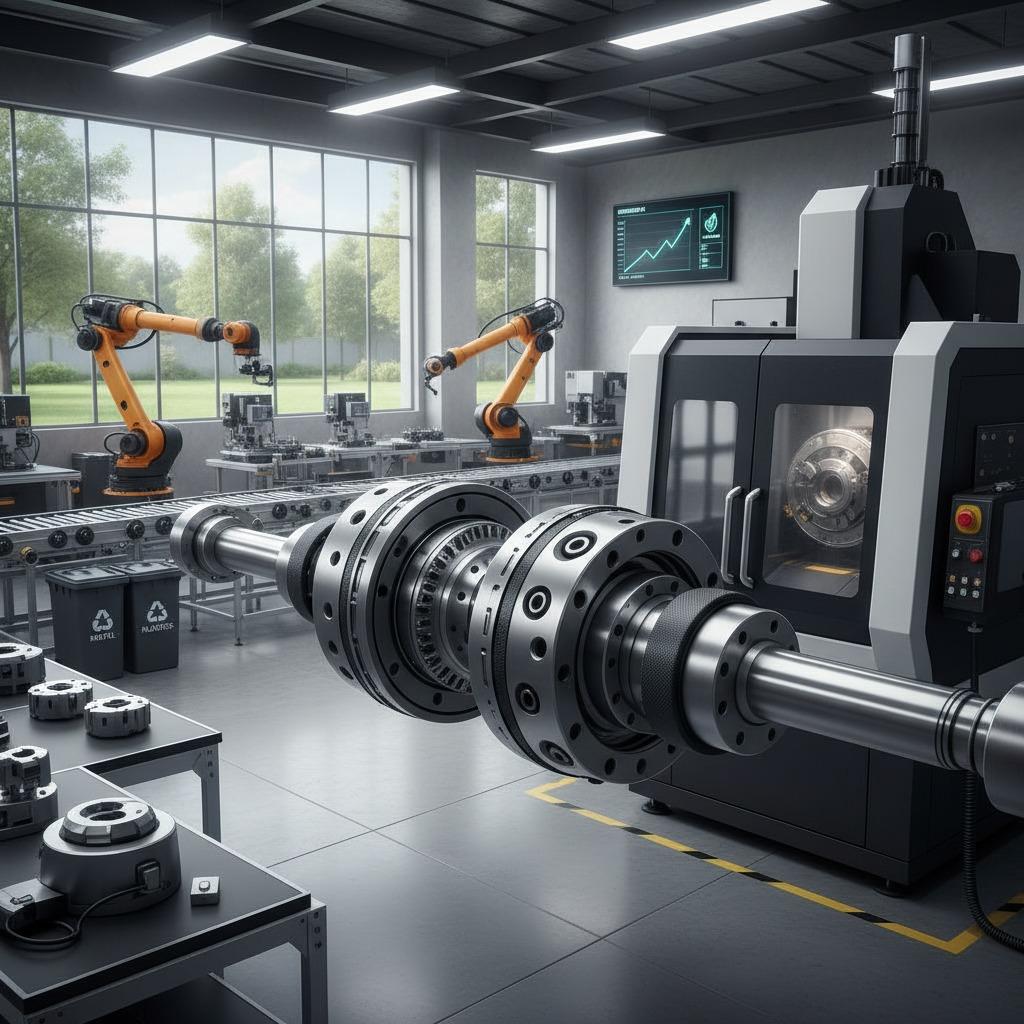
The versatility of the heavy duty universal joint extends to a wide array of industries. In the automotive sector, it powers drivelines in trucks and heavy vehicles, ensuring torque is transmitted effectively even under rugged conditions. Agricultural machinery benefits from its resilience, plowing through tough terrains without power loss. In manufacturing, it's a go-to for conveyor systems and pumps, where consistent power delivery is essential.
Beyond these, marine applications find our coupling reliable for propeller shafts, handling the corrosive environment while maintaining performance. The benefits are clear: reduced maintenance costs, improved energy efficiency, and heightened safety. By integrating this component, businesses can optimize their operations and focus on growth rather than repairs.
Why Choose Our Advanced Heavy Duty Universal Joint?
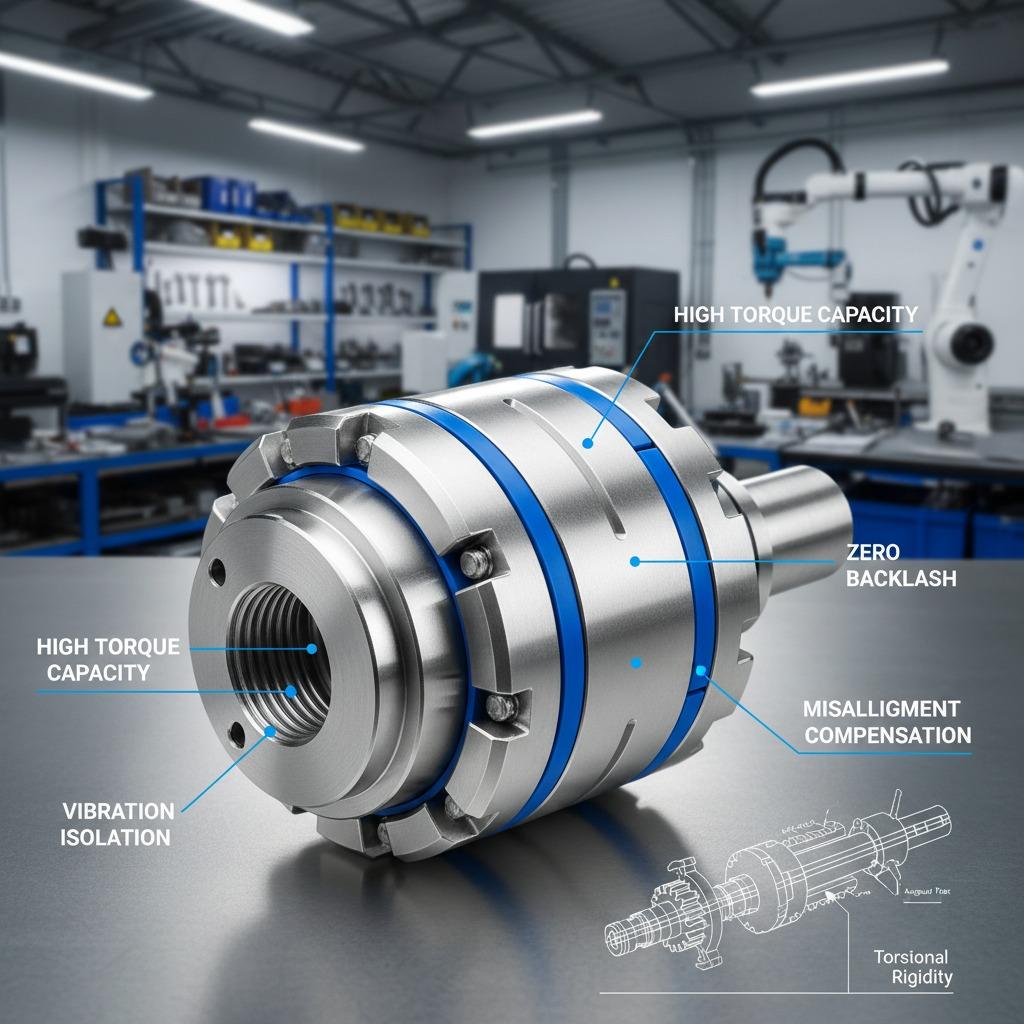
What makes our heavy duty universal joint a superior choice? It's the combination of high torque handling, vibration dampening, zero backlash, and misalignment tolerance that sets it apart from standard options. Crafted with precision engineering, it undergoes rigorous testing to meet international standards, ensuring you get a product that's not just functional but exceptional.
Consider the long-term savings: fewer replacements, lower energy consumption due to efficient power transfer, and minimal downtime. For companies aiming to stay competitive, investing in such advanced technology is a strategic move. Our coupling isn't merely a part; it's a enhancement to your entire mechanical ecosystem.
Installation and Maintenance Tips for Optimal Performance
To maximize the potential of your heavy duty universal joint, proper installation is key. Begin by aligning the shafts as closely as possible within the compensation limits, using torque wrenches to secure connections without over-tightening. Lubrication plays a crucial role—opt for high-quality greases compatible with the operating environment to reduce friction and wear.
Regular maintenance involves inspecting for signs of wear, such as unusual noises or vibrations, and cleaning debris that could impede movement. With its design, our coupling requires less frequent servicing compared to traditional joints, but routine checks every 500 hours of operation are recommended for heavy use.
By following these practices, you ensure the heavy duty universal joint performs at its best, contributing to a safer and more efficient workspace. It's this attention to detail that transforms a good component into a great one.
The Future of Power Transmission with Heavy Duty Universal Joints
As industries evolve towards smarter, more sustainable practices, the role of the heavy duty universal joint continues to grow. Innovations in materials, like advanced alloys and composites, promise even greater durability and lighter weights. Our commitment to research ensures our products stay ahead, incorporating feedback from field experts to refine designs.
Looking forward, integrating sensors for real-time monitoring could revolutionize predictive maintenance, preventing issues before they arise. For now, our current offering provides a solid foundation for these advancements, delivering proven reliability in today's demanding applications.
In summary, the heavy duty universal joint is more than a connector—it's a gateway to enhanced performance and efficiency. By choosing our advanced model, you're investing in quality that drives success across mechanical engineering landscapes.