
Durability in Motion: How a Grid Coupling Supplier Powers Heavy Industrial Machinery
In metallurgy, mining, and transport industries, machinery must handle massive torque, shock loads, and constant operation.
Under such demanding conditions, one key component ensures continuous power transmission—the grid coupling.
As a professional grid coupling supplier, Dingjian provides solutions that absorb vibration, protect shafts, and extend the lifespan of heavy mechanical systems. These couplings keep mills, cranes, and conveyors running with stable performance, even under harsh environments.
How Grid Couplings Absorb Impact in Heavy Machinery
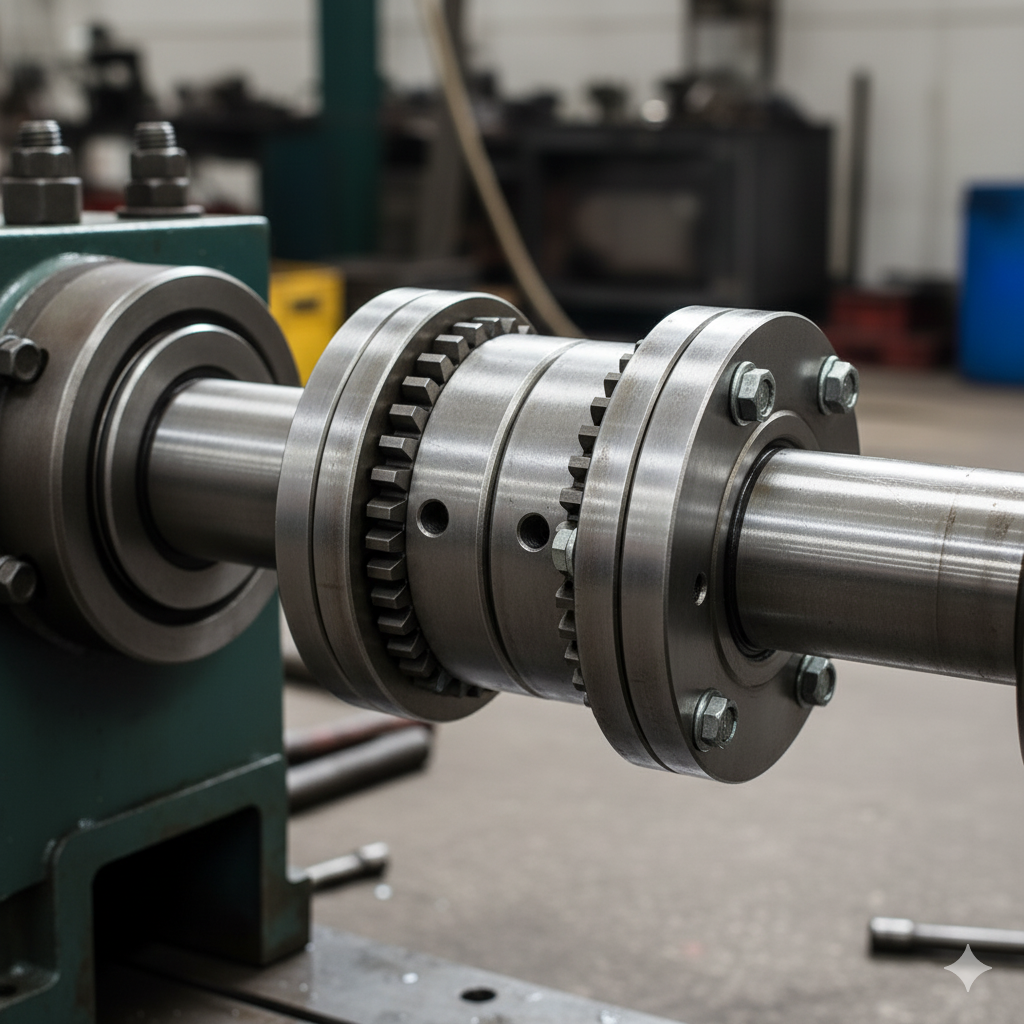
The grid coupling’s design uses a flexible steel grid inserted between two hub grooves. When torque fluctuates, the grid flexes to absorb and release impact energy—like a spring buffer inside the drivetrain.
Engineering benefits include:
-
Torque cushioning to prevent motor overload
-
Misalignment compensation for long-shaft drives
-
Reduced vibration and bearing stress
-
Increased system smoothness and equipment reliability
This makes grid couplings ideal for heavy rolling mills, hoisting cranes, and mining conveyors, where sudden load variation is frequent.
From Rigid Joints to Shock-Absorbing Systems
| Feature | Rigid Coupling | Grid Coupling (Dingjian System) |
|---|---|---|
| Flexibility | None | Multi-directional torsional damping |
| Shock Absorption | Poor | Spring grid disperses impact |
| Maintenance | Frequent alignment required | Replaceable grid insert |
| Torque Range | Limited | Up to 25000 Nm |
| Application | Light-duty | Heavy-duty continuous drives |
Unlike rigid or jaw couplings, Dingjian’s grid couplings combine precision-machined hubs with spring steel grids, forming a resilient structure capable of handling variable torque and high inertia loads.
This hybrid of strength and elasticity is what makes grid couplings essential for metallurgical and transport machinery where both torque and shock coexist.
Engineering Advantages in Harsh Industrial Conditions
Grid couplings are designed to survive extreme environments that other couplings cannot withstand.
Core advantages:
-
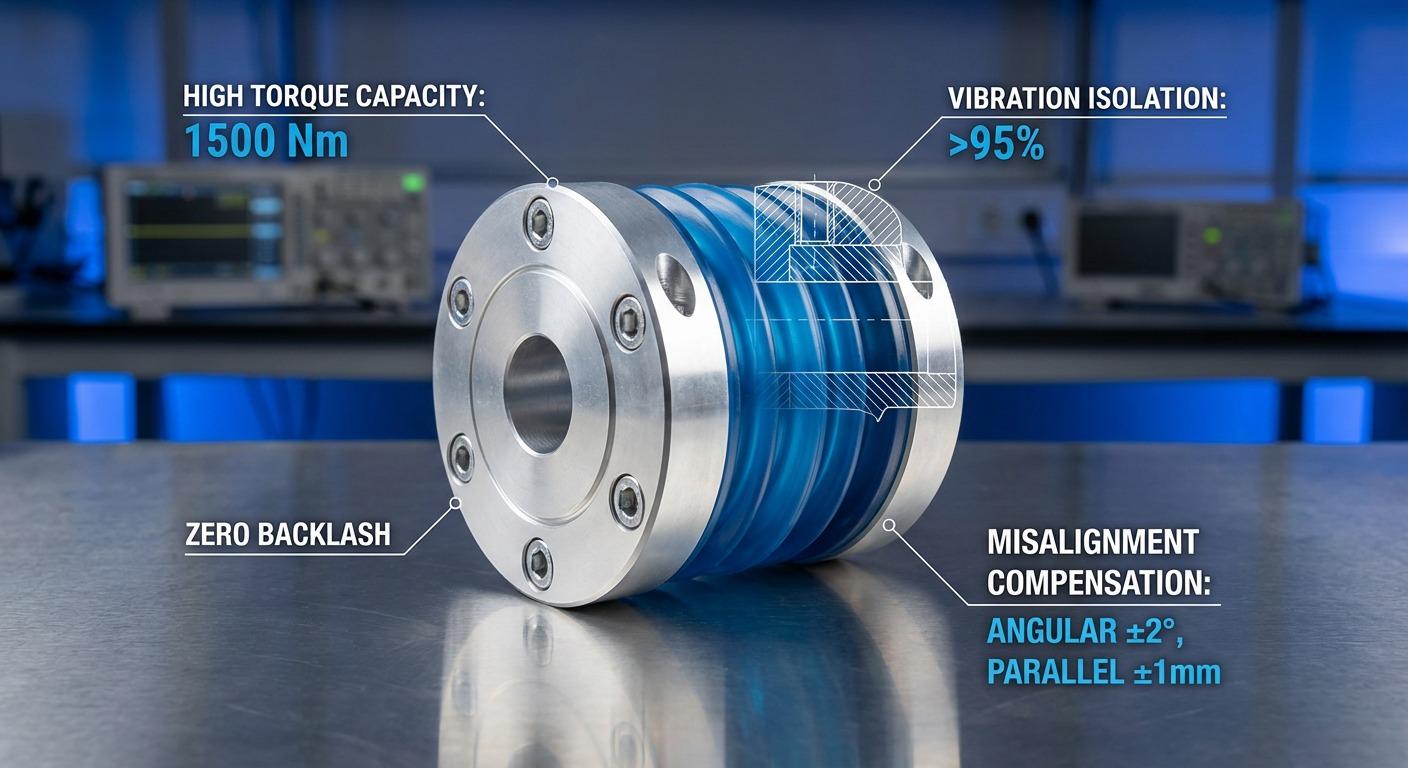
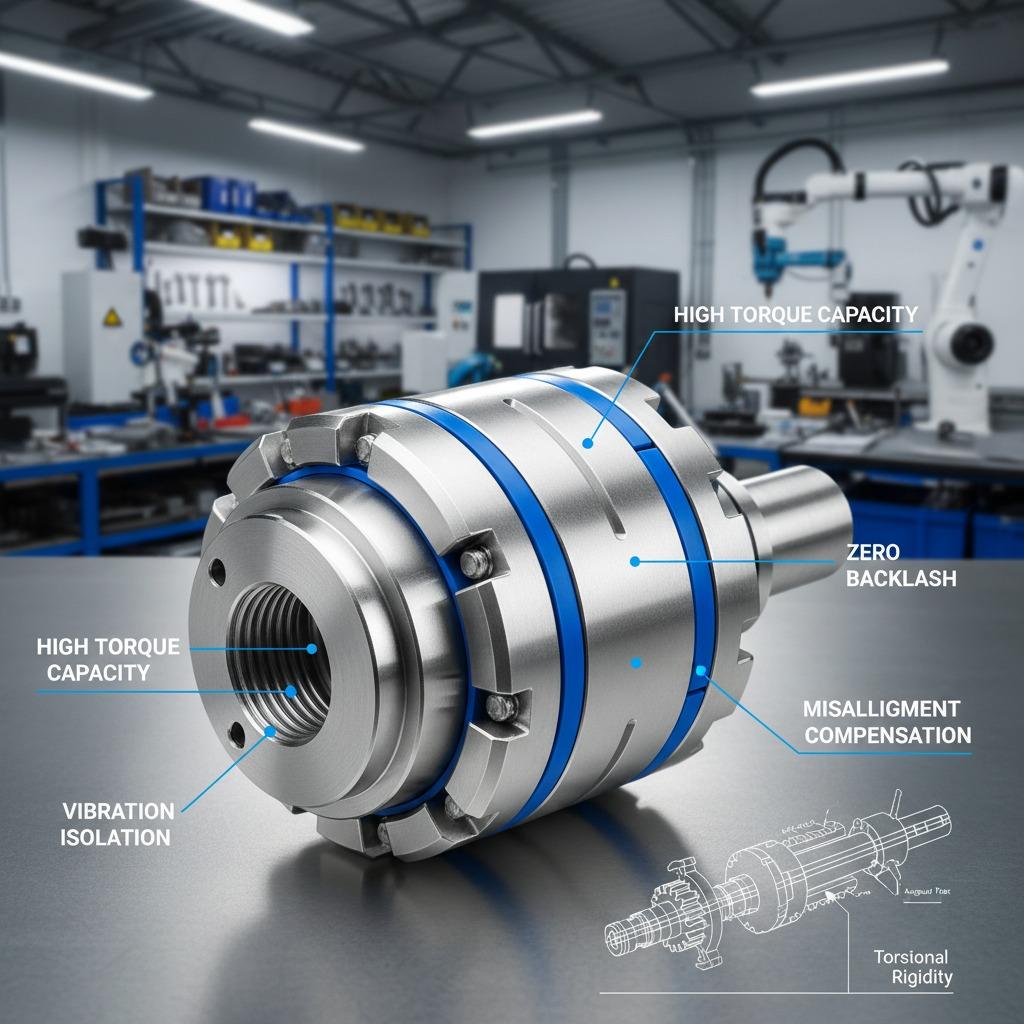
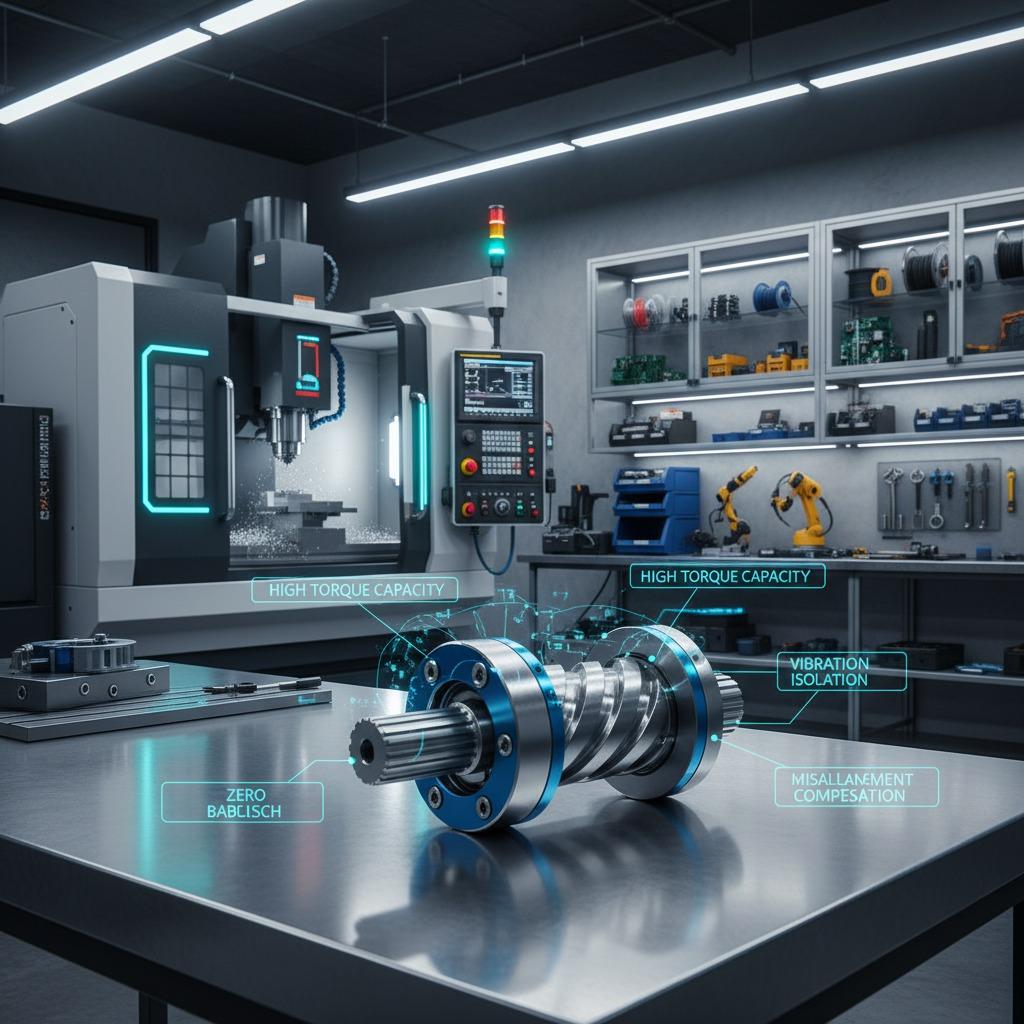
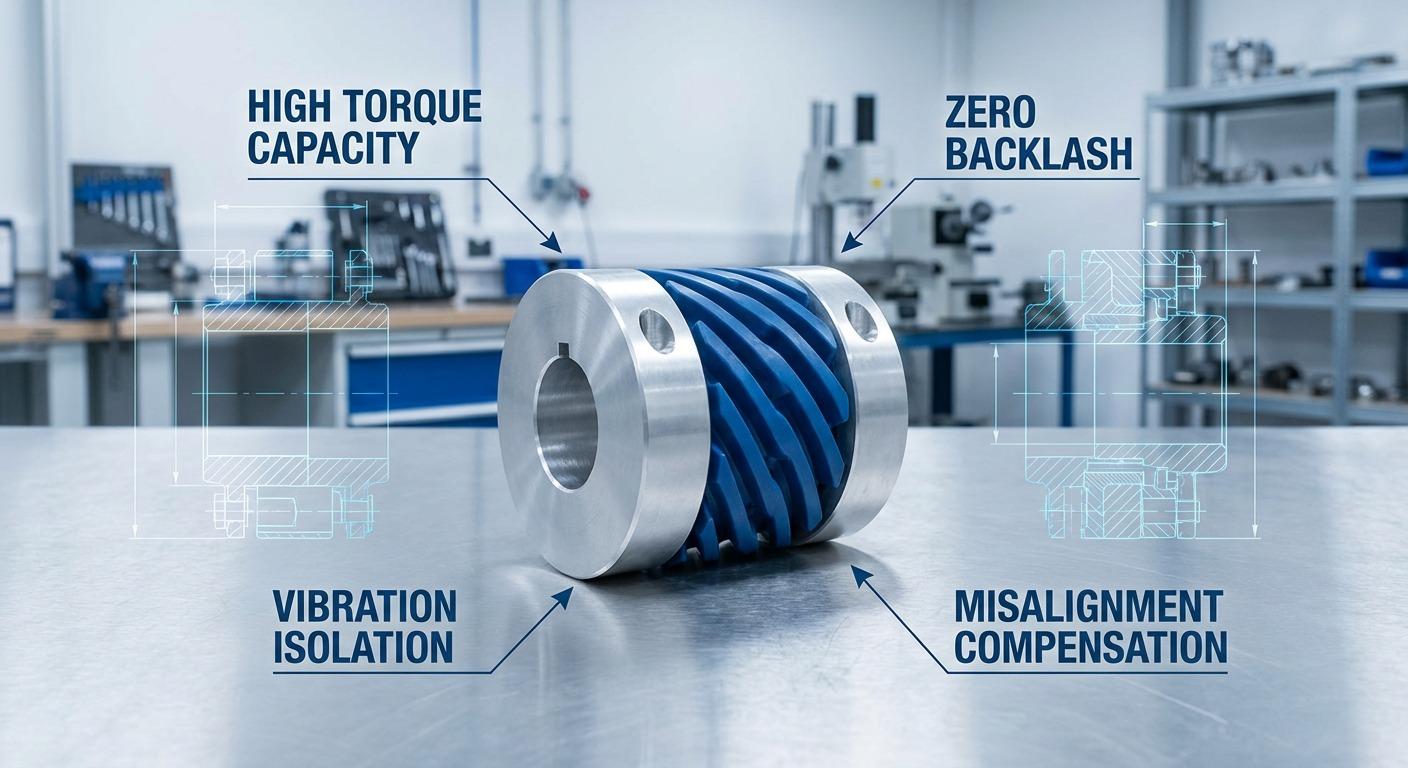
High Torque Capacity: Handles heavy drives such as crushers, conveyors, and mills.
-
Shock Resistance: Absorbs load spikes from lifting, reversing, or braking operations.
-
Durability: Hardened alloy hubs resist wear and fatigue under long duty cycles.
-
Alignment Tolerance: Compensates up to 0.5° angular misalignment, reducing maintenance needs.
-
Service Efficiency: Easy grid replacement without removing the motor or gearbox.
Each product is tested for torsional stiffness, balance accuracy, and fatigue life, ensuring reliability in metallurgical rolling lines and bulk material systems.
Industrial Applications: Where Grid Couplings Excel
| Industry | Typical Equipment | Performance Benefit |
|---|---|---|
| Metallurgy | Rolling mills, coilers, furnaces | Handles large torque and thermal vibration |
| Mining & Quarrying | Crushers, conveyors, elevators | Reduces load shock, extends motor life |
| Lifting & Hoisting | Cranes, hoists, winches | Smooth power transfer, vibration damping |
| Transport & Logistics | Conveyor drives, mechanical loaders | Reliable torque transmission, low noise |
| Cement & Building Materials | Rotary kilns, mills | Continuous high-load operation stability |
By adapting to each industry’s torque and environment requirements, Dingjian’s grid couplings maintain long-term system efficiency and reduce unscheduled downtime.
Choosing Grid Couplings by Operation Environment
Different operating environments demand different coupling configurations.
| Use Condition | Recommended Design | Key Benefit |
|---|---|---|
| Frequent Shock Loads (Crushers, Lifts) | Reinforced grid + hardened hub | Prevents grid fatigue and shaft breakage |
| High-Temperature Areas (Metallurgy) | Heat-resistant grid materials | Maintains elasticity under 150°C |
| Dusty or Moist Environments (Mining) | Sealed lubrication housing | Prevents contamination and corrosion |
| Compact Transmission Space (Cranes, Conveyors) | Short-span grid model | Easy installation and service |
Selecting the proper type ensures mechanical protection, energy efficiency, and maintenance economy across diverse mechanical systems.
Q&A: Engineering and Maintenance Insights
Q1: What makes grid couplings suitable for heavy-duty equipment?
A1: Their spring-steel grids absorb vibration and torque shock, protecting both the motor and driven shaft under repeated load changes.
Q2: How often should the grid element be serviced?
A2: Typically every 3,000–5,000 operating hours, depending on torque and lubrication condition.
Q3: Can Dingjian offer customized grid couplings for OEM machinery?
A3: Yes, OEM production is available for torque rating, bore dimensions, surface coating, and balance specifications.
Q4: What industries rely most on Dingjian’s grid couplings?
A4: Metallurgy, mining, cement production, crane systems, and bulk transport equipment.
Strength Through Engineering — Powering Heavy Industries
Grid couplings are built for strength, not speed. They serve as the flexible backbone of industrial power systems, absorbing what heavy machinery cannot predict—shock, vibration, and overload.
Through material innovation, precise machining, and OEM adaptability, Dingjian ensures stable performance for global metallurgy, mining, and lifting operations.
To explore OEM cooperation or request engineering consultation, visit the official homepage or contact the team via the contact page.