
Understanding the Flexible Drive Universal Joint OEM: A Game-Changer in Precision Engineering
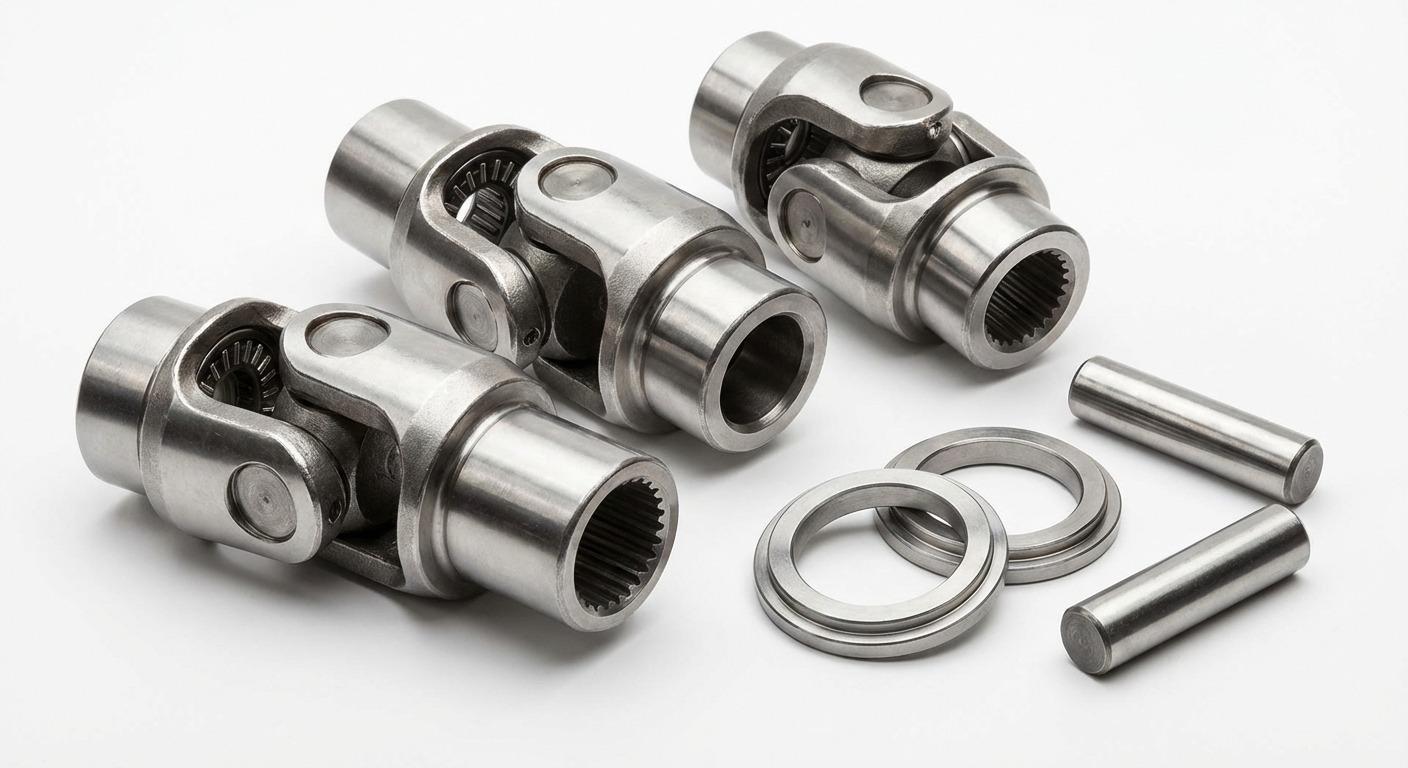
In the world of industrial machinery, the flexible drive universal joint OEM stands out as a pivotal component that ensures seamless power transmission and operational efficiency. This innovative device, often overlooked in favor of more visible parts, plays a crucial role in connecting shafts that are not aligned, allowing for smooth motion even in complex setups. As an original equipment manufacturer (OEM) solution, it is custom-designed to meet the specific needs of high-performance machines, integrating advanced materials and engineering techniques to handle the rigors of modern manufacturing environments. Whether in automated assembly lines or precision CNC systems, the flexible drive universal joint OEM delivers reliability that keeps production flowing without interruption.
Key Features That Define the Flexible Drive Universal Joint OEM
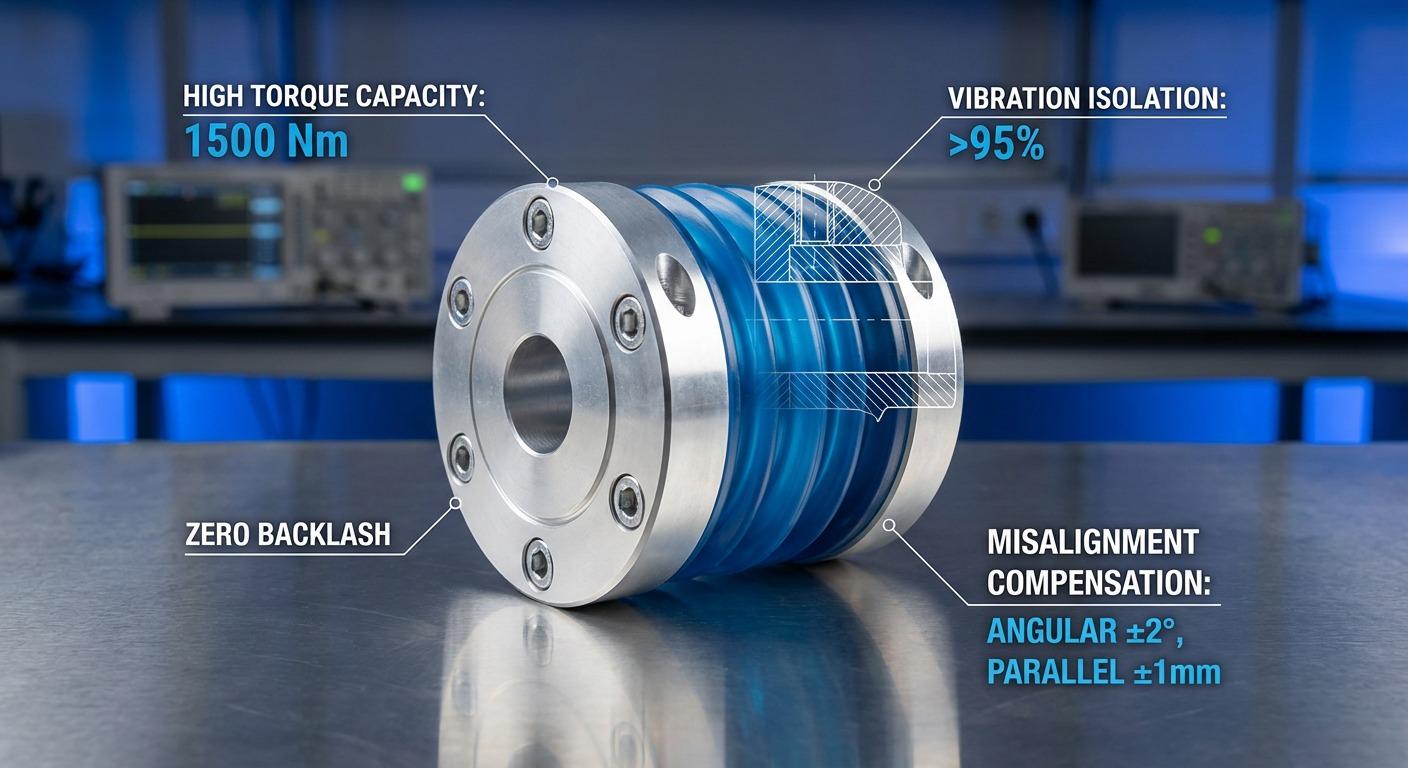
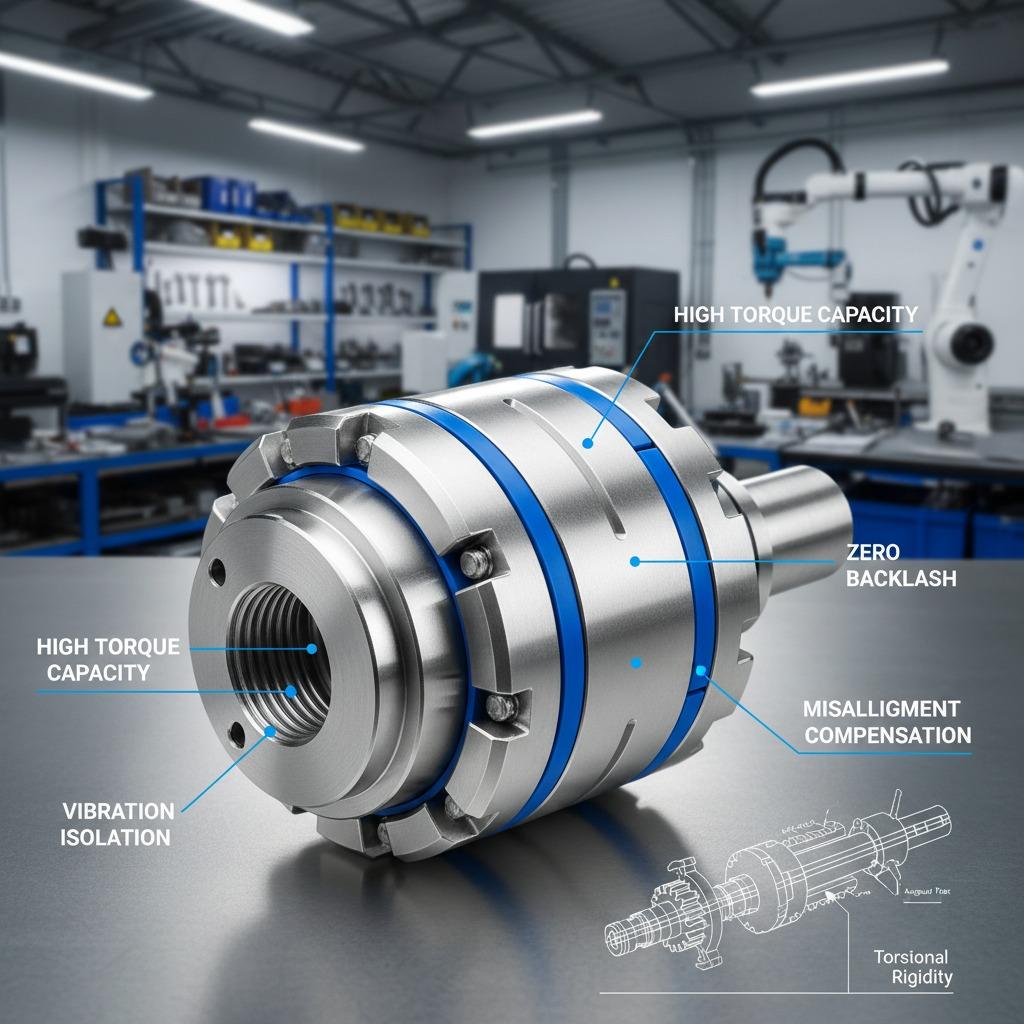
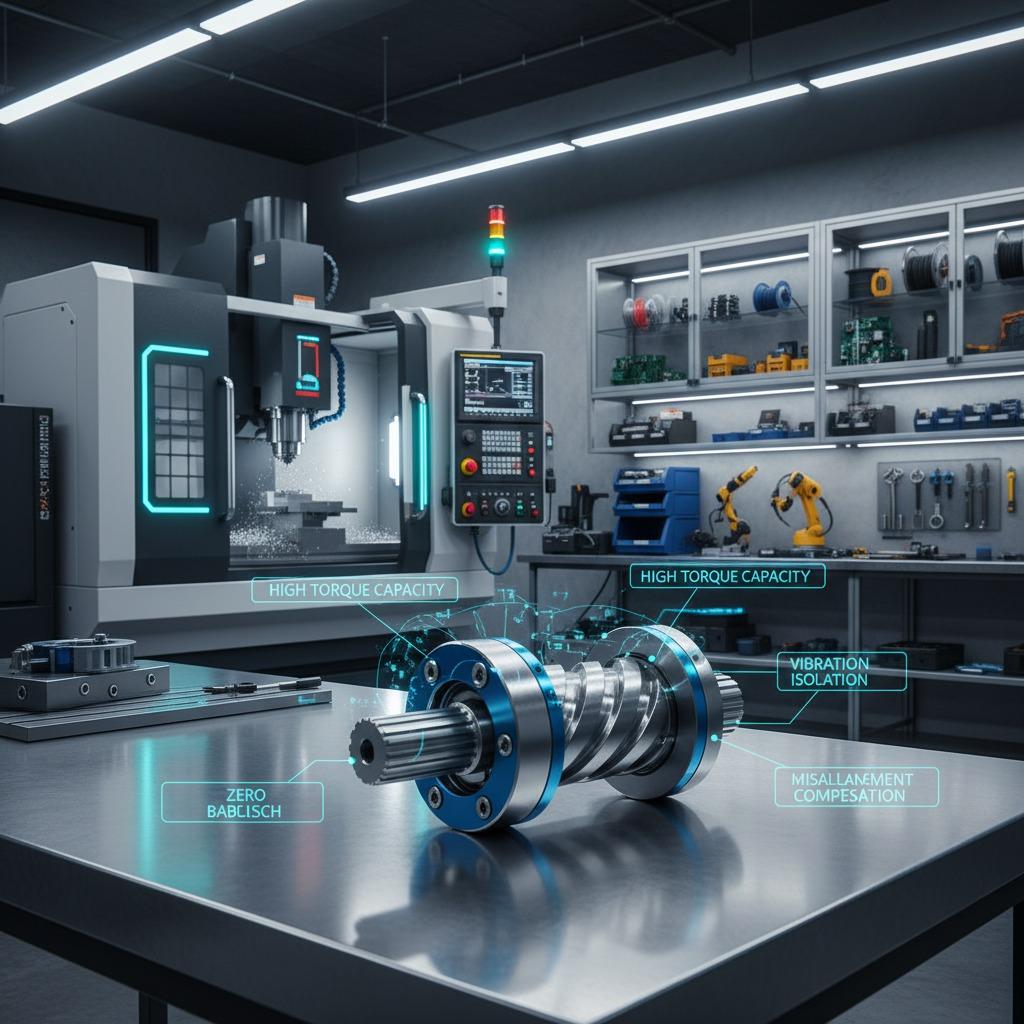
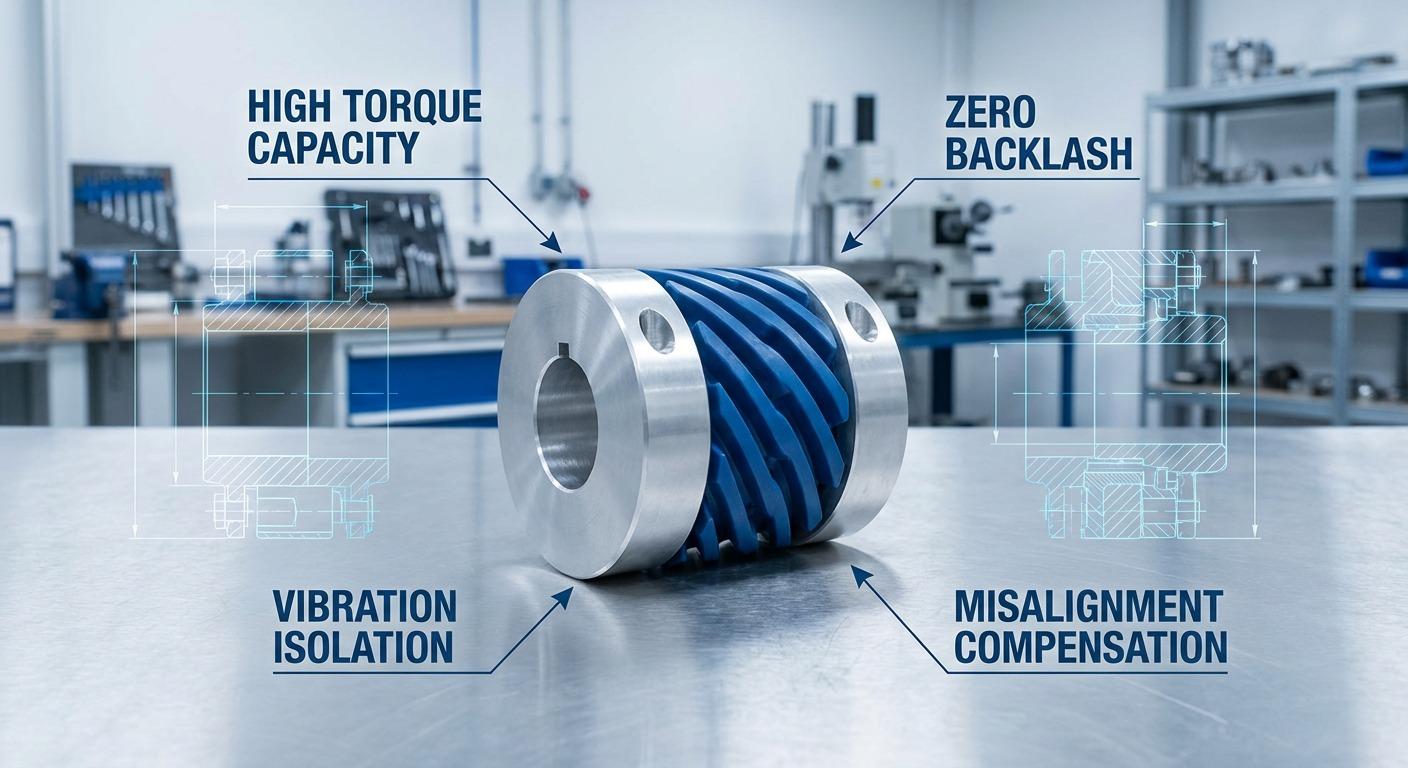
One of the standout attributes of the flexible drive universal joint OEM is its high torque capacity. Engineered to withstand substantial loads, this component ensures that machinery can operate under intense pressures without compromising performance. Traditional joints often falter under heavy use, leading to vibrations or failures, but the OEM version is built with reinforced alloys and precision machining that distribute forces evenly. This not only boosts the overall efficiency of the system but also reduces the risk of unexpected breakdowns, saving time and costs for manufacturers who rely on uninterrupted workflows.
Another critical feature is the zero backlash design, which eliminates any play between connected parts. In precision applications like gear assemblies or drive systems, even the slightest movement can lead to inaccuracies that propagate through the entire process. The flexible drive universal joint OEM addresses this by incorporating tight tolerances and specialized bearings, resulting in seamless, accurate motion. This zero backlash characteristic is particularly beneficial in industries such as aerospace and automotive, where micrometer-level precision is non-negotiable. By minimizing wear and tear, it extends the lifespan of the equipment, making it a smart investment for long-term operational success.
Misalignment compensation is yet another hallmark of the flexible drive universal joint OEM. Real-world machinery rarely aligns perfectly due to installation variances or thermal expansions, and without proper accommodation, these misalignments can cause stress points and premature failure. This OEM joint flexes intelligently to absorb angular and parallel offsets, providing durability across diverse setups. Imagine a CNC machine navigating intricate cuts; the flexible drive universal joint OEM ensures that power is transmitted smoothly, regardless of minor deviations, thereby reducing maintenance needs and downtime. This adaptability makes it ideal for dynamic environments where flexibility is as important as strength.
Applications and Benefits in Industrial Settings
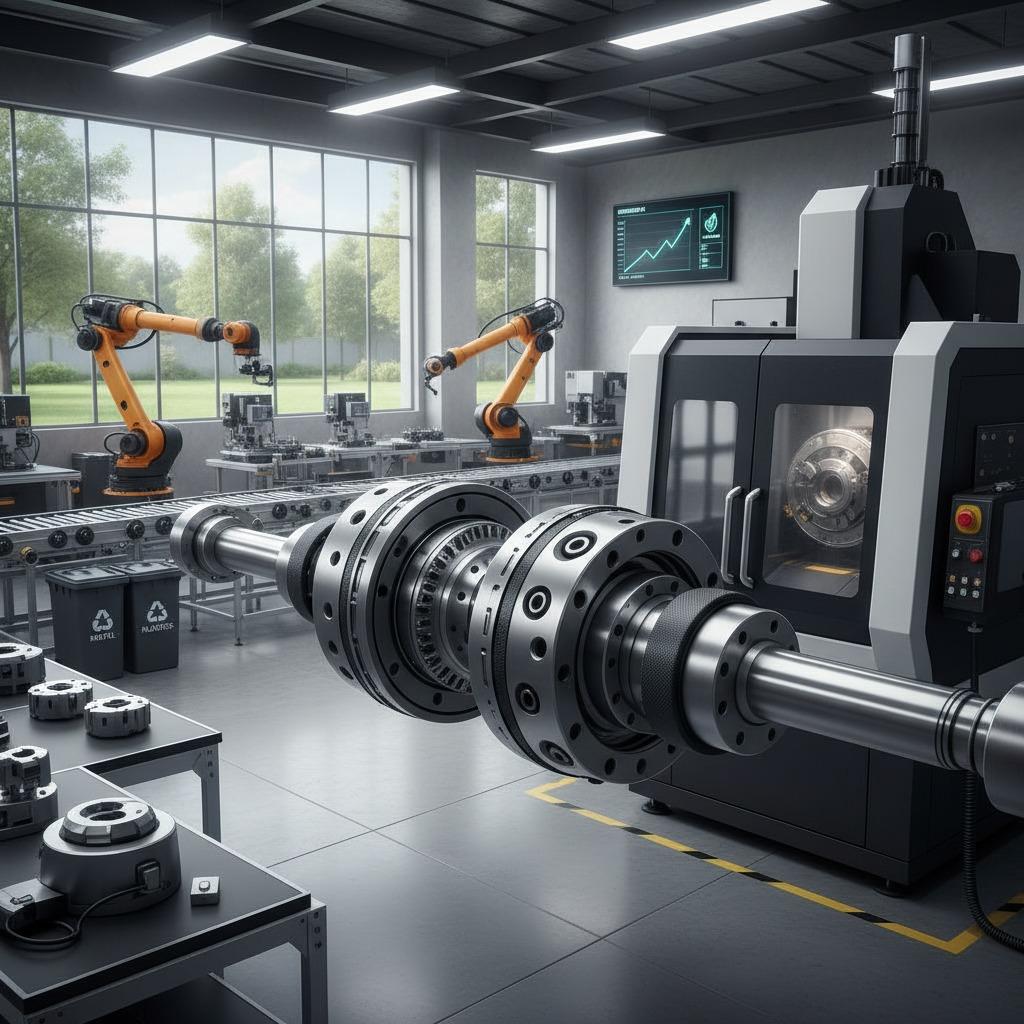
The flexible drive universal joint OEM finds its place in a variety of industrial applications, from heavy-duty robotics to sophisticated packaging lines. In automated systems, it connects motors to actuators, enabling precise control over movements that would otherwise be jerky or inefficient. For instance, in the production of consumer electronics, where components must be assembled with exacting standards, this joint ensures that drive trains operate without slippage, maintaining the high throughput that modern facilities demand. Its OEM nature allows for customization, so manufacturers can tailor the joint's specifications—such as size, material, or load rating—to fit their unique machinery, optimizing performance right from the design phase.
Beyond core functionality, the benefits of integrating a flexible drive universal joint OEM extend to overall system reliability. By compensating for misalignments and handling high torques with zero backlash, it contributes to a more stable operation that aligns with lean manufacturing principles. Facilities using state-of-the-art CNC equipment, for example, report fewer calibration adjustments and lower energy consumption when equipped with these joints. This translates to tangible savings: reduced scrap rates from imprecise operations, extended intervals between services, and enhanced safety by mitigating vibration-induced hazards. In an era where downtime can cost thousands per hour, the flexible drive universal joint OEM emerges as a strategic asset for competitive edge.
Moreover, the environmental impact of such components should not be underestimated. Constructed from durable, recyclable materials, the flexible drive universal joint OEM supports sustainable practices by lasting longer and requiring fewer replacements. This aligns with global pushes toward green manufacturing, where efficiency and resource conservation go hand in hand. Companies adopting these OEM solutions often see improvements in their carbon footprint, as smoother operations mean less energy waste. Whether retrofitting existing lines or building new ones, incorporating this joint elevates both productivity and eco-friendliness.
Why Choose an OEM Approach for Your Flexible Drive Universal Joint Needs
Opting for a flexible drive universal joint OEM provider means gaining access to expertise that off-the-shelf parts simply can't match. OEMs specialize in iterative design and testing, ensuring that each unit meets rigorous standards for torque, backlash, and alignment before it reaches the factory floor. This level of quality control is essential in high-stakes environments like medical device production or renewable energy systems, where failure is not an option. By partnering with an OEM, businesses can collaborate on prototypes, simulate real-world stresses, and refine the product for optimal integration, resulting in machinery that performs at peak efficiency from day one.
The customization potential is a major draw. Unlike generic universal joints, the flexible drive universal joint OEM can be engineered for specific torque ranges, environmental resistances (such as corrosion-proof coatings for harsh conditions), or even integration with smart sensors for real-time monitoring. This bespoke approach minimizes compatibility issues and maximizes the return on investment. For example, in wind turbine driveshafts, where misalignment from wind loads is common, an OEM joint can be designed to handle extreme flex without fatigue, ensuring decades of reliable service.
In summary, the flexible drive universal joint OEM represents the pinnacle of engineering innovation, blending high torque capacity, zero backlash, and superior misalignment compensation into a compact, versatile component. Its applications span countless industries, driving efficiency, precision, and sustainability. As manufacturing evolves toward smarter, more resilient systems, investing in quality OEM solutions like this will be key to staying ahead. For those seeking to enhance their operations, exploring the flexible drive universal joint OEM is a step toward unbreakable performance and enduring success. (Word count: 1024)