
Meeting the Demands of Modern Industry with Advanced Couplings
As industries worldwide push the boundaries of speed, precision, and efficiency, the mechanical components that power our machines are under more scrutiny than ever. In this high-stakes environment, the integrity of power transmission systems is paramount. This is where high-performance Flexible Couplings become not just a component, but a cornerstone of modern engineering. These critical devices are essential for connecting two shafts, transmitting power, and accommodating for the inevitable misalignments that occur in dynamic systems, ensuring that machinery operates smoothly and reliably. The evolution of these Mechanical Couplings reflects the relentless progress of the industries they serve.
The Crucial Role of Modern Coupling Designs
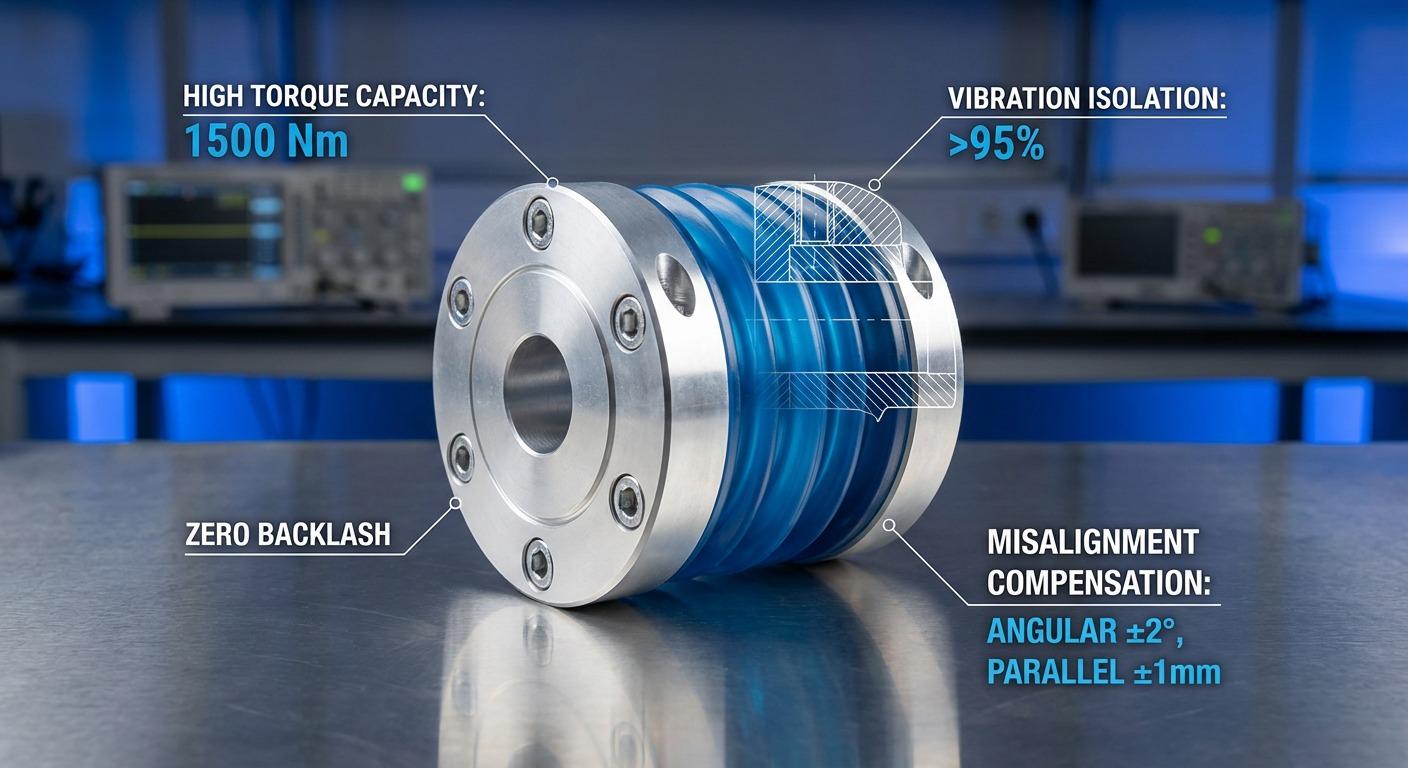
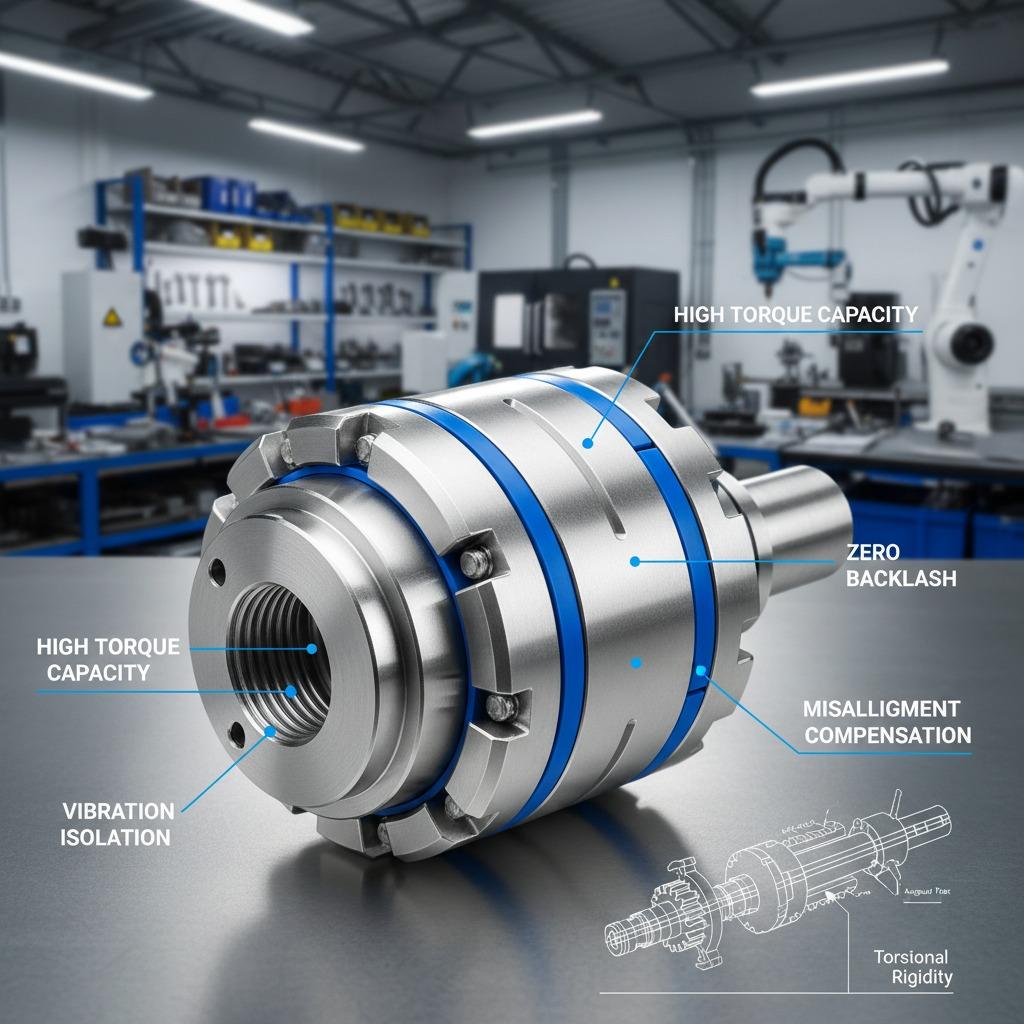
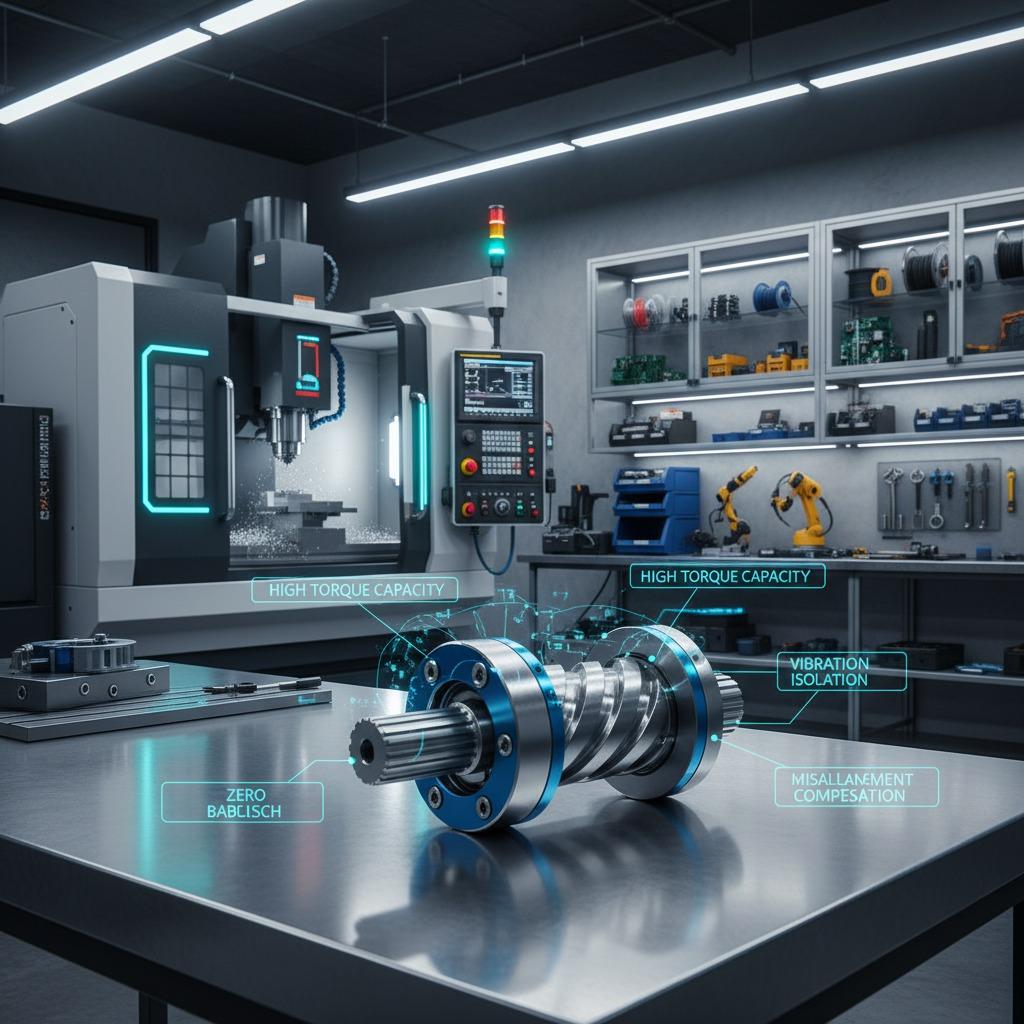
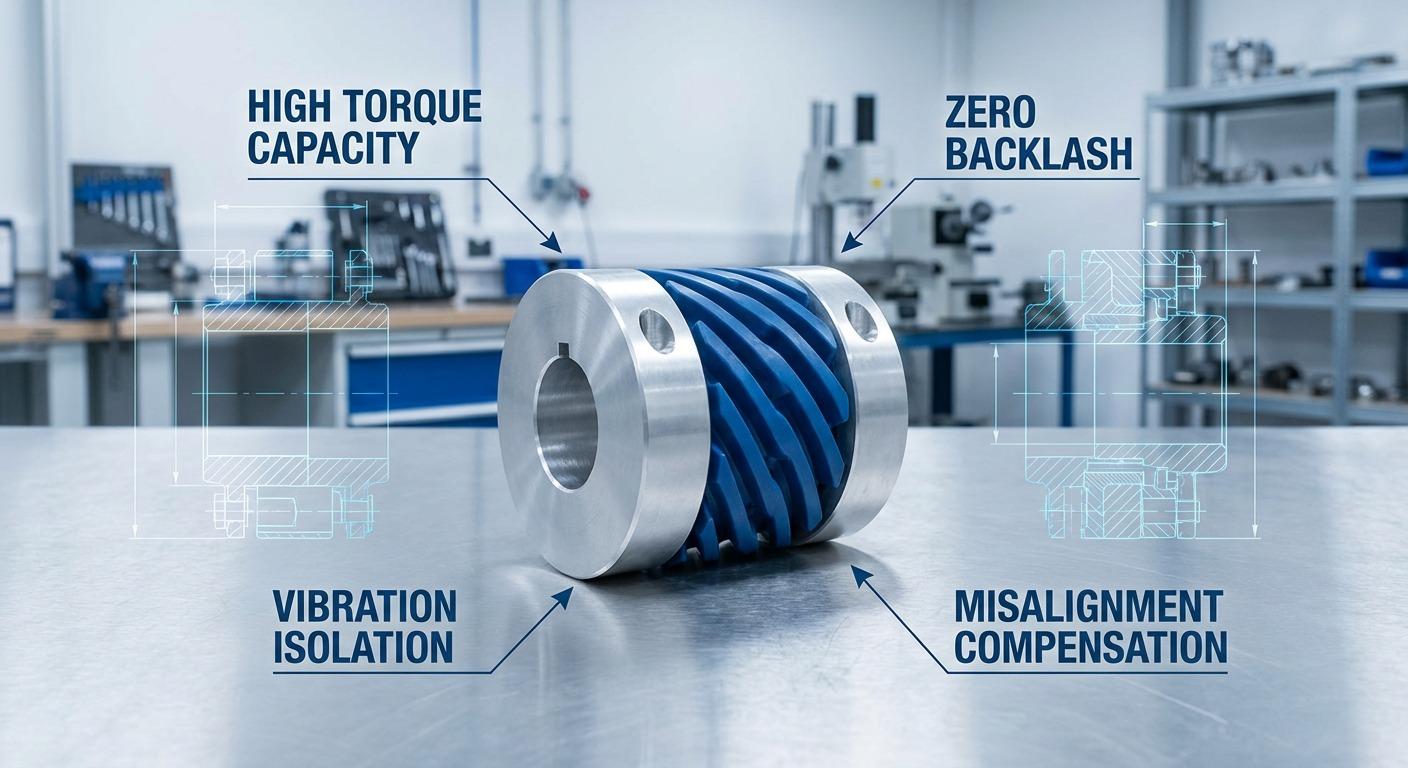
The days of simple, rigid connections are long gone, replaced by a need for sophisticated solutions that can handle complex operational demands. A prime example of this evolution is the Diaphragm Coupling, a type of flexible coupling celebrated for its high torsional stiffness and zero-backlash performance. Its design is engineered to manage angular, parallel, and axial misalignments between shafts without inducing significant stress on connected equipment like bearings and motors. This capability is vital for efficient Torque Transmission, as it minimizes energy loss and reduces harmful vibrations that can lead to premature equipment failure and costly downtime. The shift towards such advanced couplings is a direct response to the industry's call for machinery that is both more powerful and more durable.
Innovations in Diaphragm Coupling Design
Recent breakthroughs in Diaphragm Coupling Design have elevated their performance to new heights. A standout innovation is the Double-Single Membrane Coupling that incorporates expansion sleeves. This design moves beyond traditional keyways, offering a streamlined and more effective connection. The core of this design features meticulously engineered membranes that provide superior flexibility. However, the inclusion of expansion sleeves is a game-changer. These specialized Coupling Components allow for a perfectly centered, backlash-free connection that is remarkably easy to install and remove. This keyway-less fastening provides exceptional grip and high Torque Transmission capacity, simplifying maintenance while boosting operational reliability. The high-grade alloys and protective finishes used in these modern couplings also ensure excellent resistance to wear and corrosion, making them suitable for the most rugged industrial environments.
Diverse Coupling Applications in Today's Industries
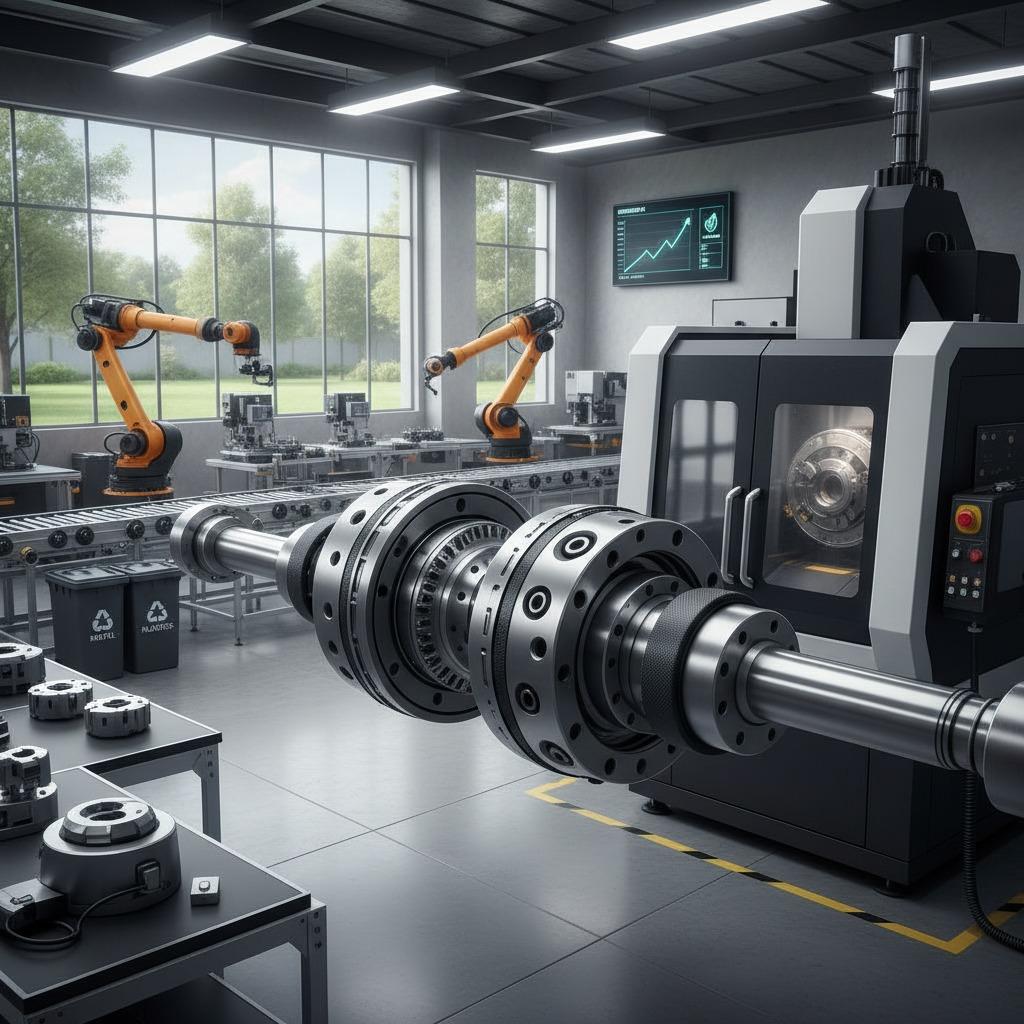
The versatility of advanced Flexible Couplings means their applications span across a vast industrial landscape. The superior performance of a modern Diaphragm Coupling makes it indispensable in sectors that demand the utmost precision and reliability. In high-speed robotics, for instance, their zero-backlash characteristic ensures precise movements and positioning. In heavy machinery and manufacturing, their ability to absorb shock loads and compensate for misalignment protects expensive equipment and extends its operational life. The range of Coupling Applications also includes the automotive sector, power generation, and aerospace, where failure is not an option. By selecting the right coupling for the job, engineers can significantly enhance system performance, reduce maintenance costs, and future-proof their operations against the increasing demands of their field.
Future-Proofing Your Machinery with Advanced Couplings
In conclusion, the trend towards faster, more precise, and more reliable machinery is irreversible. To stay competitive, businesses must invest in components that can meet and exceed these expectations. Advanced Mechanical Couplings are at the forefront of this movement, providing the performance and durability required to power next-generation systems. The Double-Single Membrane Coupling with Expansion Sleeves exemplifies this new standard, merging innovative design with practical functionality. It’s more than just a connection between two shafts; it's a vital link that ensures the entire system operates at its peak potential, making it an essential asset for any forward-thinking engineering operation.