
Understanding the Role of Diaphragm Couplings in Modern Machinery
In the world of advanced mechanical systems, the Diaphragm Coupling stands out as a critical component for ensuring reliable and precise power transfer between rotating shafts. As a high-performance type of motion control coupling, it belongs to the broader category of Flexible Couplings, which are designed to accommodate misalignment while transmitting power. These devices are essential for connecting machinery like motors, turbines, and pumps, providing a connection that is both strong and forgiving. Their ability to handle shaft misalignments without inducing significant reactionary loads on connected equipment makes them indispensable in many high-stakes industrial environments where precision and uptime are paramount.
The Intricate Design and Key Components
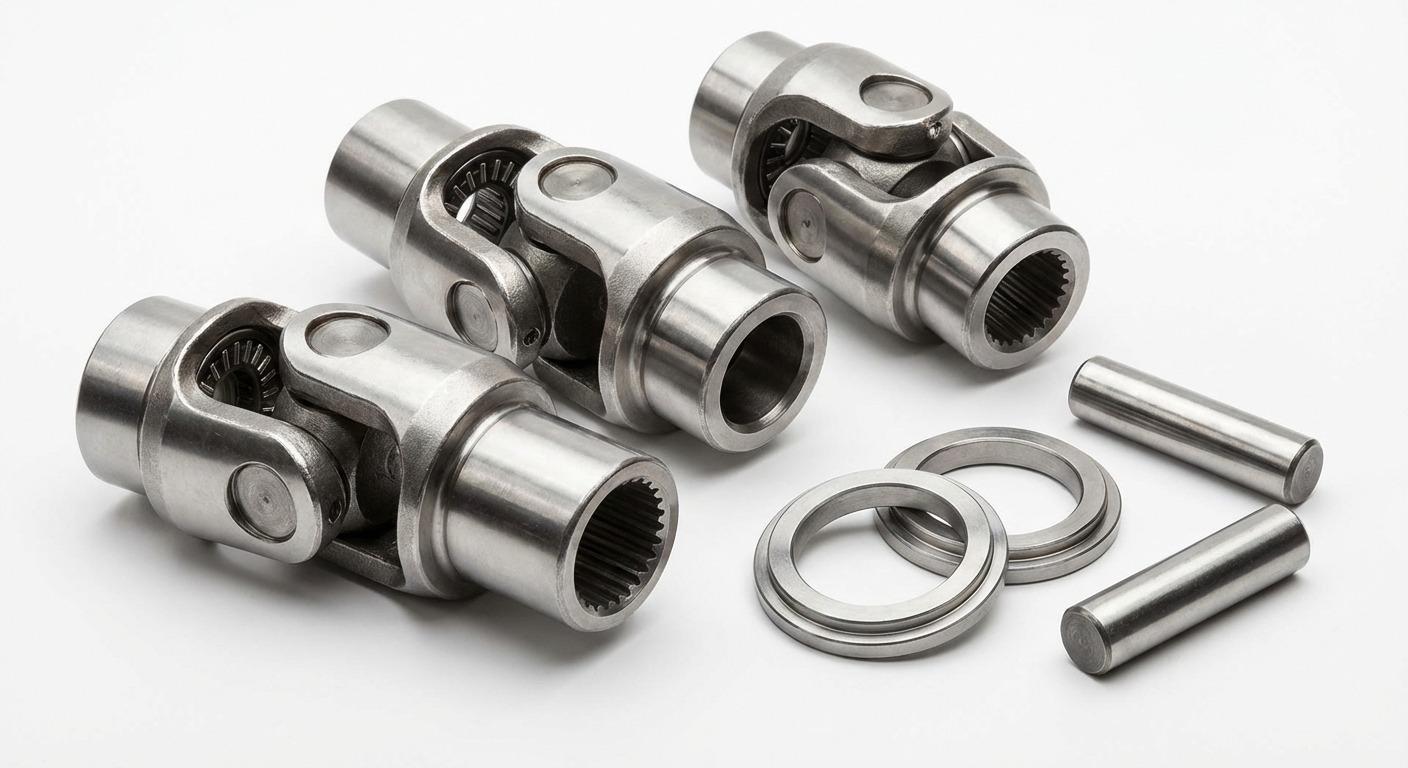
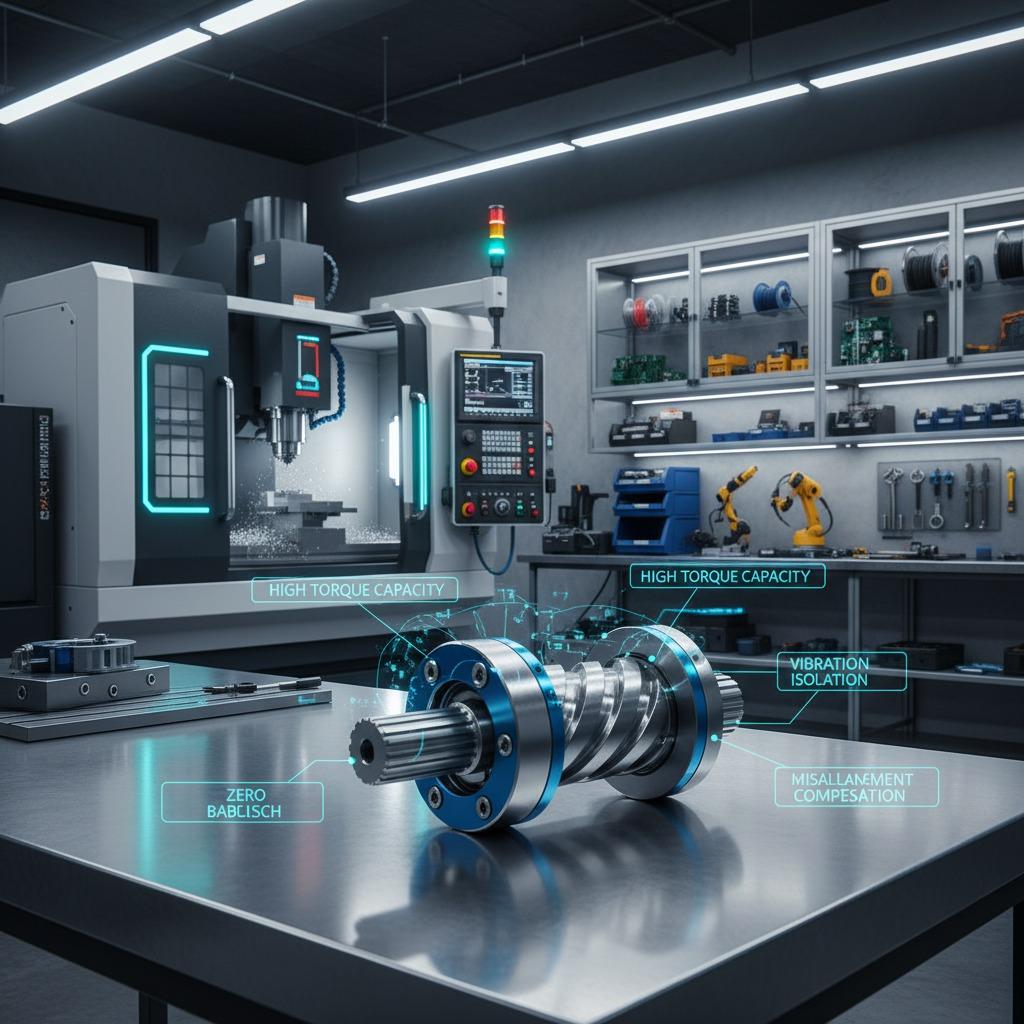
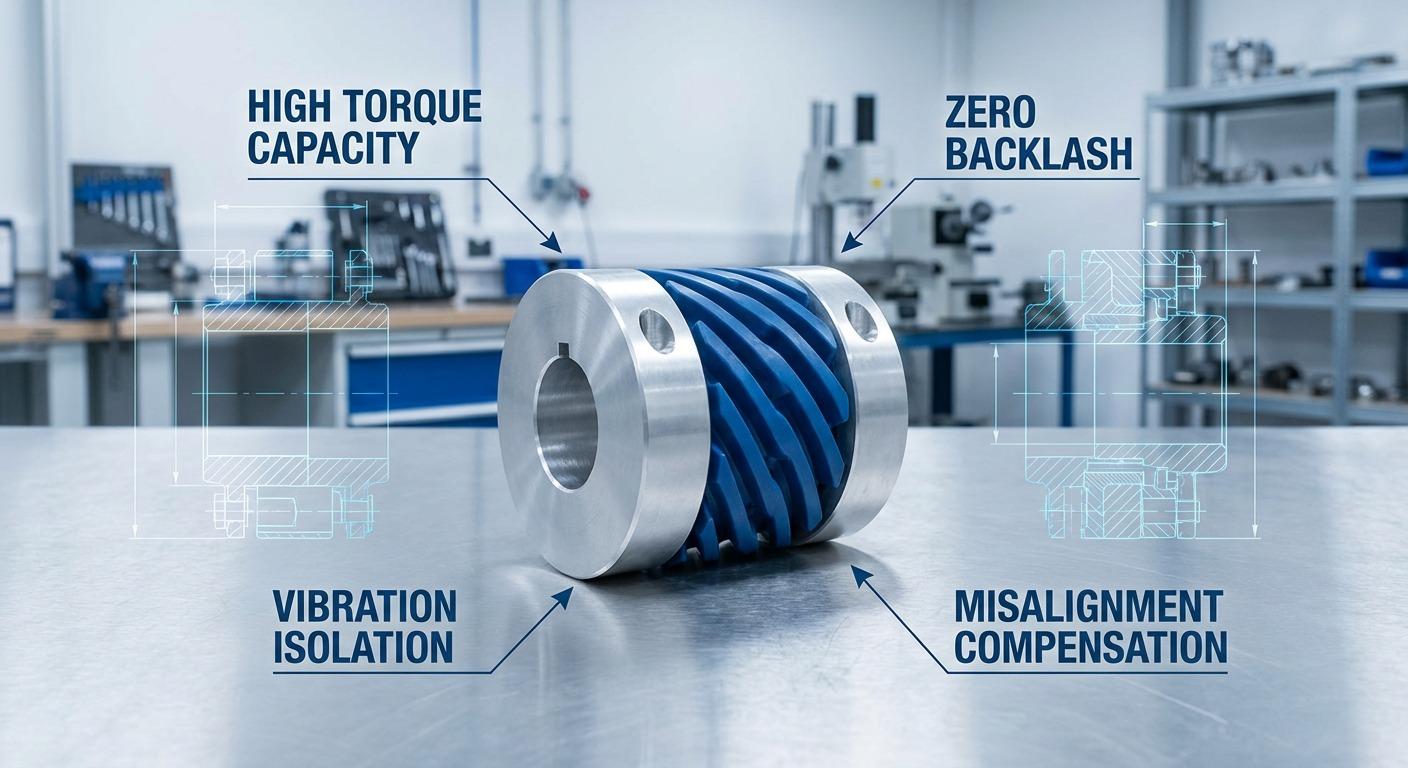
The core of the Diaphragm Coupling Design lies in its primary flexing elements: one or a series of thin, profiled metal diaphragms. These Coupling Components are typically machined from high-strength stainless steel and are bolted together, often at the outside diameter, and attached to the driving and driven hubs at the inside diameter. This construction creates a unit that is torsionally rigid but axially and angularly flexible. A specific and advanced configuration, such as a single-disc membrane coupling with a key slot, further refines this design. The key slot ensures a secure, non-slip fit on the shaft, which is crucial for maintaining precise timing and power delivery in sophisticated machinery. The sleek, black polished finish often seen on these couplings is not just for aesthetics; it also provides an extra layer of protection against corrosion, enhancing durability in demanding settings.
Superior Torque Transmission and Misalignment Compensation
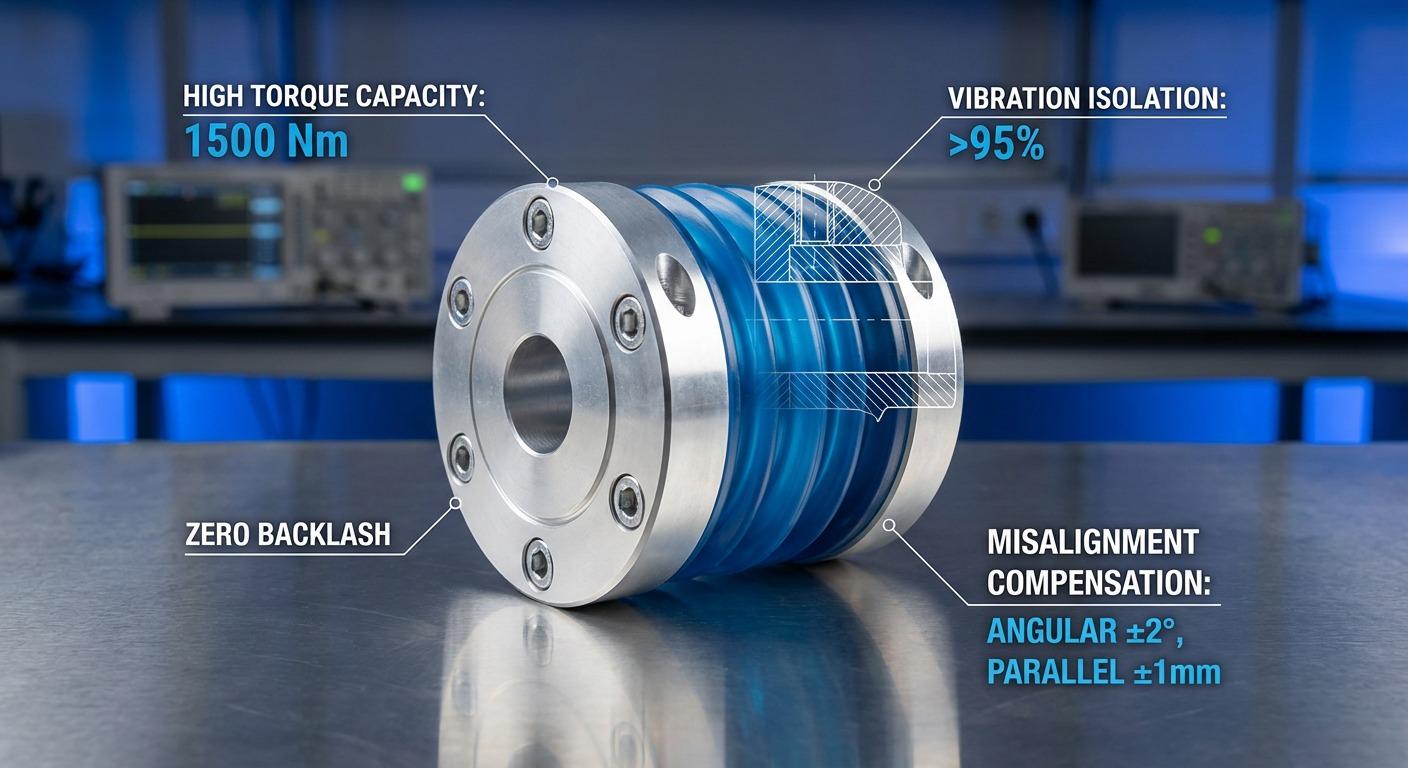
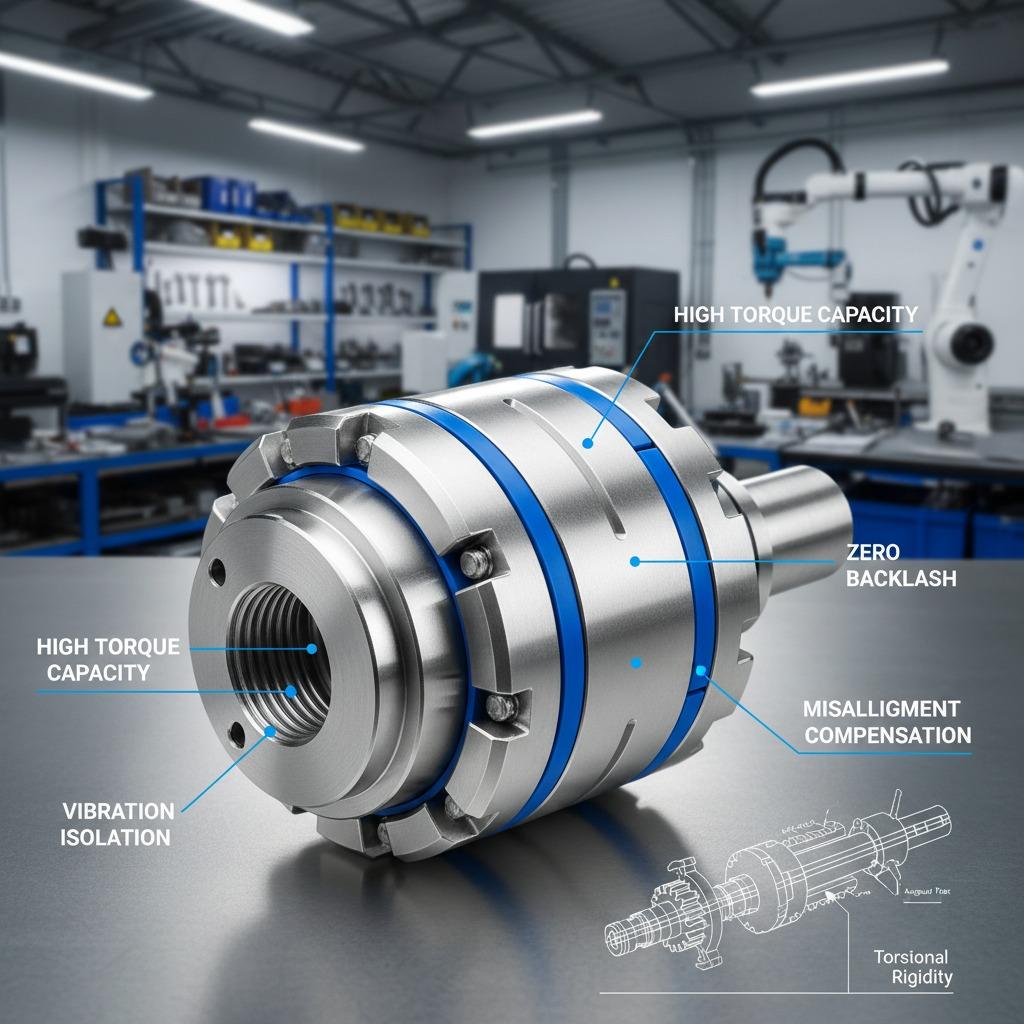
The primary function of all Mechanical Couplings is effective Torque Transmission, and this is an area where the diaphragm type truly excels. It transmits torque in a torsionally stiff manner, meaning there is virtually zero backlash or 'wind-up' during operation. This characteristic is vital for applications requiring precise positional control and constant velocity, such as in robotics or high-speed printing. Simultaneously, the thin diaphragms flex to absorb angular, axial, and parallel misalignment between the connected shafts. This flexibility prevents the transfer of harmful stress to the shaft bearings, significantly extending the life cycle of the entire mechanical system. Unlike geared or lubricated couplings, diaphragm couplings operate without any wearing parts, eliminating the need for lubrication and routine maintenance.
Diverse and Demanding Coupling Applications
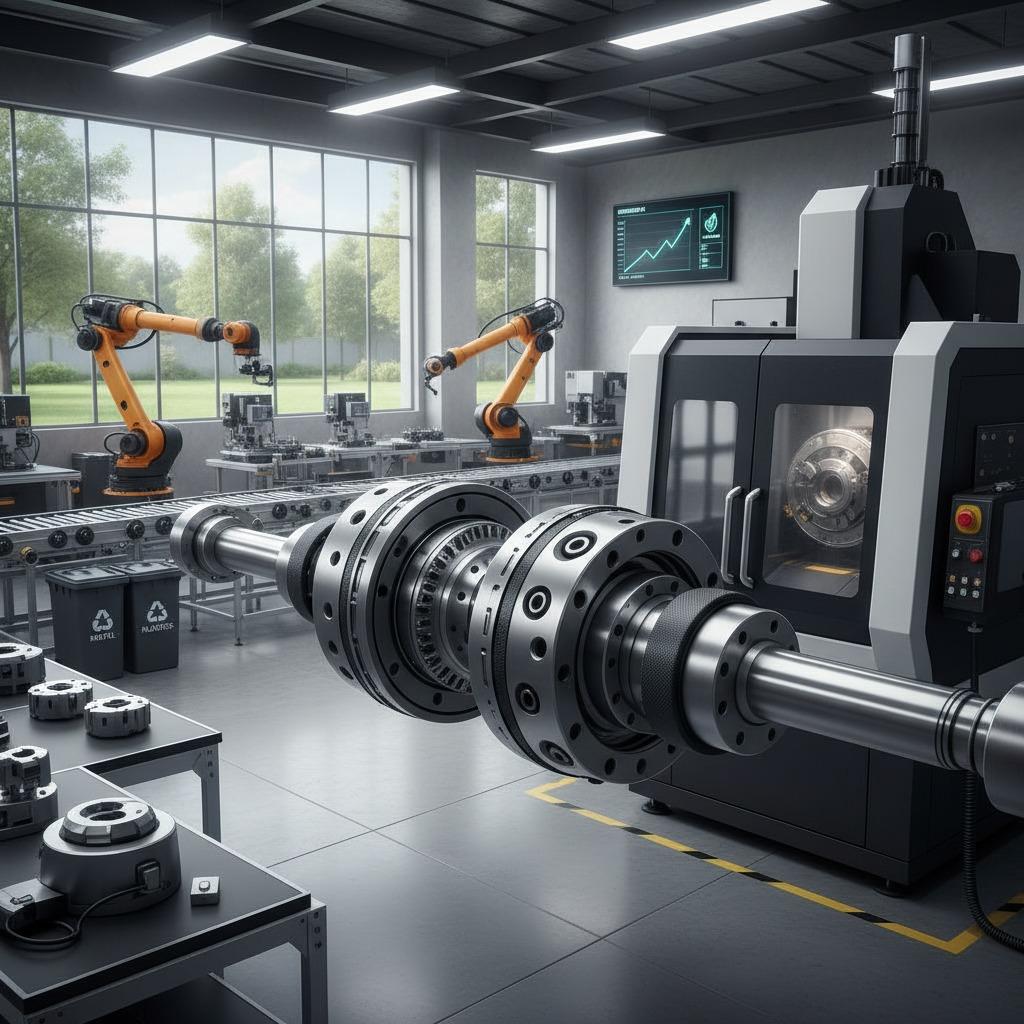
The unique combination of high torque capacity, zero backlash, and maintenance-free operation makes this coupling suitable for a wide array of demanding Coupling Applications. They are a preferred choice in the power generation industry for connecting gas and steam turbines to generators. In the oil and gas sector, they are used in compressors, pumps, and fans where reliability is a matter of operational safety and efficiency. Other applications include high-speed machine tools, test benches, marine propulsion systems, and printing machinery. In each of these fields, the Diaphragm Coupling provides a robust solution that improves dynamics, reduces vibration, and ensures that power is transmitted smoothly and efficiently, making it a cornerstone of modern industrial technology.