
Precision in Motion: How an Elastic Coupling Manufacturer Ensures Reliable Power Transfer
In today’s manufacturing environments, efficiency depends not only on the power of machinery but on the precision of its connections.
For rotating equipment, even small misalignments or torque inconsistencies can lead to energy loss, vibration, and component fatigue.
That’s where the expertise of a professional elastic coupling manufacturer like Dingjian becomes essential—delivering mechanical flexibility that protects systems from failure and maximizes performance.
How Elastic Couplings Absorb Industrial Stress
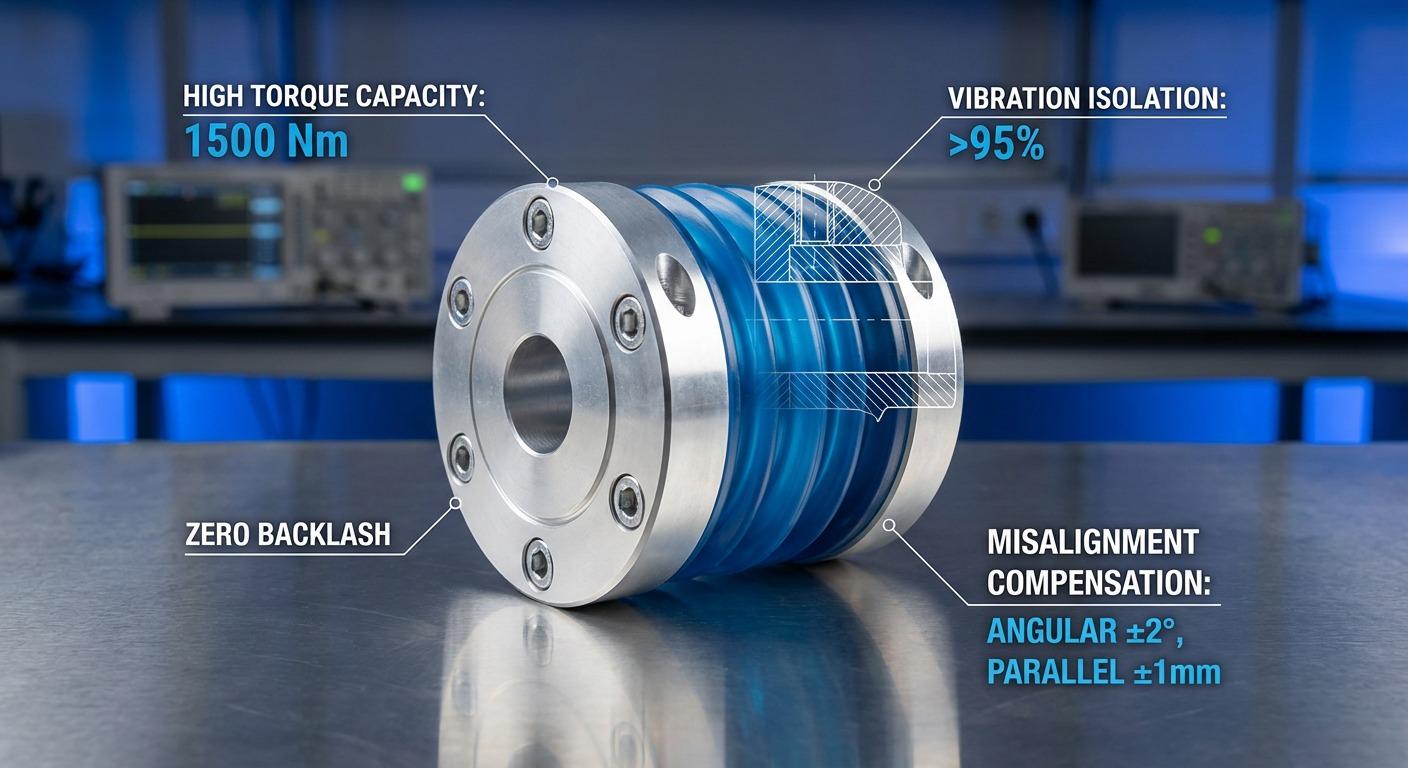
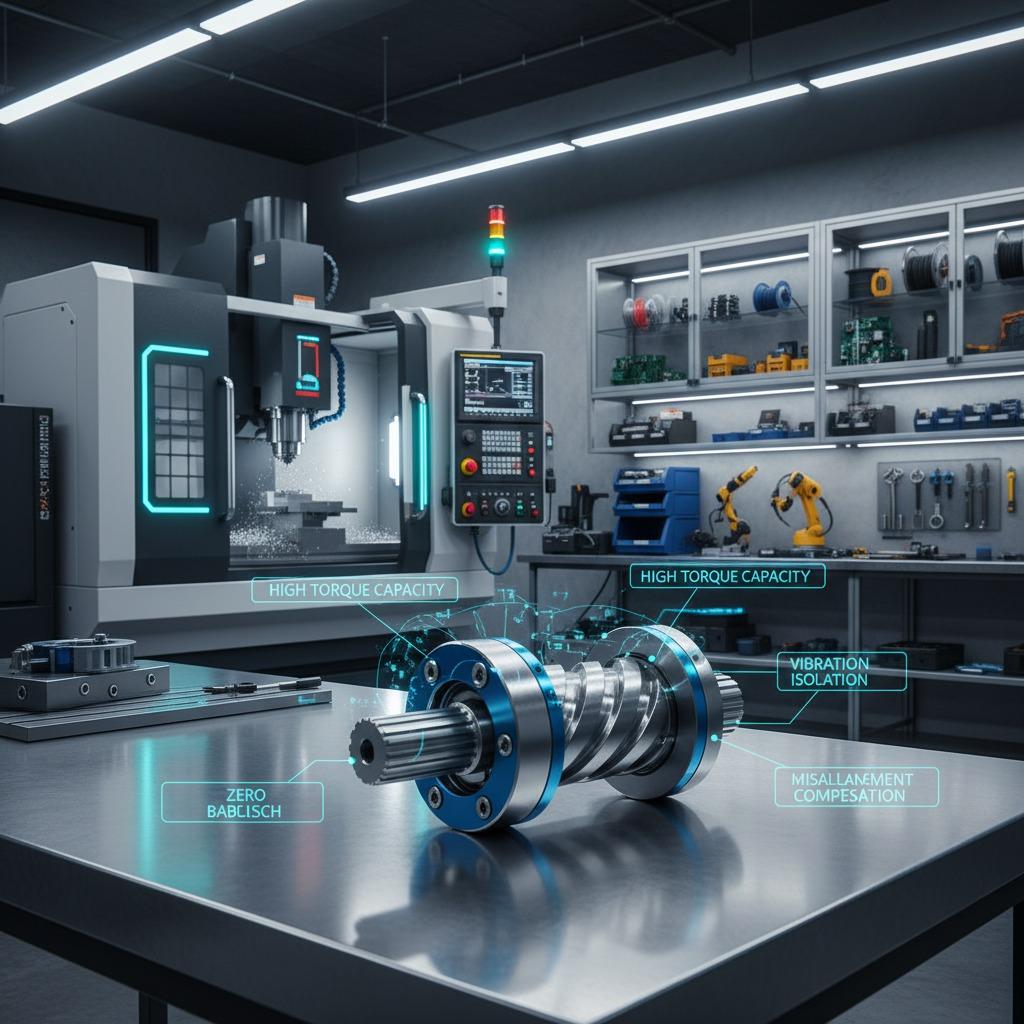
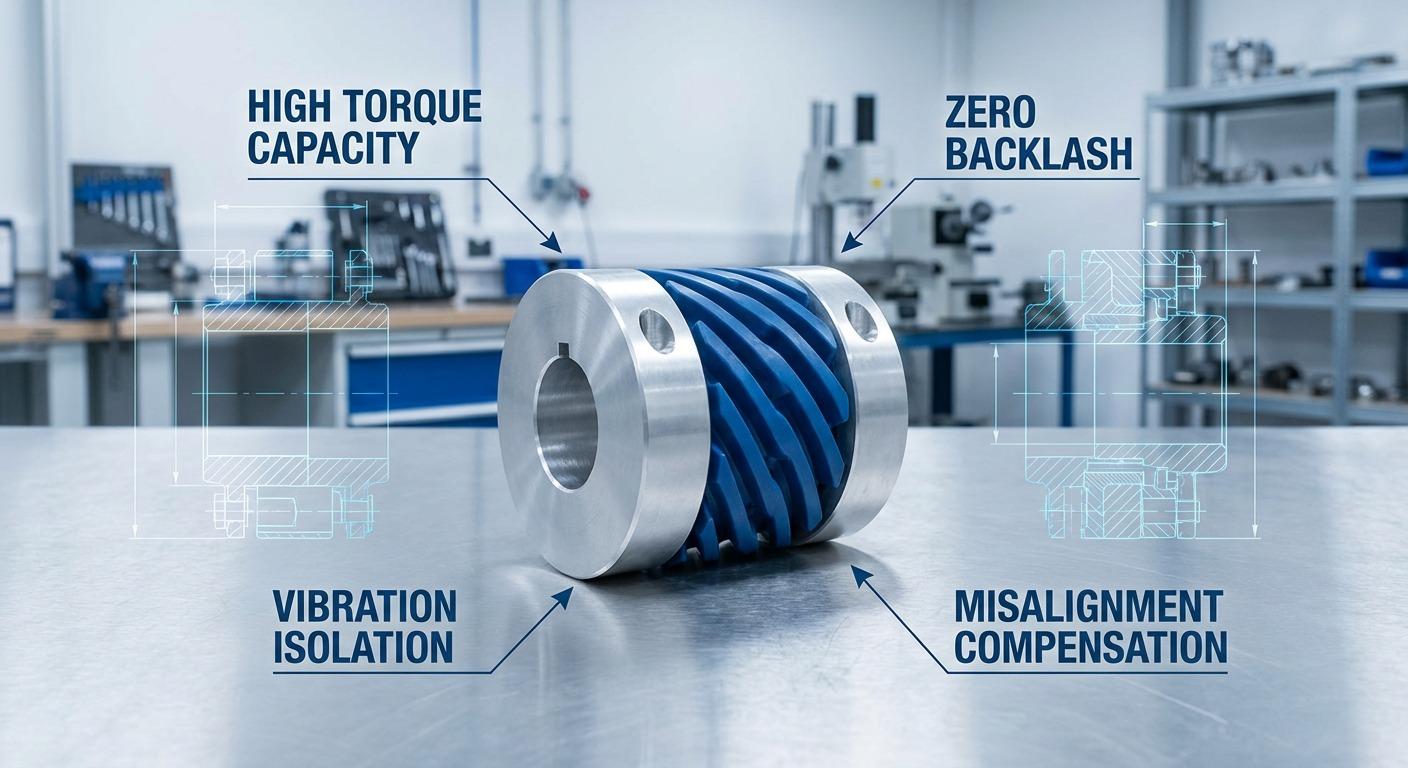
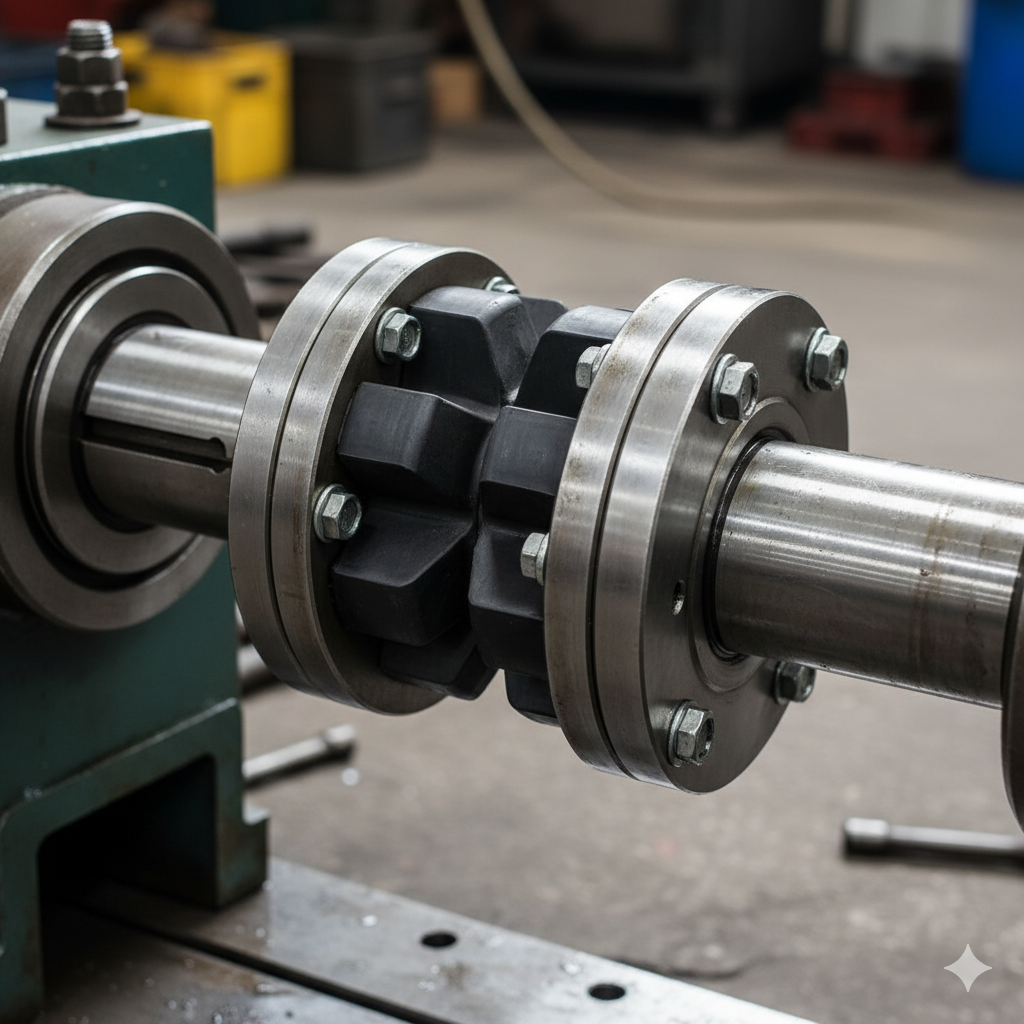
Elastic couplings work as shock absorbers between rotating shafts, compensating for angular, radial, and axial misalignments.
In traditional rigid systems, torque transmission was linear and unforgiving—any deviation led to bearing damage and vibration buildup.
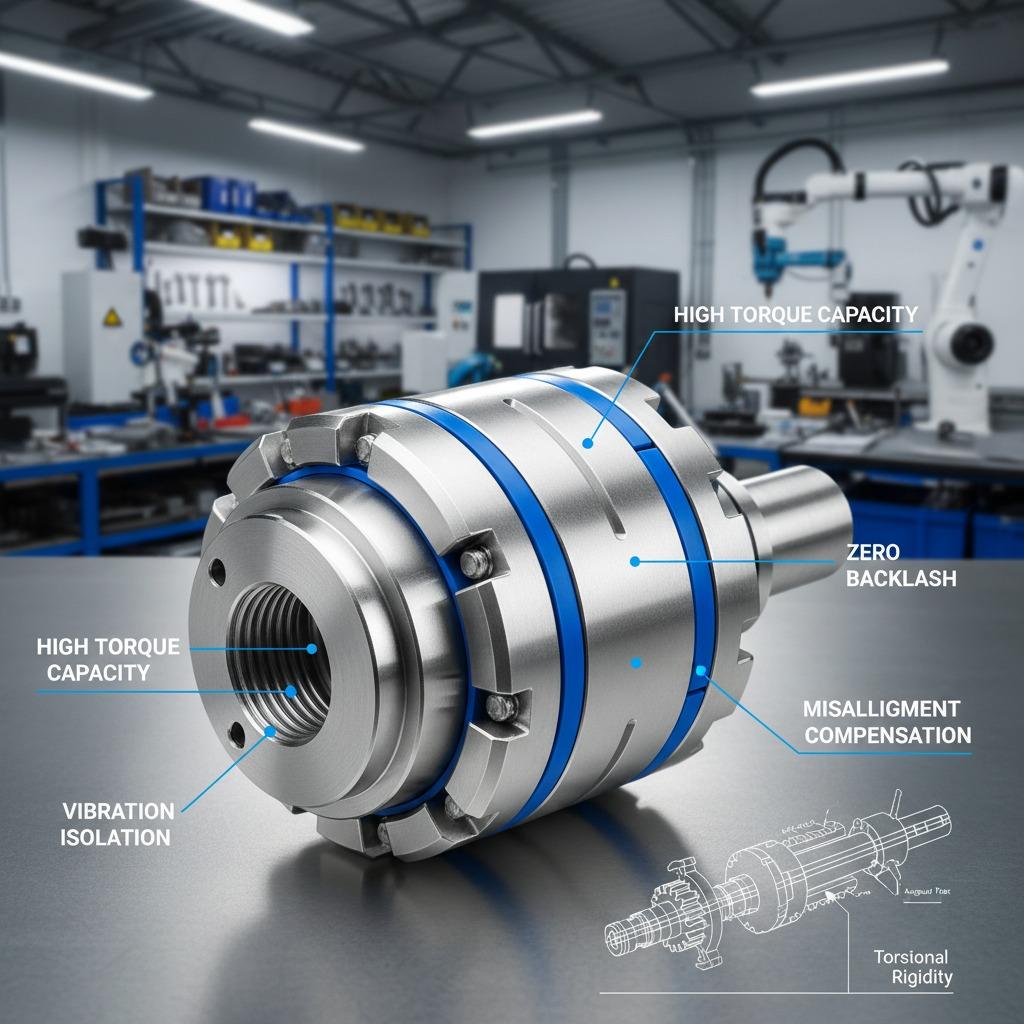
Elastic couplings, however, integrate elastomeric inserts or rubber composites, providing torsional elasticity and vibration damping.
This design principle allows machines to:
-
Maintain alignment under dynamic load variations
-
Reduce transmitted vibration and noise
-
Extend service life of connected components
-
Improve torque consistency across start–stop cycles
Studies from the Energy Systems Association (ESA) show that vibration damping through elastic couplings can increase equipment life by over 40%, particularly in high-speed or variable-load environments.
From Conventional Rigid Links to Elastic Systems: A Design Evolution
| Aspect | Rigid Coupling | Elastic Coupling (Dingjian System) |
|---|---|---|
| Alignment Tolerance | ≤0.05 mm | Up to 0.5 mm with torque stability |
| Vibration Control | Minimal | Built-in elastomer damping |
| Noise Level | High | Reduced by 25–40% |
| Maintenance | Frequent | Minimal, replaceable inserts |
| Energy Efficiency | Moderate | Enhanced torque transmission efficiency |
Unlike older mechanical joints, modern elastic coupling systems use advanced polymers and CNC-machined hubs to deliver higher flexibility without compromising torque capacity.
This transition marks a shift from “rigid endurance” to “smart adaptability”—a necessity in next-generation automated manufacturing.
Engineering Precision Meets Durability
Dingjian’s engineering process combines finite element analysis (FEA), multi-axis machining, and torque simulation testing.
Each coupling is validated under variable loads to ensure mechanical integrity across thousands of cycles.
Key engineering features include:
-
High-tensile elastomer cores for balanced torque damping
-
Dynamic balancing for high-speed applications (>10,000 RPM)
-
Surface-hardened hubs for wear and corrosion resistance
-
Modular insert replacement to extend operational lifespan
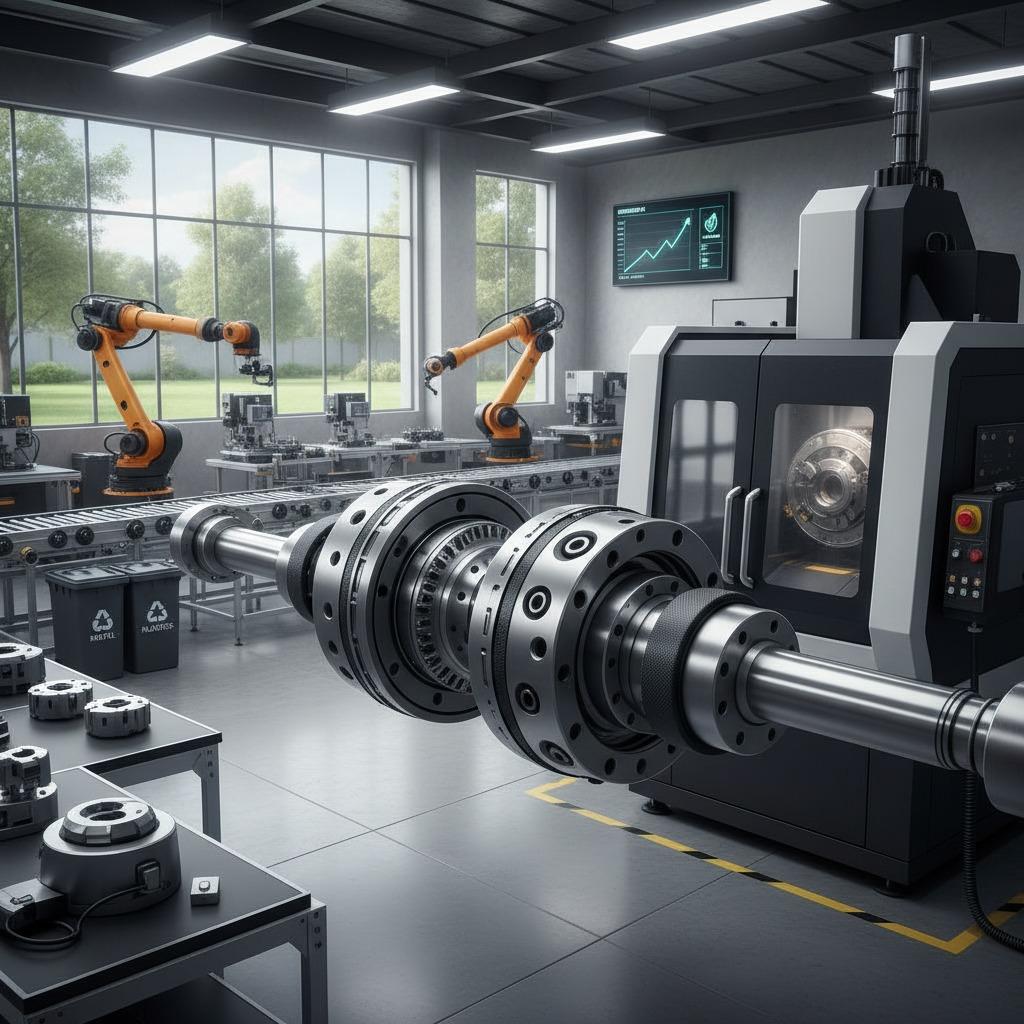
The result is a coupling that performs reliably in sectors such as robotics, conveyors, compressors, and packaging machinery—where motion precision defines profitability.
Industrial Applications and Real-World Value
Elastic couplings have broad versatility across heavy and precision industries:
-
Automation and robotics: ensuring smooth servo control and low backlash
-
Pumps and compressors: reducing startup torque shock and vibration
-
Textile and paper machinery: improving stability in continuous operations
-
Wind turbines: tolerating load fluctuation and direction reversal
Real-world testing demonstrates that Dingjian’s couplings reduce vibration-induced downtime by up to 30%, improving maintenance intervals and lowering total operating costs.
Selecting the Right Elastic Coupling for Your Machinery
Choosing the correct coupling depends on both mechanical and operational variables.
Here’s a simplified guide for engineers and procurement managers:
Ideal for:
-
Variable-speed drives and precision automation lines
-
Systems with frequent starts, stops, or load changes
-
Equipment operating in high-vibration environments
Key selection parameters:
-
Rated torque and misalignment range
-
Temperature and chemical resistance
-
Insert hardness (Shore A value) for damping performance
Avoid under-specification:
Selecting a coupling purely by size can cause torsional fatigue. Always verify torsional stiffness, service factor, and operational speed compatibility with your machinery.
Engineering FAQs: Practical Insights from the Field
Q1: What’s the primary difference between elastic and flexible couplings?
Elastic couplings rely on elastomer inserts for damping, while flexible metal couplings compensate through geometry. Elastic designs provide superior vibration absorption.
Q2: Can elastic couplings handle high torque?
Yes—modern designs support torque up to 25,000 Nm with proper hub material selection and FEA validation.
Q3: How long do elastomer inserts last under continuous operation?
Typically 2–3 years under balanced loads; replacements are quick and cost-effective.
Q4: What certifications support Dingjian’s export quality?
ISO9001:2015, CE compliance, and RoHS environmental standards—all verified for global market access.
Built for Efficiency, Engineered for Longevity
In industrial systems, precision is achieved not only through advanced machinery but through the connections that unite it.
By engineering elastic couplings that combine torque flexibility, energy efficiency, and long-term stability, Dingjian ensures smoother, safer, and more productive mechanical operations worldwide.
To explore OEM elastic coupling solutions or request technical consultation, visit the official homepage or reach out via the contact page.