
CNC Machine Rigid Coupling: Ensuring Accuracy and Stability in High-Speed Motion Systems
In CNC machining, torque precision and mechanical alignment directly determine product quality.
Even a minor rotational deviation between the motor and spindle can cause dimensional errors, vibration, or tool wear.
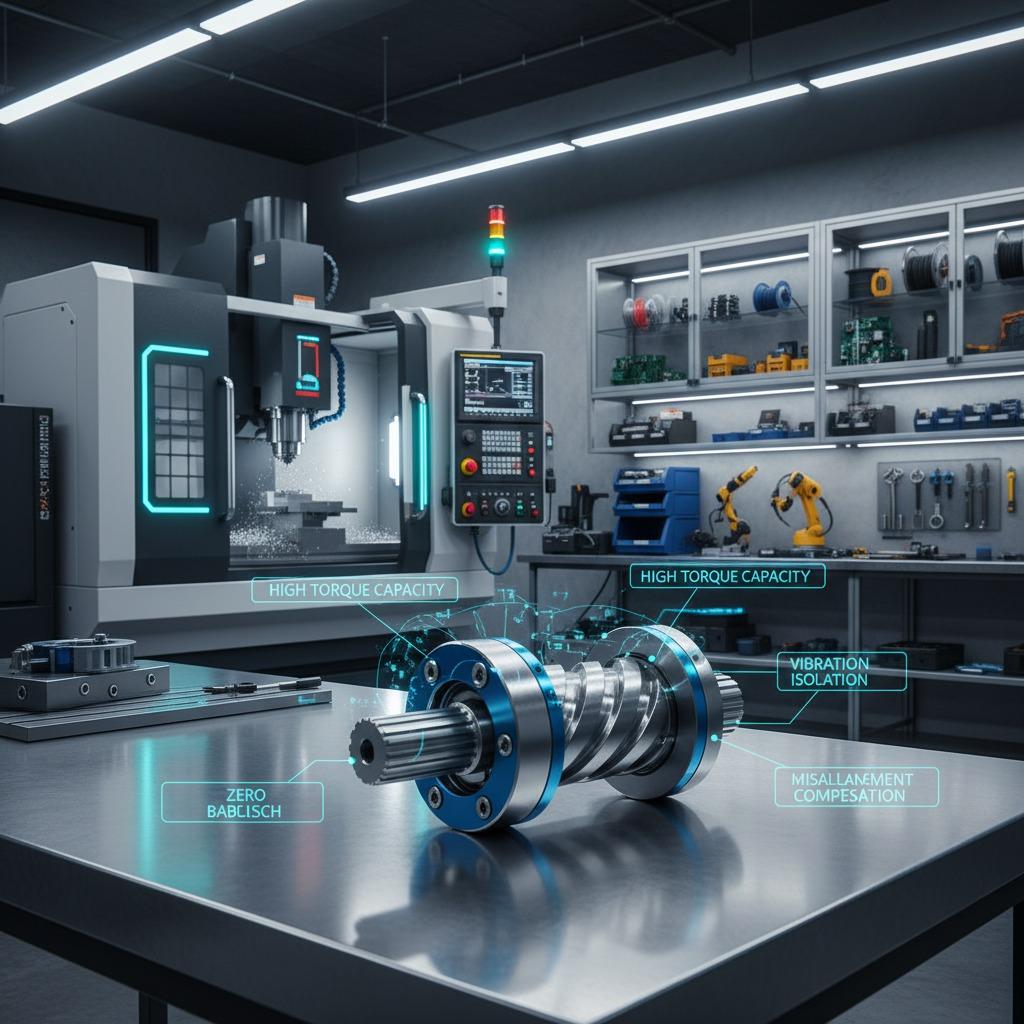
To eliminate these variables, manufacturers rely on CNC machine rigid couplings — components designed to transfer torque without deformation or backlash.
Dingjian specializes in rigid coupling systems that support high-speed, high-torque motion control across CNC, robotics, and automation lines.
Why Rigid Couplings Are Vital to CNC Precision
Unlike flexible couplings that absorb misalignment, rigid couplings enforce perfect shaft synchronization.
In CNC systems, this rigidity is essential to maintain micron-level positioning accuracy and consistent rotational velocity.
Core performance advantages include:
-
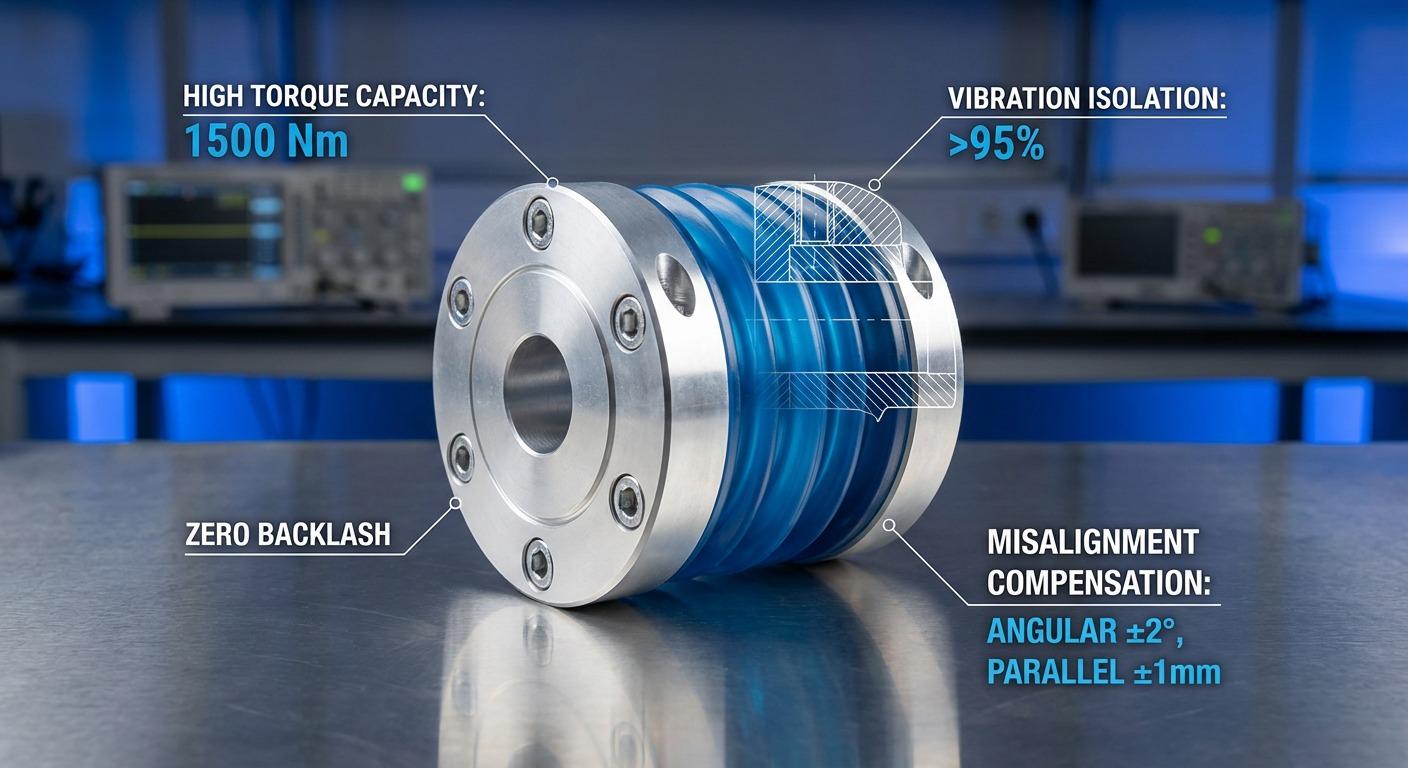
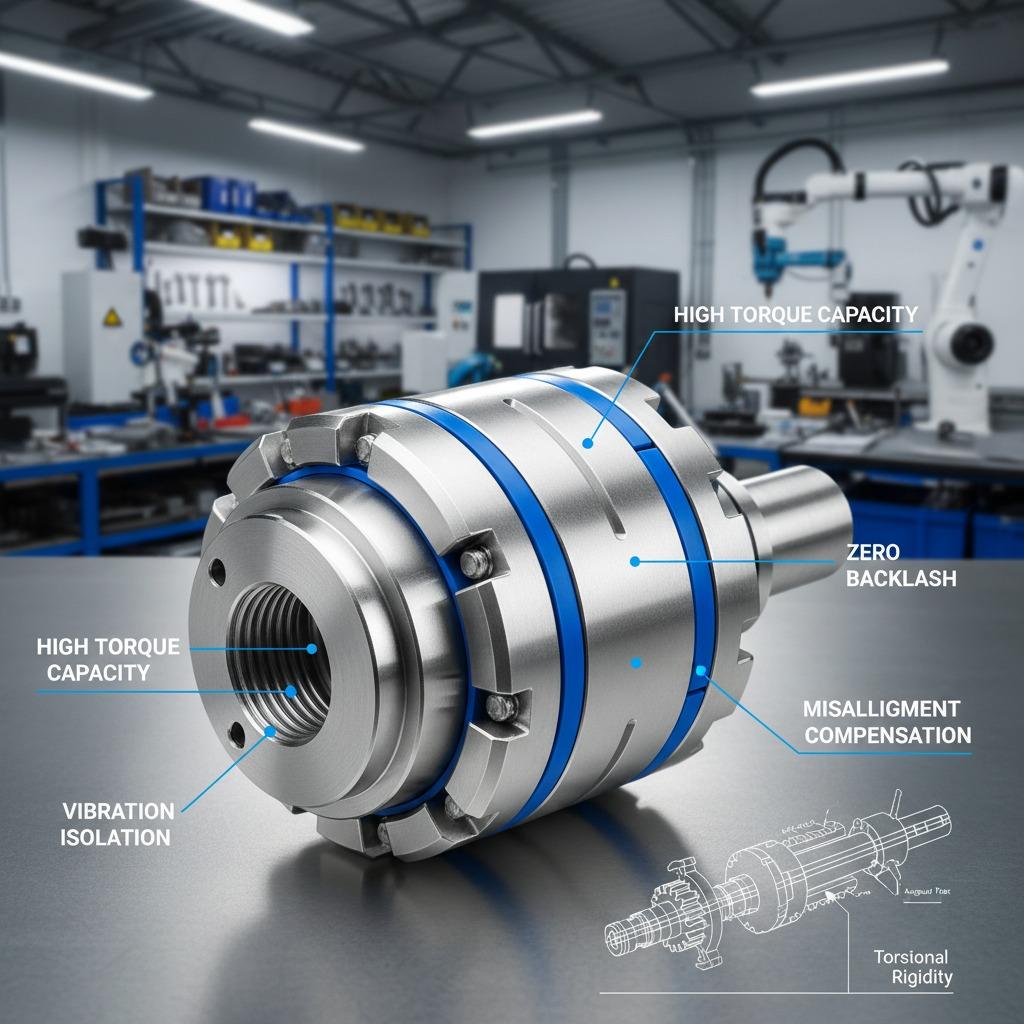
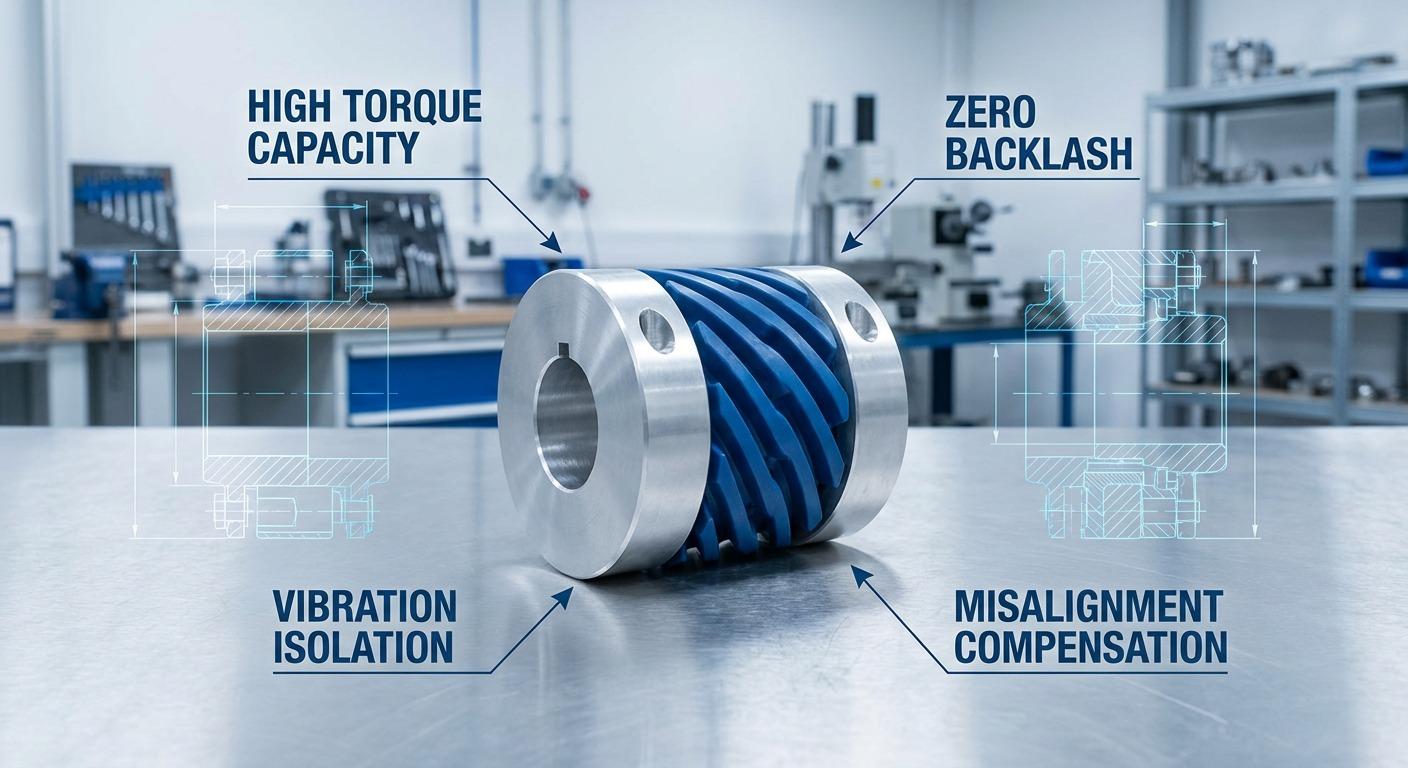
Zero backlash for accurate servo response
-
Uniform torque transfer across the entire rotational cycle
-
High torsional stiffness for quick acceleration and deceleration
-
Stable alignment minimizing bearing and spindle wear
When combined with precision installation, rigid couplings allow CNC machines to achieve stable motion even at 10,000 RPM.
Conventional Couplers vs. CNC-Optimized Rigid Systems
| Feature | Standard Coupler | Dingjian CNC Machine Rigid Coupling |
|---|---|---|
| Torsional Stiffness | Medium | Ultra-high rigidity for precision torque |
| Material | Mild steel | Aluminum alloy or stainless steel (42CrMo) |
| Backlash | Small gaps at load change | Zero-backlash under full torque |
| Dynamic Balance | Basic | G2.5 rated for CNC spindles |
| Operating Speed | ≤3000 RPM | ≥10,000 RPM sustained |
| Concentric Accuracy | ±0.05 mm | ≤0.01 mm CNC machined |
This difference in structural tolerance ensures tighter motion control and improved machining accuracy, especially in automated cutting and milling.
Engineering Principles Behind Dingjian Rigid Couplings
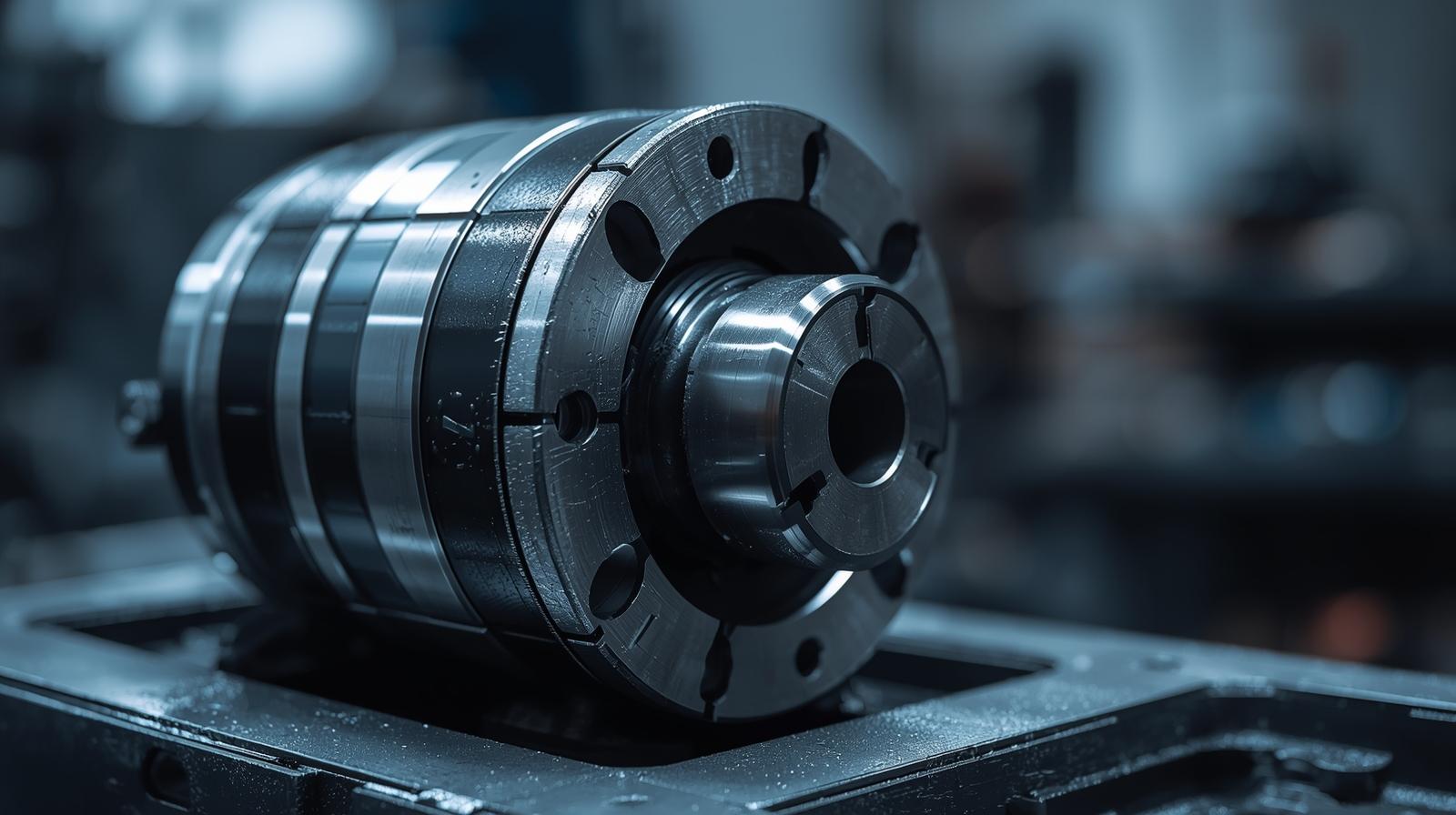
Each Dingjian rigid coupling is produced through precision machining and structural simulation to ensure flawless performance under rotational stress.
Key engineering features:
-
CNC-milled hub geometry – guarantees shaft centricity.
-
Dynamic balancing and vibration testing – ensures smooth high-speed rotation.
-
Hardened surface finishing – resists torsional wear and oxidation.
-
Equalized clamping bolts – distribute torque evenly to protect shaft ends.
-
Custom bore fit tolerance (H7/h6) – secures interference-free mounting.
This combination of design precision and material integrity ensures consistent torque transfer for years of industrial use.
Precision in Action: CNC Applications That Rely on Rigidity
Dingjian’s CNC rigid couplings are applied across a wide range of automation-driven manufacturing systems:
-
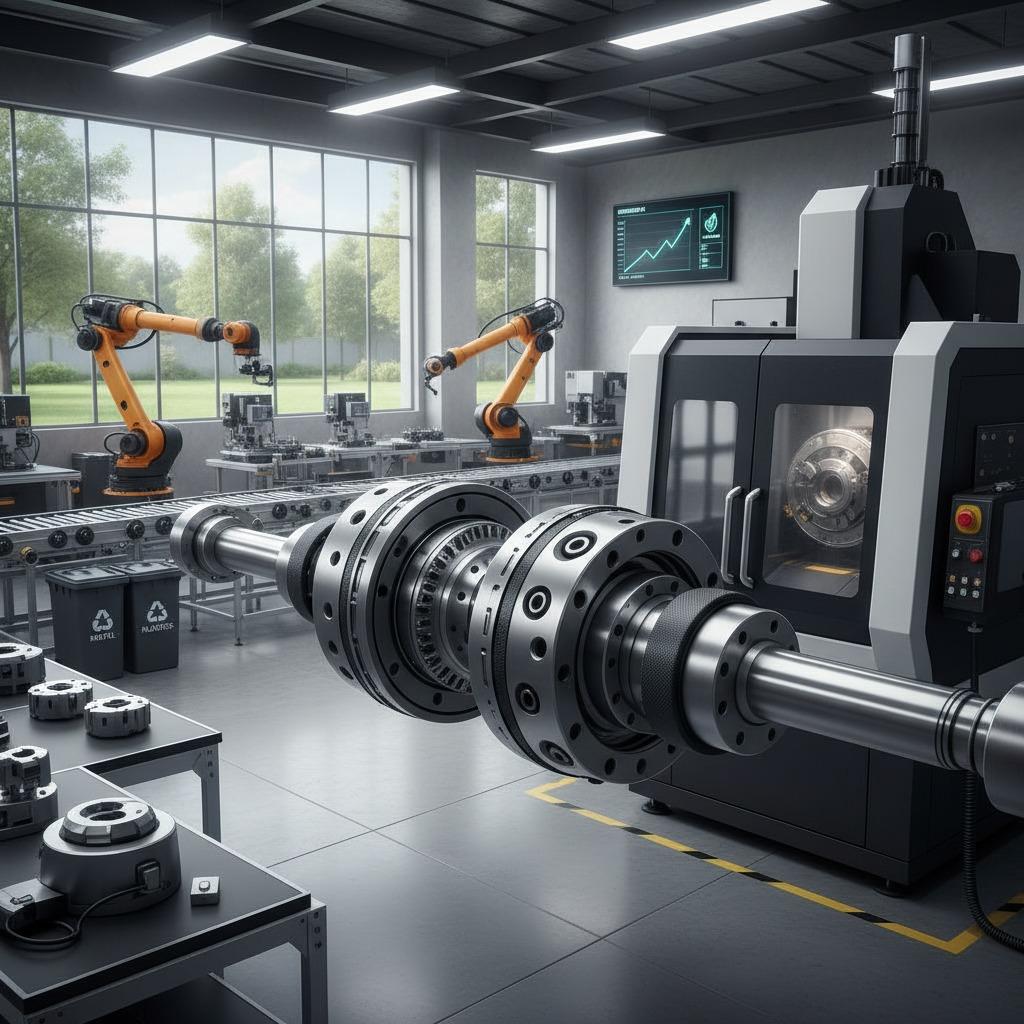
CNC milling and turning machines – ensures exact toolpath replication
-
Robotic manipulators – delivers smooth multi-axis coordination
-
Laser cutting systems – stabilizes high-speed optical movement
-
Automated assembly lines – supports consistent torque output
-
Precision inspection tools – eliminates rotational drift
By removing mechanical play and maintaining alignment, these couplings directly improve machining tolerance, repeatability, and surface finish quality.
Design and Material Optimization for Durability
Material innovation is a key part of Dingjian’s reliability standards:
-
High-tensile aluminum alloy: lightweight, vibration-damping for fast motion
-
42CrMo steel: superior strength for heavy-load CNC drives
-
Stainless steel: corrosion-resistant for humid or cleanroom conditions
In addition, Dingjian applies nitriding or black oxide coatings for surface hardness and aesthetic protection, extending service life even under high-duty cycles.
Selection Guide: Choosing the Right CNC Rigid Coupling
| Selection Factor | Description | Recommended Option |
|---|---|---|
| Motor Power | Rated torque and inertia | Use alloy steel coupling |
| Speed | Operating RPM | Choose dynamically balanced version |
| Mounting Space | Shaft length and clearance | Compact two-piece type |
| Environment | Dust, oil, or humidity | Nitrided or stainless version |
| Assembly Preference | Maintenance frequency | Clamping-style coupling |
Tip: For CNC systems running 24/7, pair the rigid coupling with precision alignment tools during installation to achieve optimum performance.
Common Questions About CNC Rigid Couplings
Q1: How does a rigid coupling affect CNC motion accuracy?
It ensures zero relative motion between shafts, eliminating backlash and tool offset.
Q2: Can Dingjian customize couplings for spindle-motor assemblies?
Yes, couplings can be tailored to fit specific bore sizes, torque ratings, and hub geometries.
Q3: Are couplings balanced for high-speed spindles?
Each unit undergoes ISO G2.5 dynamic balance testing.
Q4: How long do CNC rigid couplings last?
Typically over 20,000 operating hours under normal conditions.
Powering Precision Through Mechanical Perfection
Every micron matters in CNC machining — and Dingjian’s rigid couplings deliver the mechanical reliability needed to sustain accuracy.
Through fine-tolerance design, controlled torque flow, and verified dynamic balance, Dingjian ensures that each coupling becomes a silent enabler of precision in automated manufacturing.
To learn more or request a custom-engineered solution, please visit the official homepage or reach out via the contact page.