
In the world of mechanical engineering, the seamless transmission of power between shafts is a fundamental requirement for countless machines. A key component that makes this possible is the Rigid Coupling, a non-flexible connector designed to join two shafts for the precise transfer of torque and motion. Unlike flexible couplings, they do not accommodate misalignment, making them ideal for applications where shaft alignment is exact and maintaining torsional stiffness is paramount. Their simple yet robust construction ensures a solid, reliable connection that stands the test of time in demanding operational environments.
The effectiveness of these components hinges on a meticulous Rigid Coupling Design. Modern couplings are crafted from high-grade, durable materials like precision-engineered steel, providing significant resistance to wear and tear. A dark, polished finish is often applied not just for aesthetic appeal, but to offer an additional layer of corrosion resistance, ensuring longevity. The design focuses on practical application, featuring multiple precision-drilled holes for sturdy, high-torque bolts. This secure fastening solution guarantees structural integrity, facilitates straightforward assembly, and simplifies maintenance, which in turn reduces operational downtime and enhances productivity. The ultimate goal of the design is to achieve perfect alignment and unyielding strength.
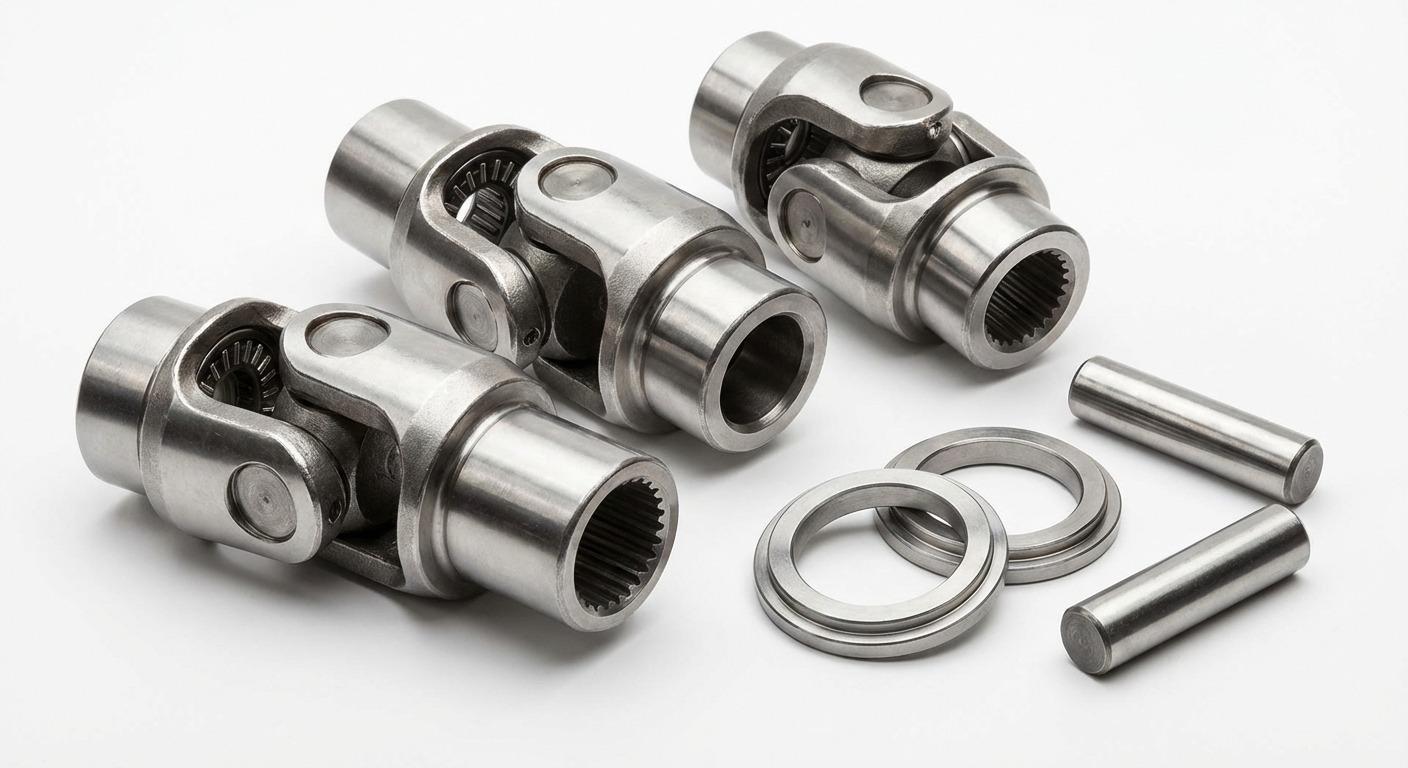
There are several Rigid Coupling Types, each suited for specific needs. Two prominent examples are clamping shell couplings and flange couplings. The clamping shell coupling is a sleek, cylindrical marvel that offers a secure grip through its advanced clamping mechanism. It is often a two-piece design that clamps around the shafts, providing a secure and stable connection that is easy to install and adjust. The flange coupling, on the other hand, consists of two separate flanges, one for each shaft end. These flanges are bolted together to form a solid connection. This type is known for its robust build, streamlined form that minimizes operational vibration, and a design that maximizes energy efficiency, making it perfect for heavy-duty machinery.
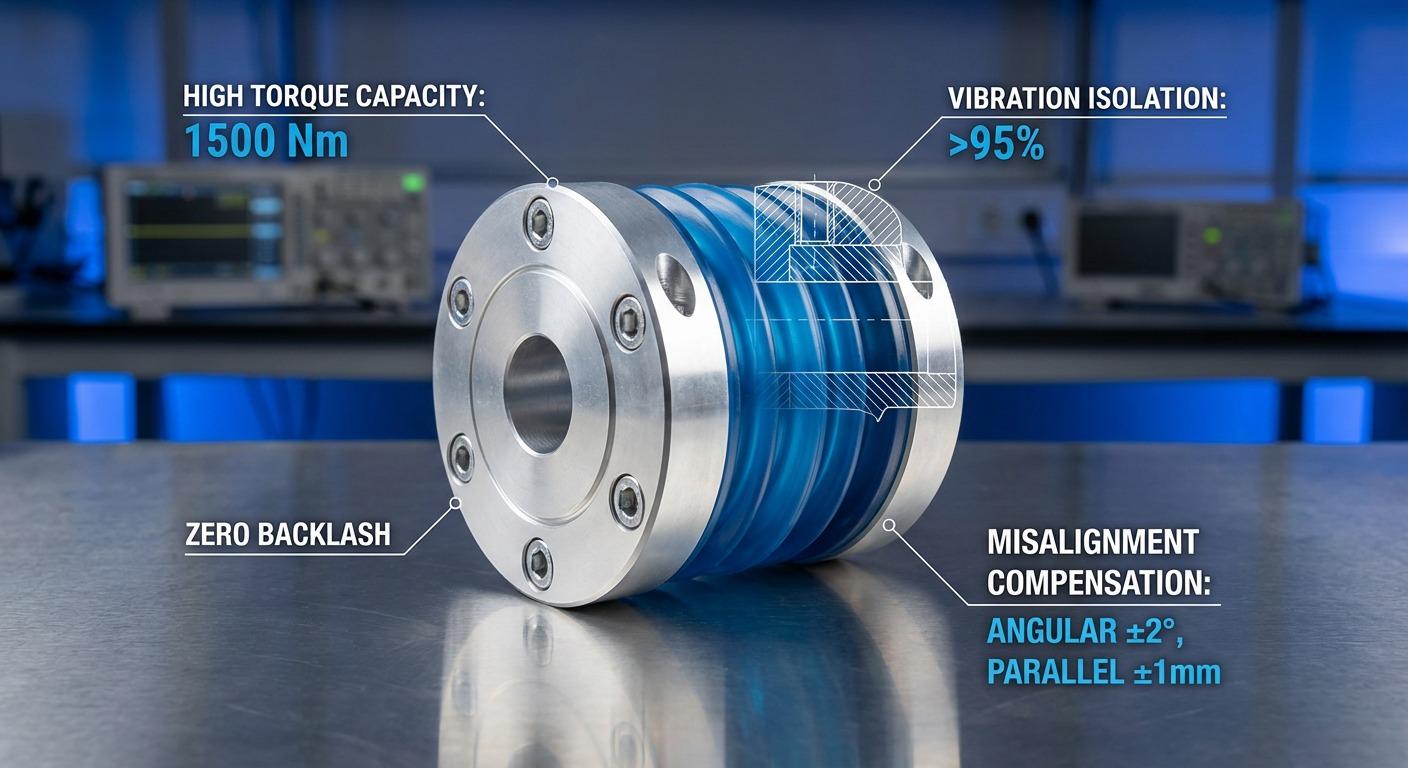
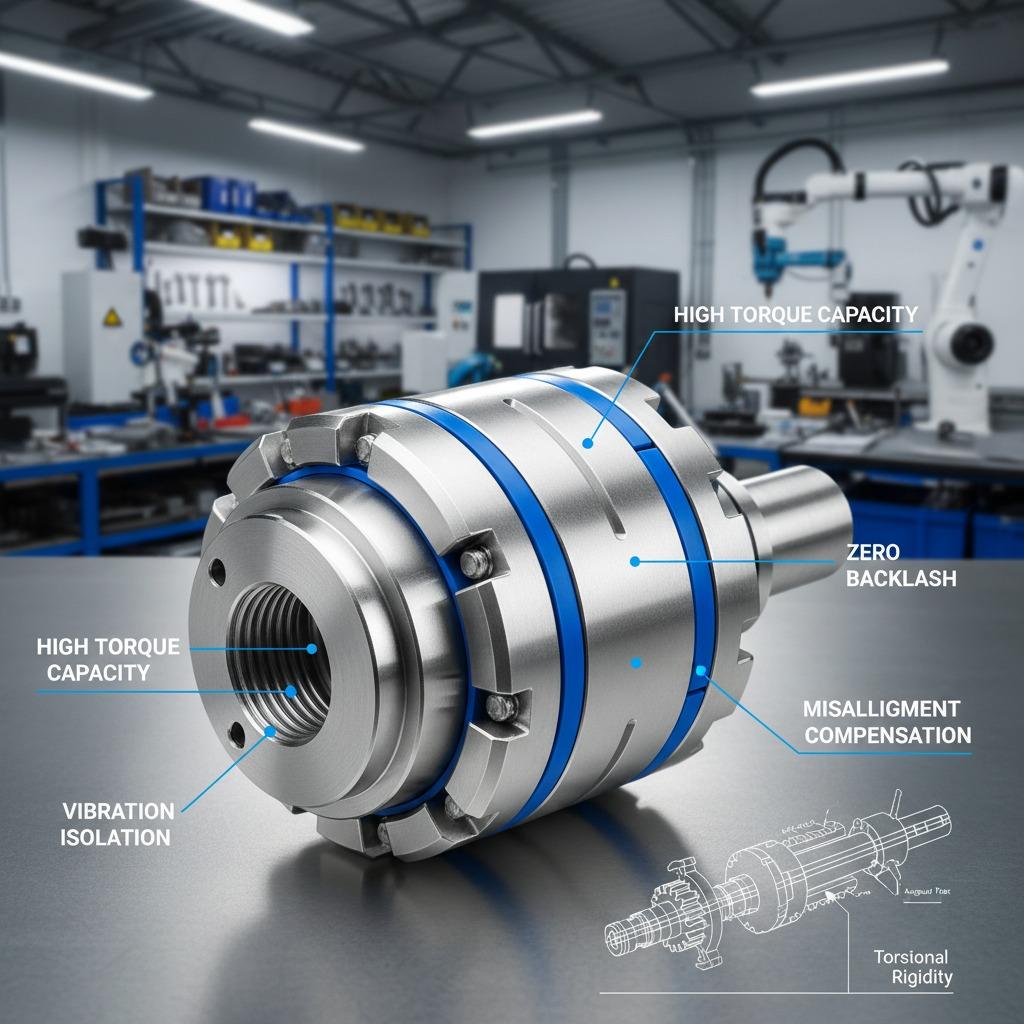
There are many Benefits of Rigid Coupling that make them a preferred choice in certain scenarios. Their primary advantage is their ability to transmit high levels of torque without slippage or power loss, thanks to their solid construction. This results in high torsional rigidity, which is crucial for applications requiring precise timing and motion control. They are generally less expensive and have a simpler construction than their flexible counterparts. Furthermore, their durability and resistance to wear and tear mean they have a long service life with minimal maintenance requirements, providing a cost-effective and reliable solution for power transmission.
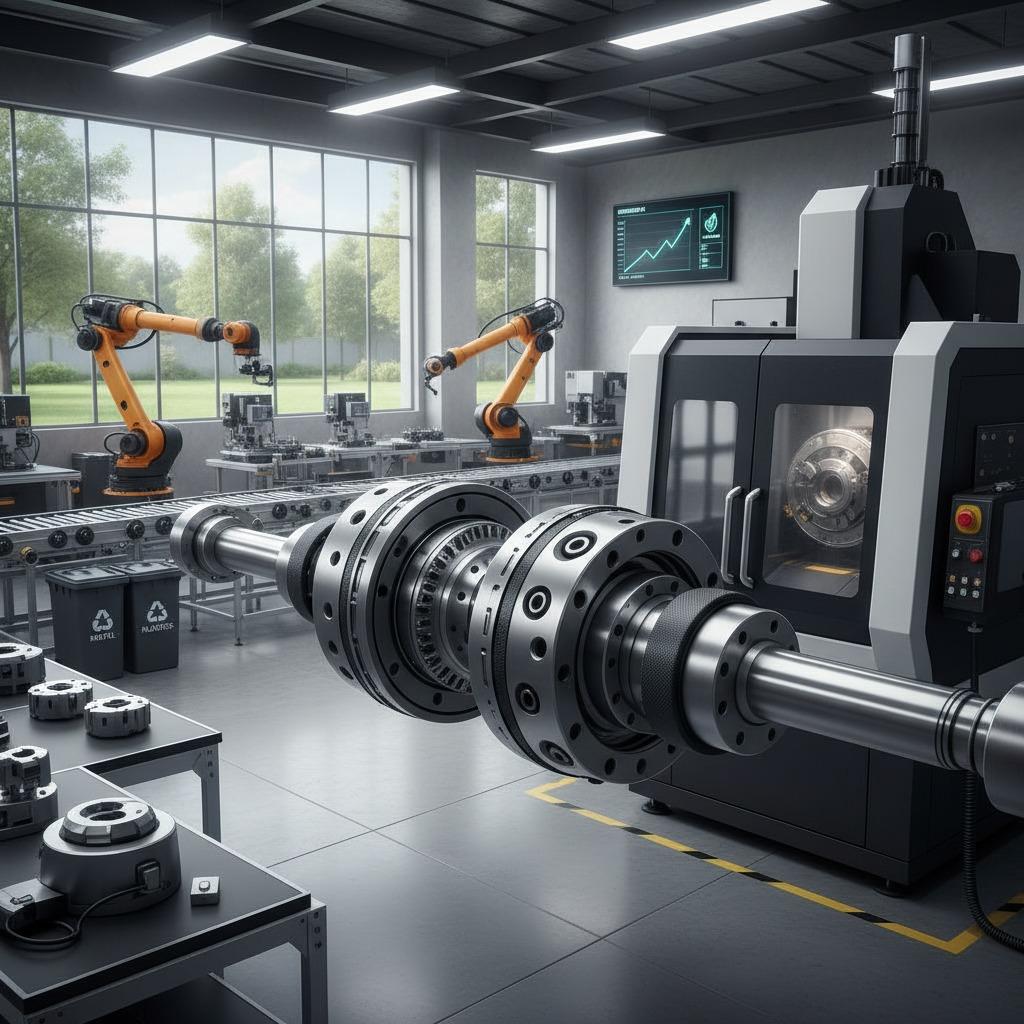
The use of an Industrial Rigid Coupling is widespread across numerous sectors due to its reliability and strength. Common Rigid Coupling Applications include connecting motors to gearboxes, linking pump shafts, and use in conveyor systems where precise shaft alignment can be maintained. Industries from automotive to aerospace and heavy-duty manufacturing rely on these components for robust connectivity. Whether in intricate manufacturing systems or large-scale machinery, these couplings provide steadfast performance and seamless integration of power transmission, proving essential for keeping complex operations running smoothly and efficiently.
Understanding Rigid Coupling Design
The effectiveness of these components hinges on a meticulous Rigid Coupling Design. Modern couplings are crafted from high-grade, durable materials like precision-engineered steel, providing significant resistance to wear and tear. A dark, polished finish is often applied not just for aesthetic appeal, but to offer an additional layer of corrosion resistance, ensuring longevity. The design focuses on practical application, featuring multiple precision-drilled holes for sturdy, high-torque bolts. This secure fastening solution guarantees structural integrity, facilitates straightforward assembly, and simplifies maintenance, which in turn reduces operational downtime and enhances productivity. The ultimate goal of the design is to achieve perfect alignment and unyielding strength.
Common Rigid Coupling Types
There are several Rigid Coupling Types, each suited for specific needs. Two prominent examples are clamping shell couplings and flange couplings. The clamping shell coupling is a sleek, cylindrical marvel that offers a secure grip through its advanced clamping mechanism. It is often a two-piece design that clamps around the shafts, providing a secure and stable connection that is easy to install and adjust. The flange coupling, on the other hand, consists of two separate flanges, one for each shaft end. These flanges are bolted together to form a solid connection. This type is known for its robust build, streamlined form that minimizes operational vibration, and a design that maximizes energy efficiency, making it perfect for heavy-duty machinery.
The Benefits of Rigid Coupling
There are many Benefits of Rigid Coupling that make them a preferred choice in certain scenarios. Their primary advantage is their ability to transmit high levels of torque without slippage or power loss, thanks to their solid construction. This results in high torsional rigidity, which is crucial for applications requiring precise timing and motion control. They are generally less expensive and have a simpler construction than their flexible counterparts. Furthermore, their durability and resistance to wear and tear mean they have a long service life with minimal maintenance requirements, providing a cost-effective and reliable solution for power transmission.
Diverse Industrial Rigid Coupling Applications
The use of an Industrial Rigid Coupling is widespread across numerous sectors due to its reliability and strength. Common Rigid Coupling Applications include connecting motors to gearboxes, linking pump shafts, and use in conveyor systems where precise shaft alignment can be maintained. Industries from automotive to aerospace and heavy-duty manufacturing rely on these components for robust connectivity. Whether in intricate manufacturing systems or large-scale machinery, these couplings provide steadfast performance and seamless integration of power transmission, proving essential for keeping complex operations running smoothly and efficiently.