
Torque-Resistant Elastic Coupling Supplier: Reinforcing Power Systems for Heavy Industry
Industrial machinery often operates under unpredictable torque surges, vibration, and misalignment.
In these demanding conditions, maintaining precise power transfer without overloading shafts or bearings is critical.
That’s where torque-resistant elastic couplings come into play — engineered to absorb torsional impact, stabilize motion, and extend machinery life.
As a specialized torque-resistant elastic coupling supplier, Dingjian delivers solutions that support consistent power transmission across high-stress environments like metallurgy, mining, and material handling.
The Engineering Principle Behind Torque-Resistant Elastic Couplings
These couplings combine elasticity with mechanical resilience to manage fluctuating torque.
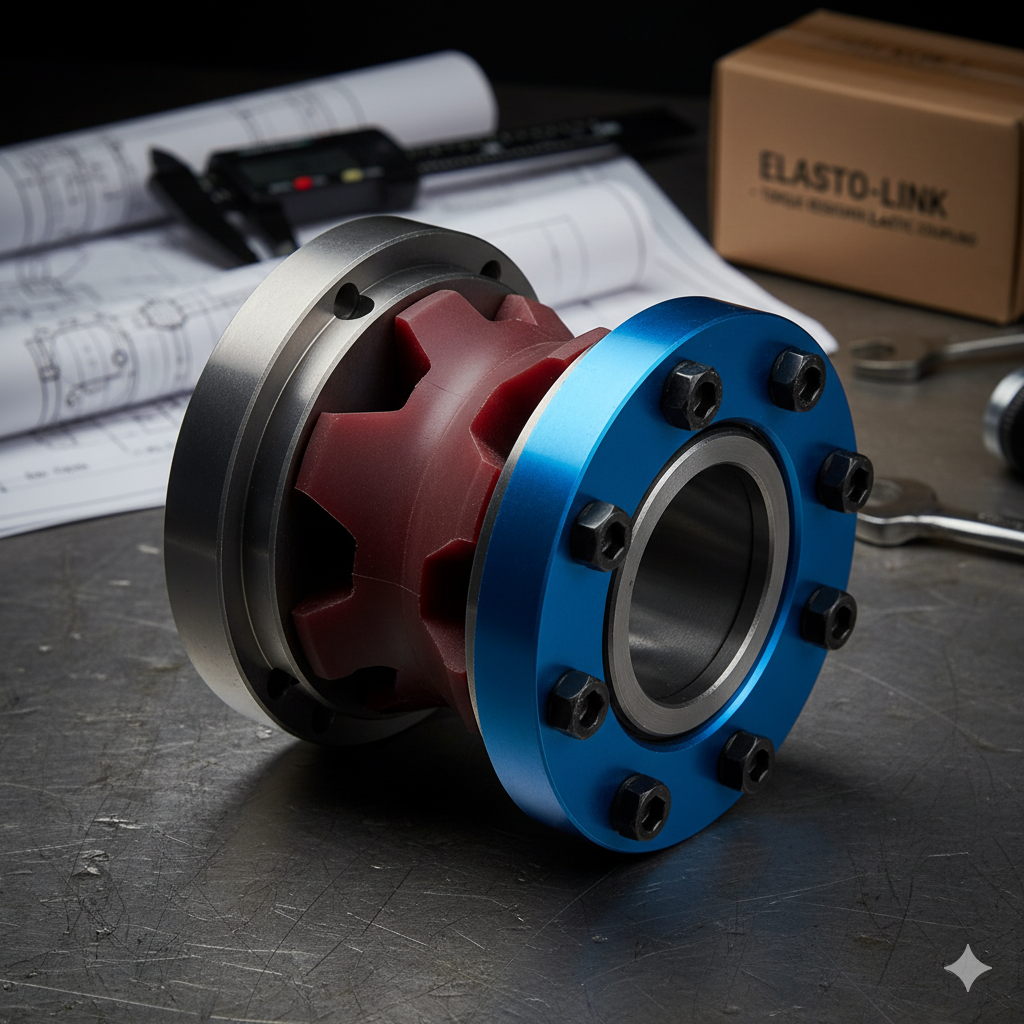
A steel or polymer elastic element connects two hubs, flexing slightly under stress while maintaining rotational accuracy.
Core Mechanisms:
-
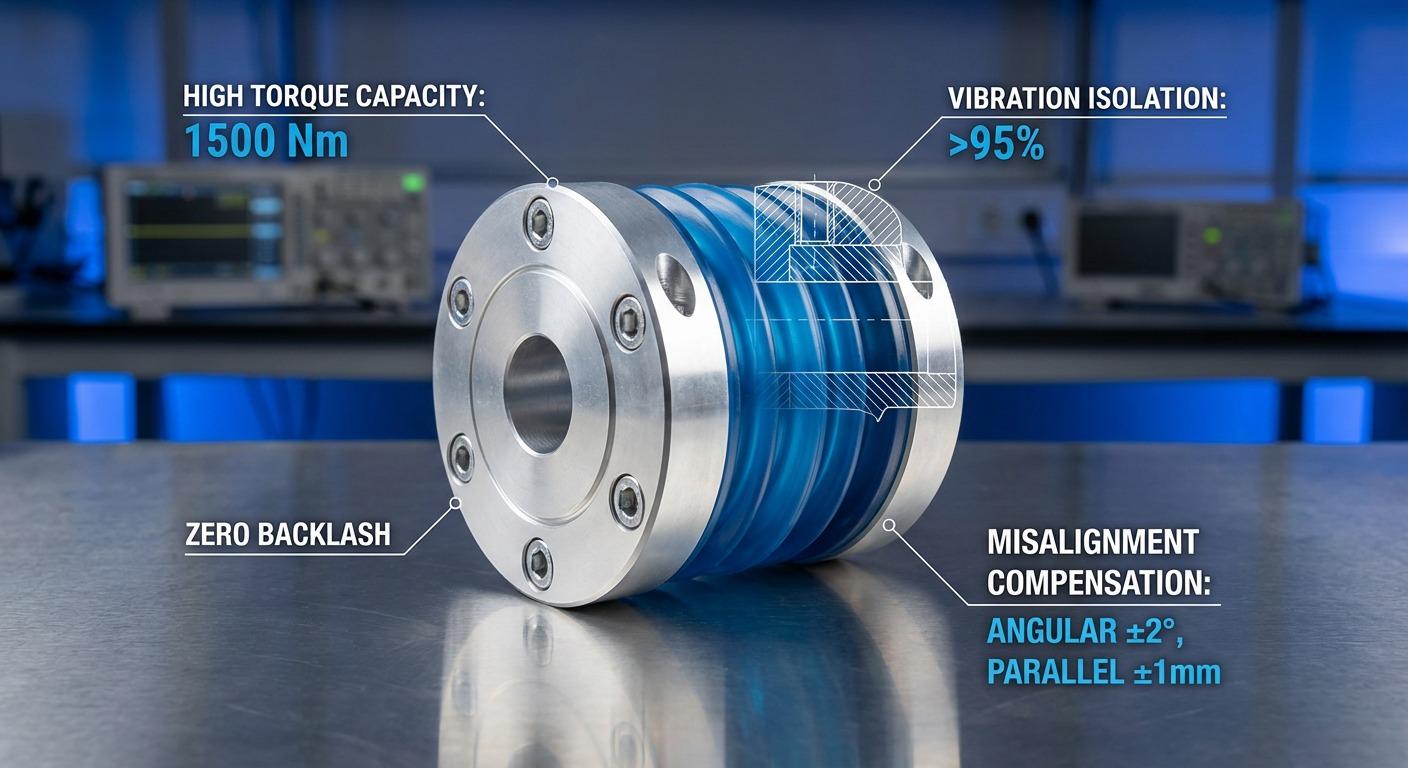
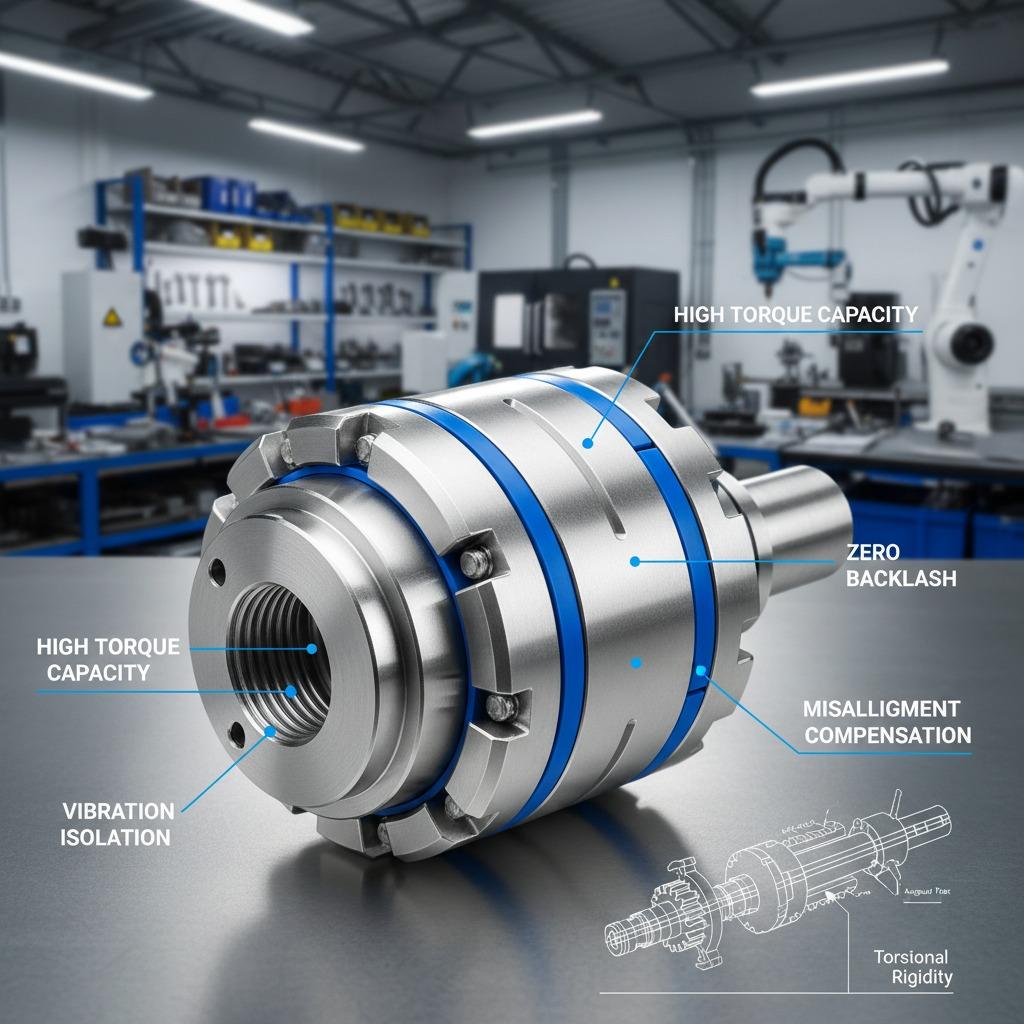
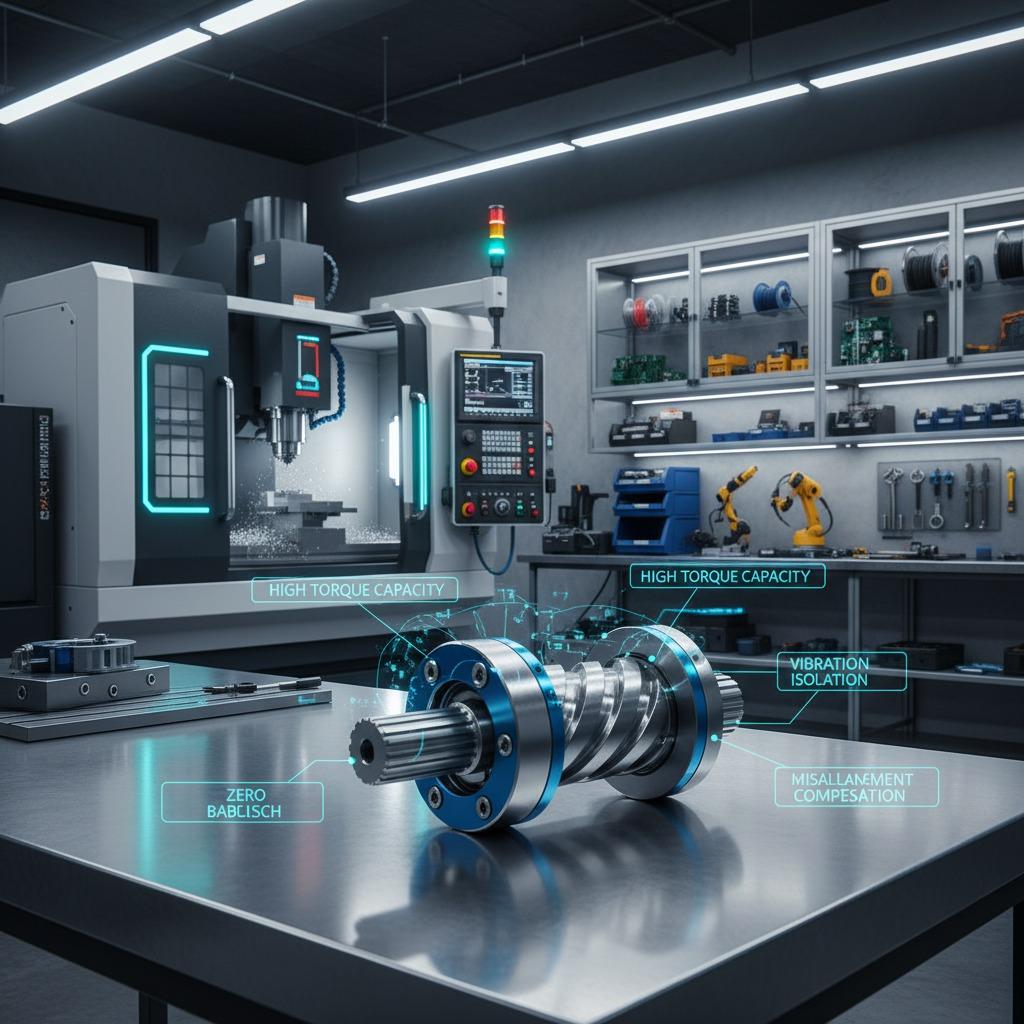
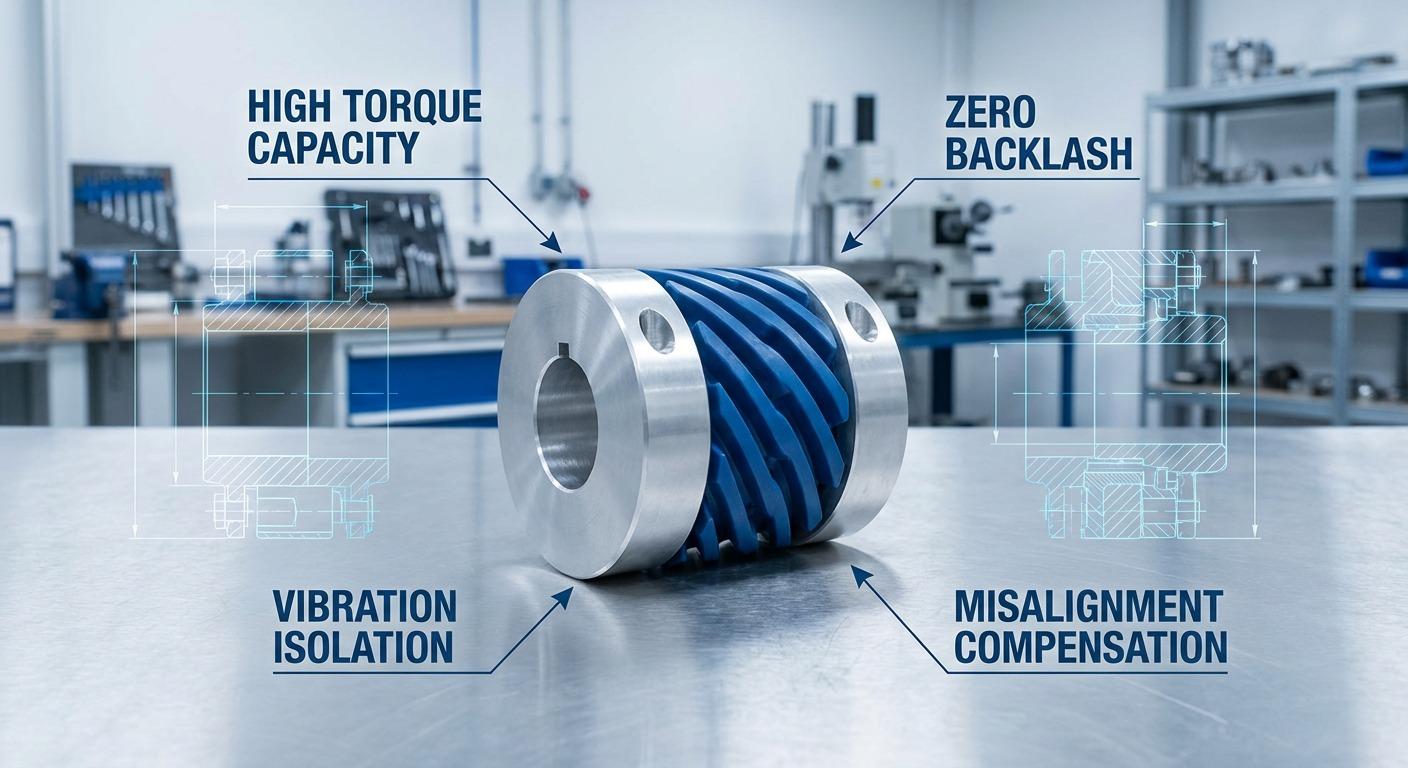
Torsional flexibility: compensates for shock loads during start-stop operations.
-
Vibration isolation: minimizes resonance between driving and driven shafts.
-
High torque tolerance: prevents shaft damage under sudden overload.
-
Fatigue resistance: elastic materials absorb repeated impact without deformation.
By dissipating vibration energy through flexible components, these couplings significantly reduce downtime and maintenance frequency.
Conventional Couplings vs. Torque-Resistant Elastic Types
| Feature | Conventional Rigid Coupling | Torque-Resistant Elastic Coupling |
|---|---|---|
| Torque Absorption | None | Up to 25% load fluctuation control |
| Vibration Damping | Poor | Excellent torsional damping |
| Alignment Compensation | Minimal | ±1.5° angular / 0.5 mm parallel |
| Material | Cast steel / iron | Alloy steel + elastic polymer grid |
| Maintenance Cycle | 3–6 months | 12+ months under normal operation |
Compared to rigid or semi-flexible types, Dingjian’s elastic couplings maintain torque stability even in variable load machinery, providing both strength and resilience.
How Dingjian Enhances Torque Reliability
To meet the complex torque demands of heavy-duty motors and transmission systems, Dingjian employs advanced analysis and precision manufacturing.
Engineering Enhancements Include:
-
Finite Element Analysis (FEA): to simulate load distribution and torsional stress.
-
Custom Elastic Element Formulation: rubber or polymer blends optimized for temperature and torque response.
-
Dynamic Balancing Technology: ensures stability at rotational speeds up to 10,000 RPM.
-
Sealed Grease System: eliminates contamination and ensures consistent lubrication.
-
Corrosion-Resistant Surface Treatment: for outdoor or marine power transmission applications.
Each coupling undergoes torque endurance and fatigue testing to verify performance under extreme industrial conditions.
Managing Torque in Every Environment
| Industry | Common Equipment | Performance Benefit |
|---|---|---|
| Metallurgy | Rolling mills, presses | High torque absorption and misalignment tolerance |
| Mining & Excavation | Crushers, conveyors | Shock resistance and continuous torque control |
| Power Generation | Compressors, turbines | Stable rotation and vibration control |
| Material Handling | Cranes, hoists | Smooth torque transfer with overload protection |
| Cement & Construction | Mixers, rotary systems | Extended life and reduced maintenance costs |
These use cases highlight how torque-resistant couplings ensure system integrity and uptime even under dynamic or shock-prone loads.
Selecting the Right Torque-Resistant Coupling
| Working Condition | Recommended Type | Technical Benefit |
|---|---|---|
| High-Torque Impact Loads | Reinforced elastic grid | Prevents overload breakage |
| Variable-Speed Machinery | Elastomeric insert coupling | Steady torque with low vibration |
| Corrosive or Outdoor Environment | Sealed and coated hub | Long-term rust prevention |
| Compact Installation Spaces | Split-hub design | Quick assembly and inspection |
When selecting a coupling, engineers should analyze torque range, speed variability, and alignment tolerance to achieve optimal durability and safety. Dingjian’s OEM service helps match couplings to each project’s torque and environmental requirements.
Frequently Asked Questions
Q1: What makes torque-resistant couplings ideal for heavy machinery?
A1: They handle dynamic torque surges and vibration, preventing shaft fatigue and transmission failure.
Q2: How often should torque-resistant elastic couplings be maintained?
A2: Maintenance every 5,000 operational hours or annually is sufficient under normal conditions.
Q3: Can these couplings operate under both forward and reverse rotation?
A3: Yes, the symmetrical elastic grid design enables bidirectional torque transfer.
Q4: Are OEM customization and material upgrades available?
A4: Dingjian offers OEM options, including different polymers, metal alloys, and hub geometries.
Built for Torque, Designed for Longevity
In demanding industrial systems, every shaft connection matters.
Through precision design and torque-resistant materials, Dingjian delivers elastic couplings that combine strength, flexibility, and endurance.
Whether powering cranes, mills, or compressors, these couplings safeguard performance under the toughest load conditions.
To explore tailored torque transmission solutions, visit the official homepage or contact the team via the contact page.