
Understanding the Role of a Rigid Coupling in Modern Machinery
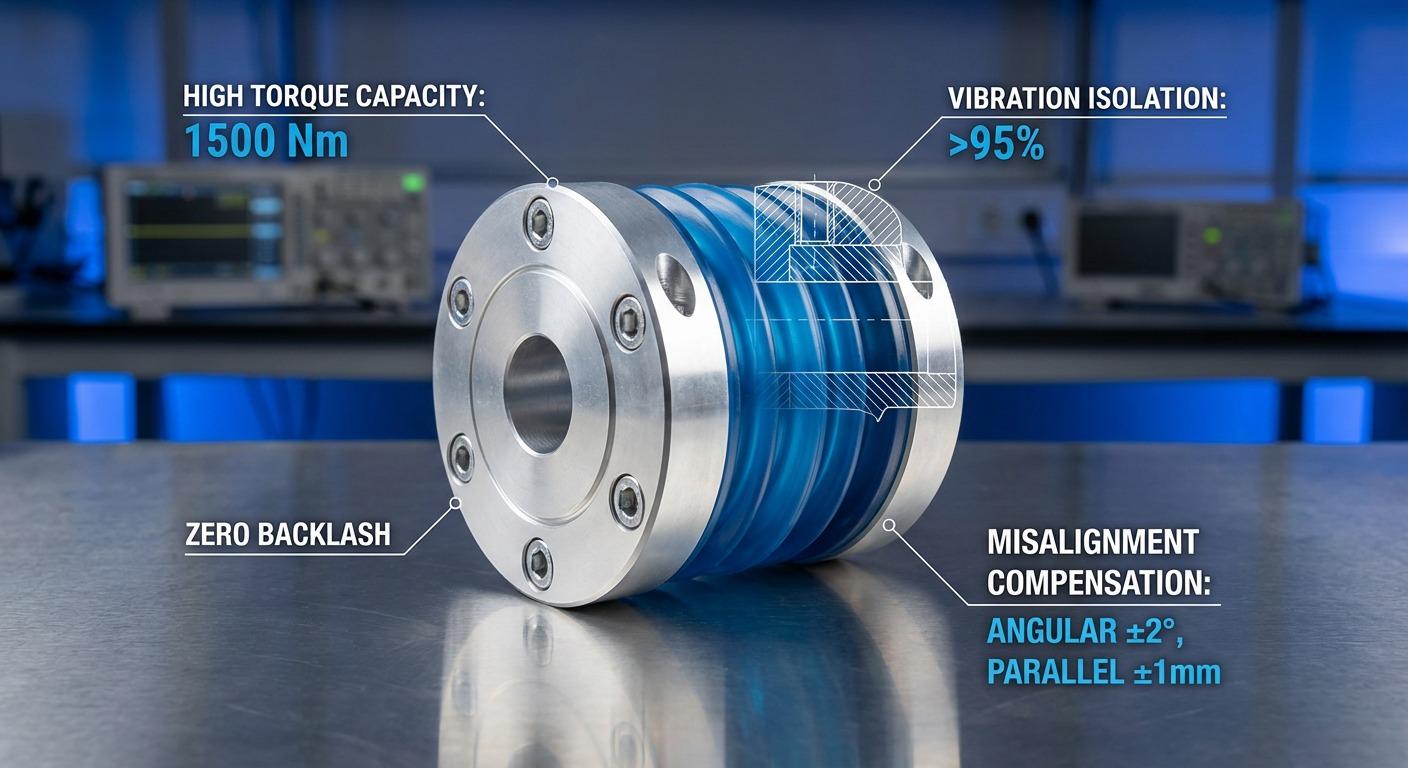
In the world of mechanical engineering, the precise and efficient transmission of power between rotating shafts is a fundamental requirement. A Rigid Coupling is a crucial component designed specifically for this purpose. Unlike flexible couplings, which accommodate misalignment, a rigid coupling creates a solid, unyielding connection between two shafts, ensuring they act as a single, continuous unit. This characteristic makes them essential in applications where exact alignment is critical and can be maintained. Their simple yet robust construction allows for the direct transfer of torque with zero backlash, providing a high degree of torsional stiffness and reliability in demanding operational environments.
Exploring Common Rigid Coupling Types and Design
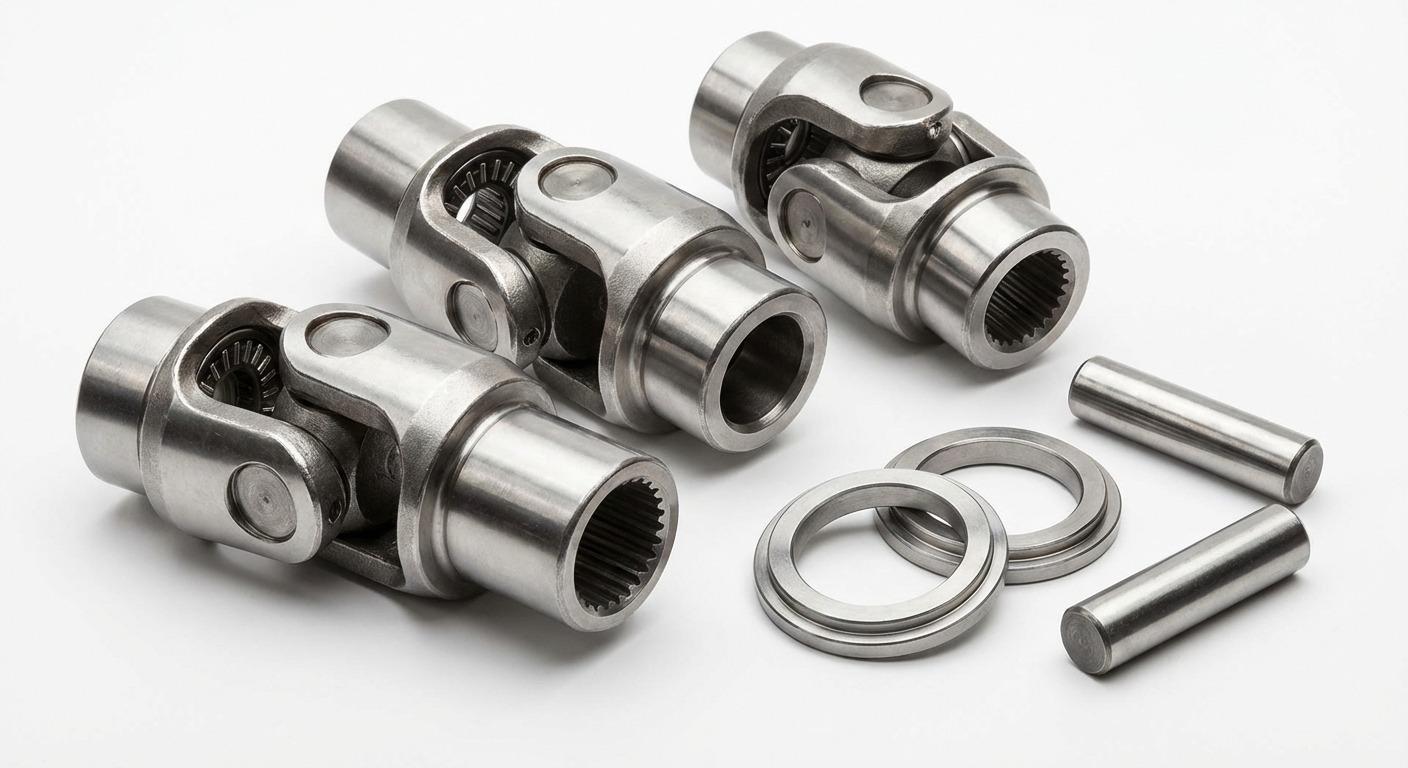
The effectiveness of these components is evident in their various forms. Common Rigid Coupling Types include sleeve or muff couplings, clamp or split-muff couplings, and flanged couplings. The Clamp Shell Coupling, for instance, showcases an innovative Rigid Coupling Design. Its body is split into two halves, which allows for remarkably easy installation and maintenance without needing to move the connected machinery. High-strength screws secure the halves, ensuring a firm grip and optimal torque transmission. Another powerful example is the flanged coupling. This design consists of two interlocking disc-shaped flanges that are bolted together. This method creates an exceptionally secure connection capable of handling high torque loads, making it a staple in heavy-duty industrial settings. Both designs emphasize precision engineering, robust materials, and finishes that resist corrosion and wear.
Key Rigid Coupling Applications Across Industries
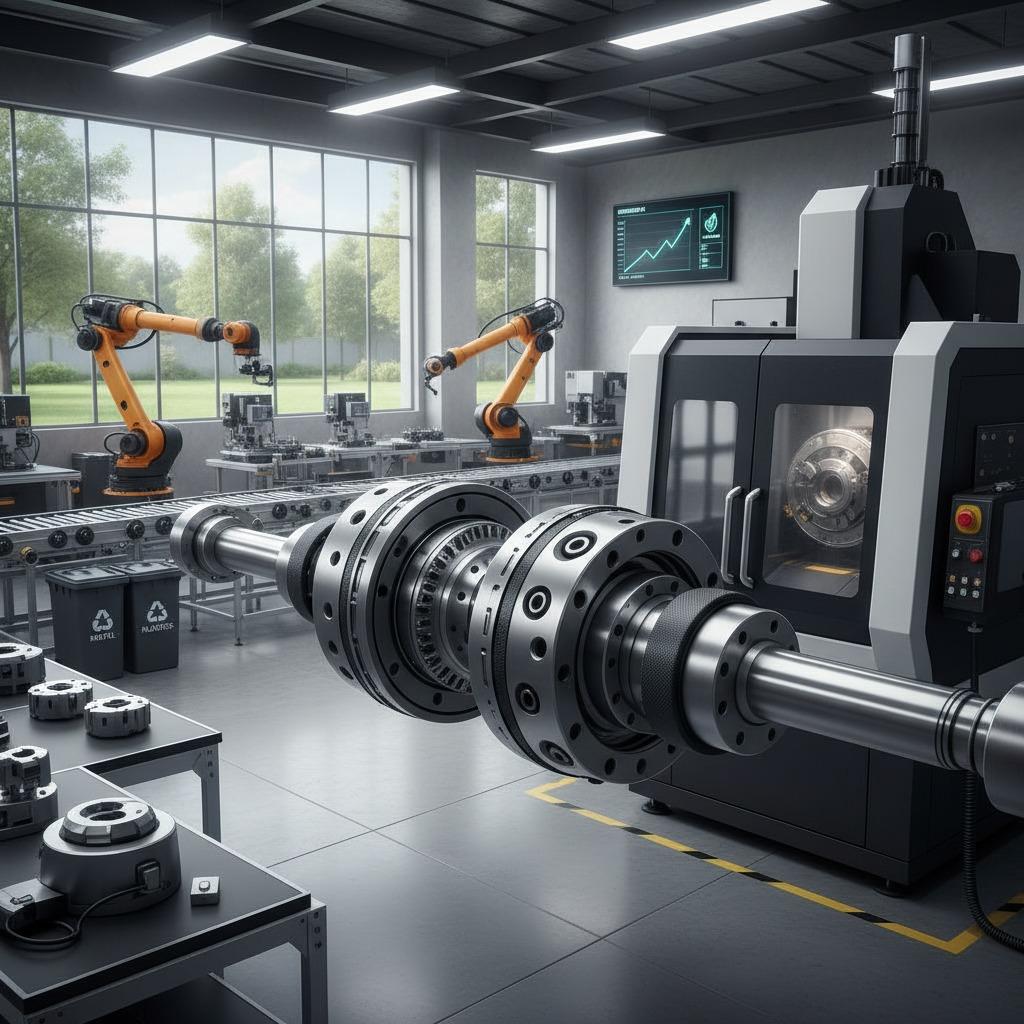
The demand for precise power transmission makes Rigid Coupling Applications widespread across numerous sectors. In manufacturing and robotics, where accuracy is paramount, these couplings ensure that automated systems operate with the required precision. You will find the Industrial Rigid Coupling in conveyor systems, mixers, and pumps, where maintaining shaft alignment is key to operational efficiency and longevity. The energy and transport sectors also rely heavily on them for connecting motors, generators, and propeller shafts. Their ability to transmit torque without loss or dampening is invaluable in high-performance systems where every bit of power counts, contributing to smoother, quieter, and more efficient overall performance.
The Primary Benefits of Rigid Coupling Integration
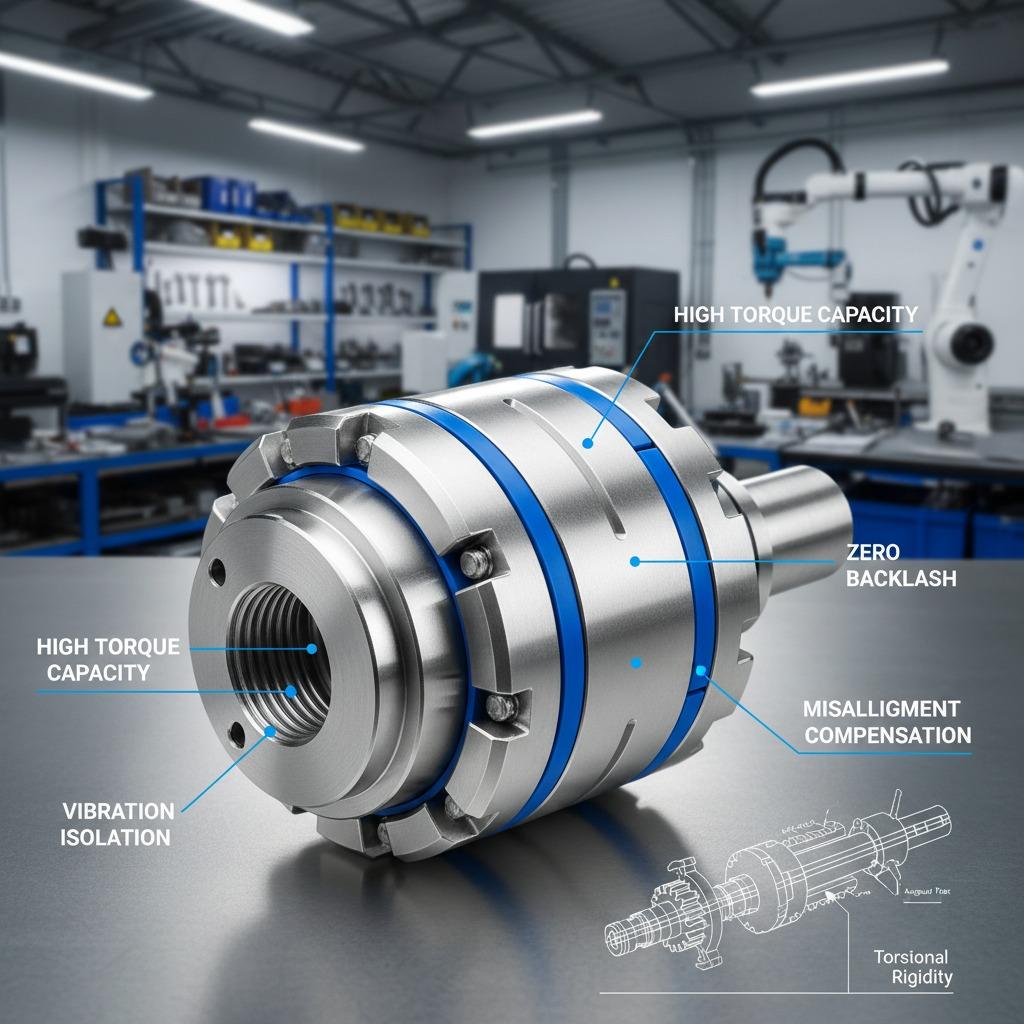
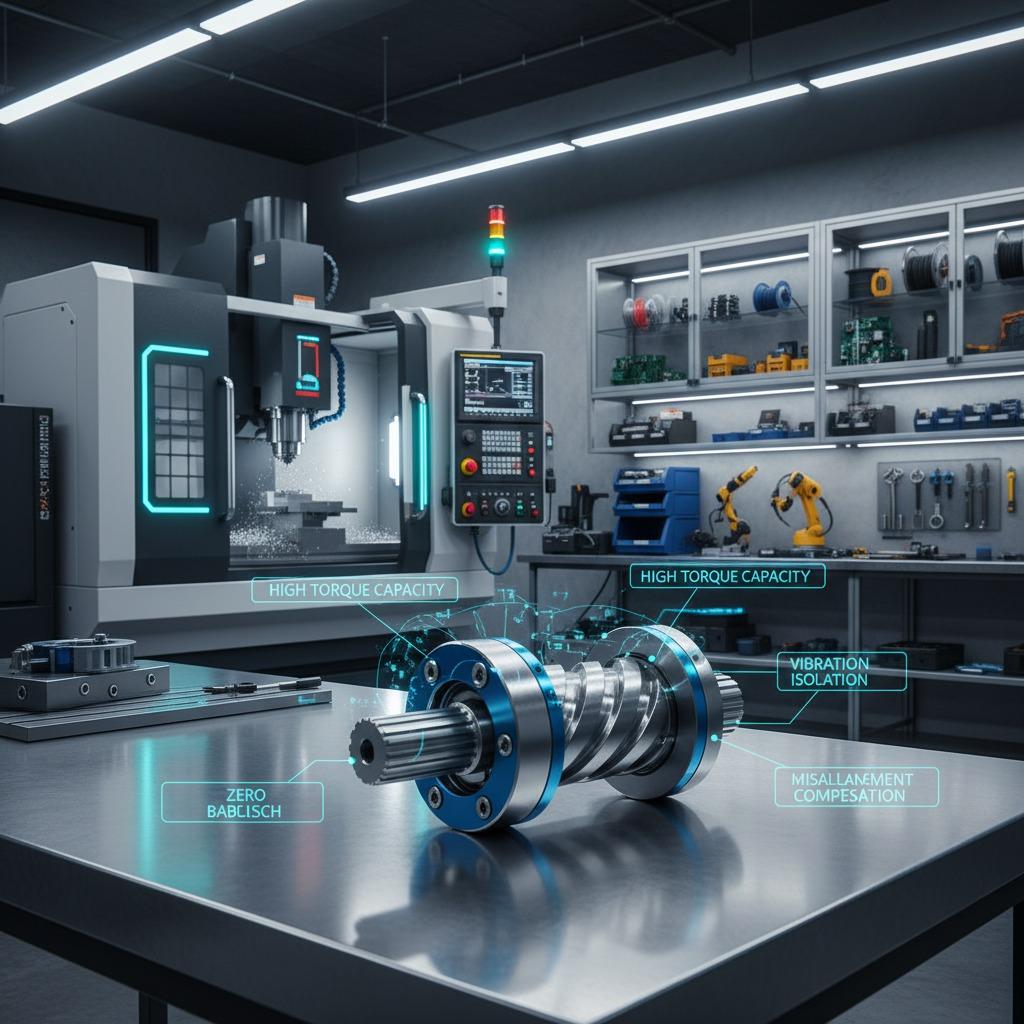
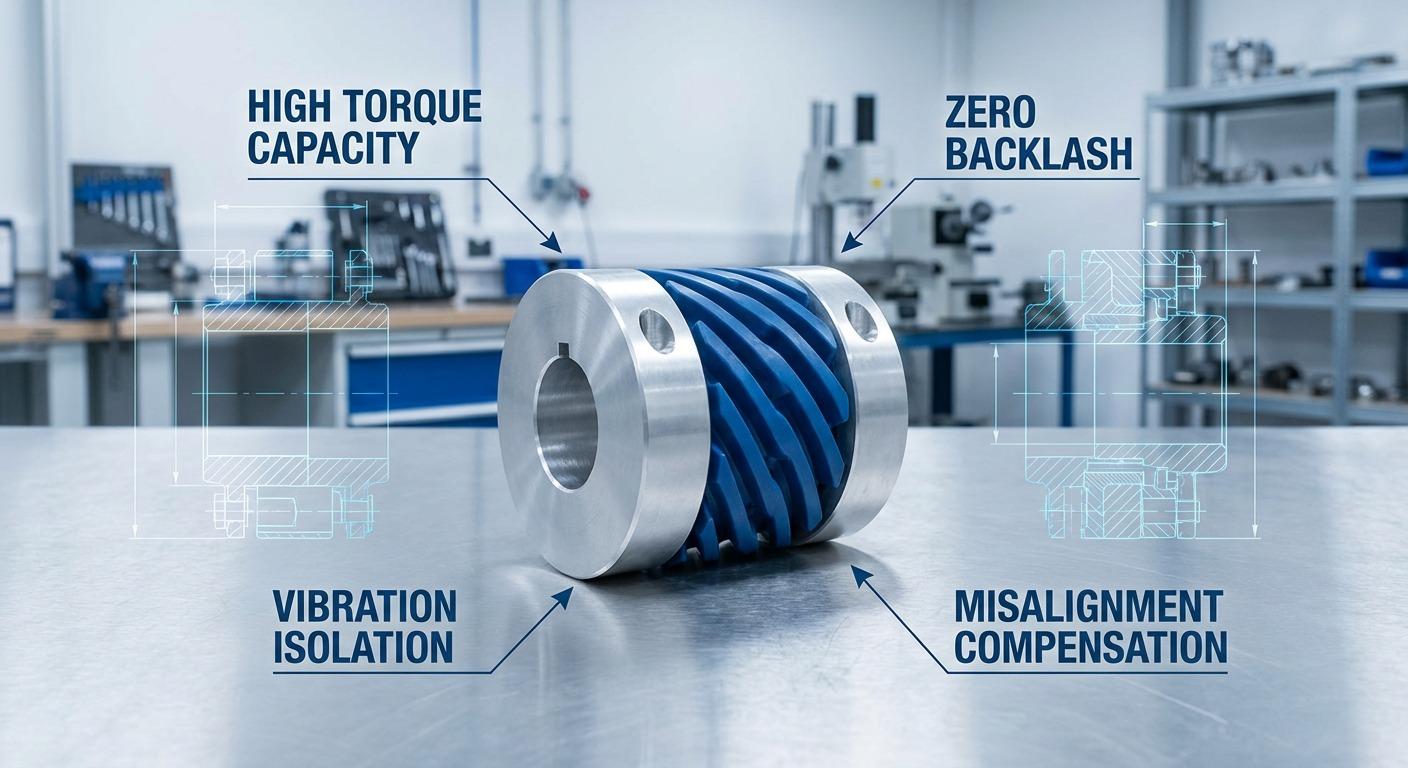
There are several significant Benefits of Rigid Coupling integration into a mechanical system. Their primary advantage is their high torque capacity and torsional rigidity, which means they do not deform under load, providing a direct and efficient power transfer. This leads to zero backlash, which is critical for applications requiring precise positional control. Furthermore, their simple design often makes them more economical than their flexible counterparts. Maintenance is typically straightforward, especially with designs like the clamp-shell coupling that can be accessed without disassembling the entire system. Their robust construction from high-grade materials guarantees durability and a long service life, reducing downtime and replacement costs for any Industrial Rigid Coupling setup.