
Discovering the Benefits of Small Size Flexible Couplings in Modern Machinery
In the world of mechanical engineering, the small size flexible coupling stands out as a crucial component for ensuring efficient and reliable power transmission. This innovative device connects shafts in various machines, allowing for flexibility while minimizing stress on connected parts. Whether in compact automation systems or precision robotics, a small size flexible coupling provides the adaptability needed to handle misalignments and vibrations without compromising performance.
Key Features That Define Superior Small Size Flexible Couplings
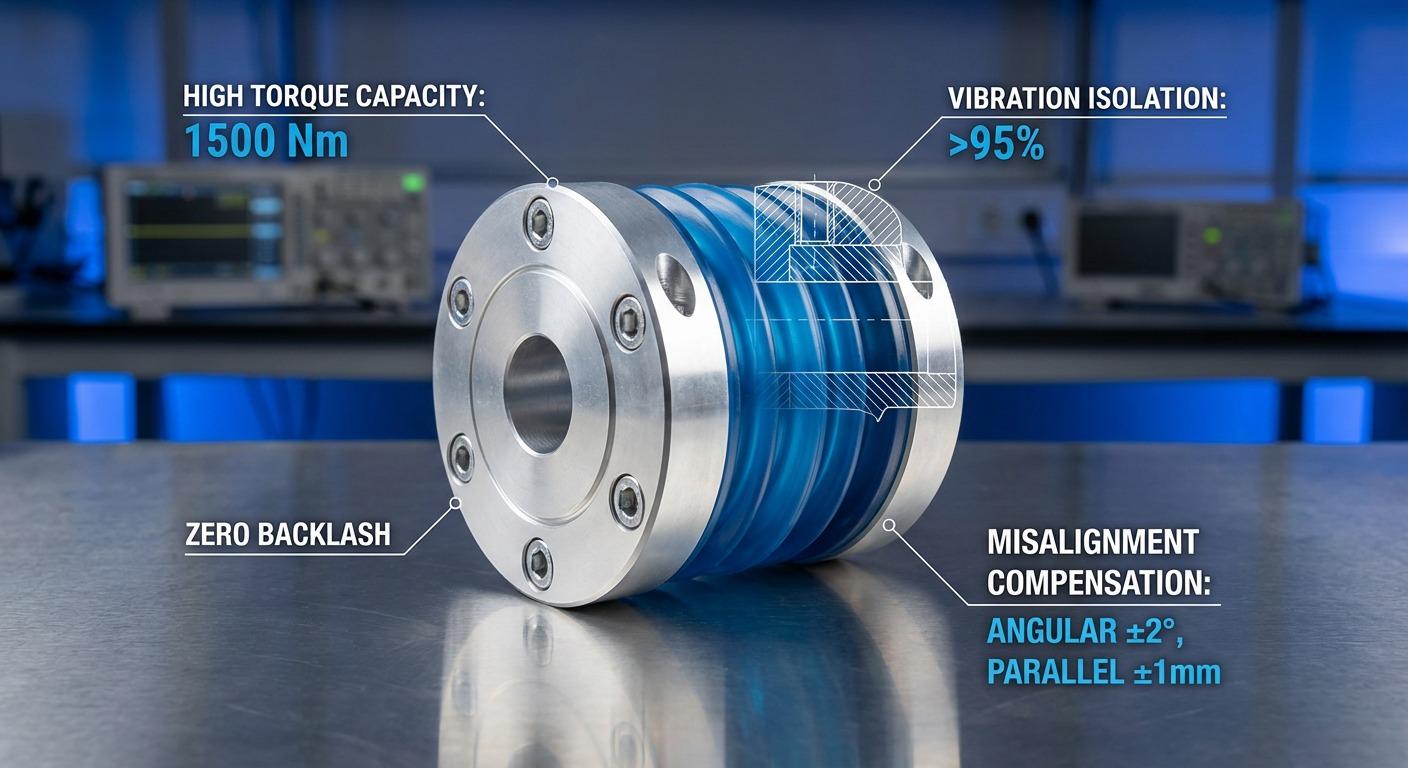
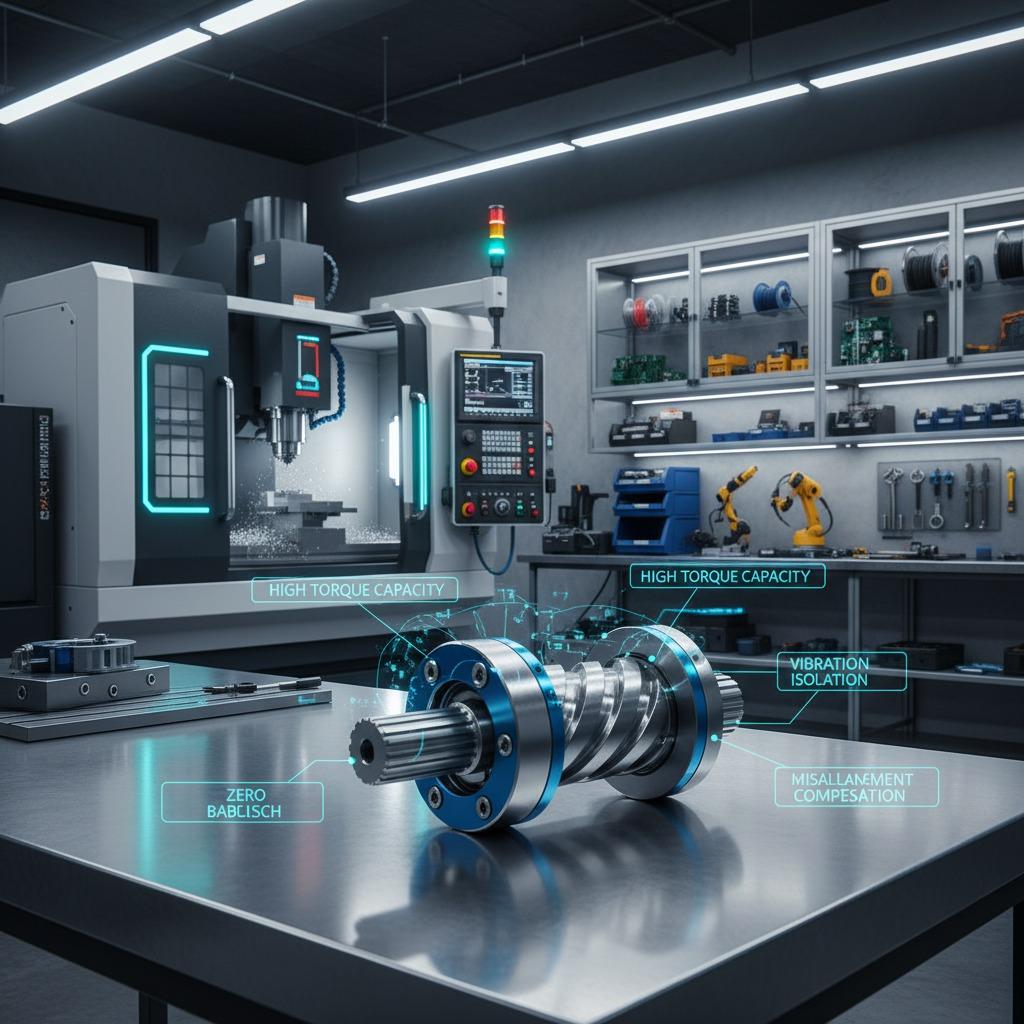
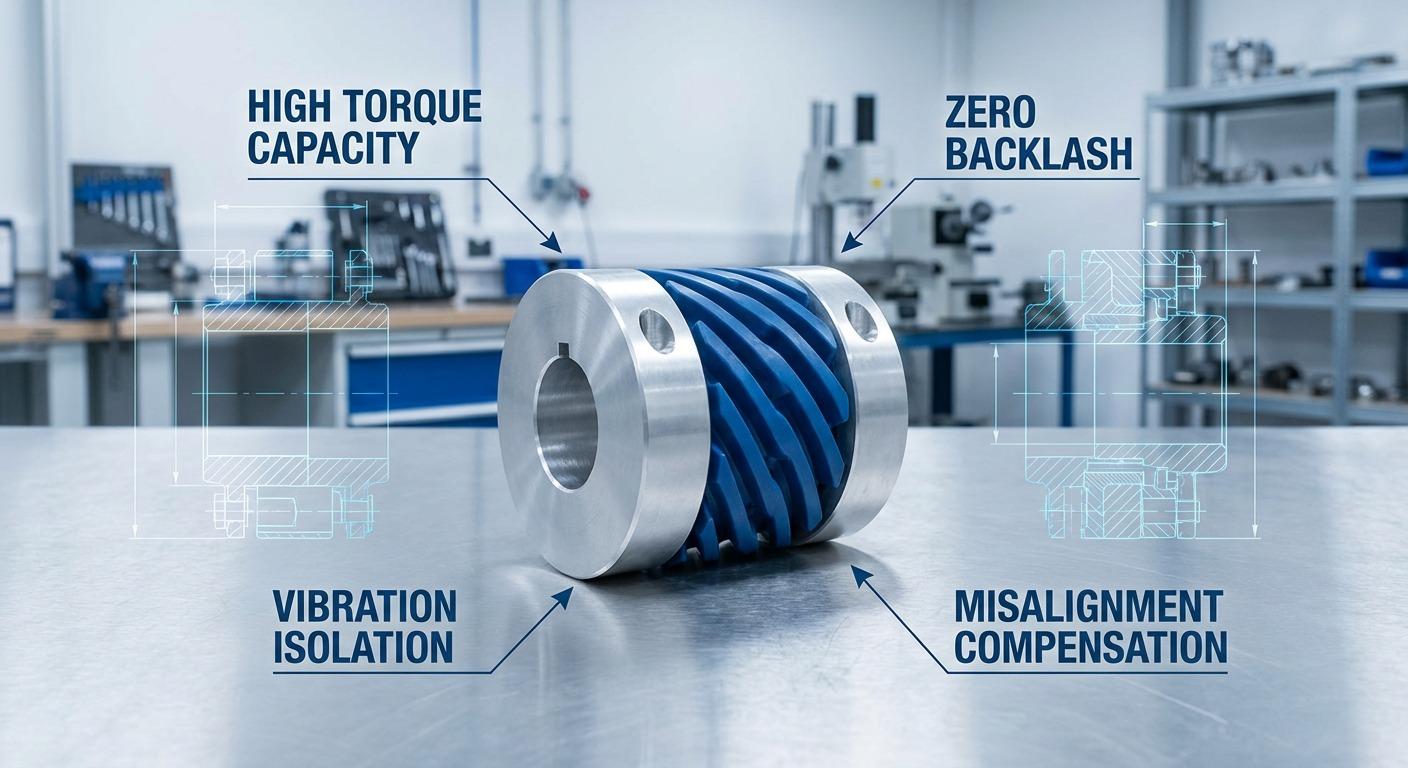
One of the standout attributes of a high-quality small size flexible coupling is its impressive torque capacity, reaching up to 1500 Nm. This strength makes it suitable for demanding applications where high power output is essential, yet space is at a premium. Engineered with precision materials, this coupling ensures that even in tight installations, it delivers robust performance without adding unnecessary bulk.
Additionally, the zero backlash design is a game-changer. Backlash, the slight play between mating parts, can lead to inaccuracies in motion control. By eliminating this, a small size flexible coupling guarantees smooth and accurate transmission of rotational energy, which is vital for industries like CNC machining and servo-driven systems. This feature not only enhances precision but also extends the operational life of the machinery by reducing wear on bearings and gears.
Vibration isolation is another critical aspect, with advanced models offering over 95% reduction in vibrations. In environments where noise and mechanical fatigue are concerns, such as in medical devices or high-speed assembly lines, this capability significantly lowers operational noise levels and prevents premature component failure. The result is a quieter, more reliable system that operates efficiently over prolonged periods.
Handling Misalignment with Ease in Small Size Flexible Couplings
Misalignment between shafts is a common challenge in mechanical assemblies, and a well-designed small size flexible coupling addresses this through its compensation features. It can accommodate angular misalignments up to ±2 degrees, allowing for slight deviations in shaft alignment without causing binding or excessive stress. This flexibility is particularly beneficial in dynamic applications where thermal expansion or settling of foundations might occur.
Furthermore, linear misalignment adjustment up to ±1mm provides parametric control, enabling fine-tuning during installation. For engineers working on prototypes or modular systems, this adjustability means less downtime for realignments and easier integration into existing setups. The small size aspect ensures that these couplings fit seamlessly into confined spaces, making them ideal for portable tools, drones, and miniaturized industrial robots.
The combination of these misalignment-handling properties with the compact form factor positions the small size flexible coupling as an essential element for maintaining system integrity. In practice, this translates to reduced maintenance needs and lower overall costs, as the coupling absorbs shocks and offsets that would otherwise damage more rigid connections.
Applications and Advantages Across Industries
Industries ranging from automotive to aerospace benefit greatly from incorporating small size flexible couplings. In the automotive sector, for instance, they are used in electric vehicle drivetrains to connect motors to wheels, where space constraints and the need for vibration damping are paramount. The high torque capacity ensures that power is delivered efficiently, even under varying loads, while the flexible nature protects sensitive electronics from mechanical disturbances.
In precision manufacturing, such as semiconductor production, the zero backlash and high vibration isolation prevent micro-vibrations from affecting delicate processes. This leads to higher yields and fewer defects, directly impacting productivity. Similarly, in renewable energy applications like wind turbine actuators, the ability to handle misalignments helps in withstanding environmental stresses, ensuring consistent energy output.
The durability of these couplings also shines in continuous operation scenarios. With their advanced engineering, they resist corrosion and fatigue, often outlasting traditional rigid couplings. This longevity reduces replacement frequency, making them a cost-effective choice for budget-conscious operations without sacrificing quality.
Why Choose Our State-of-the-Art Small Size Flexible Coupling
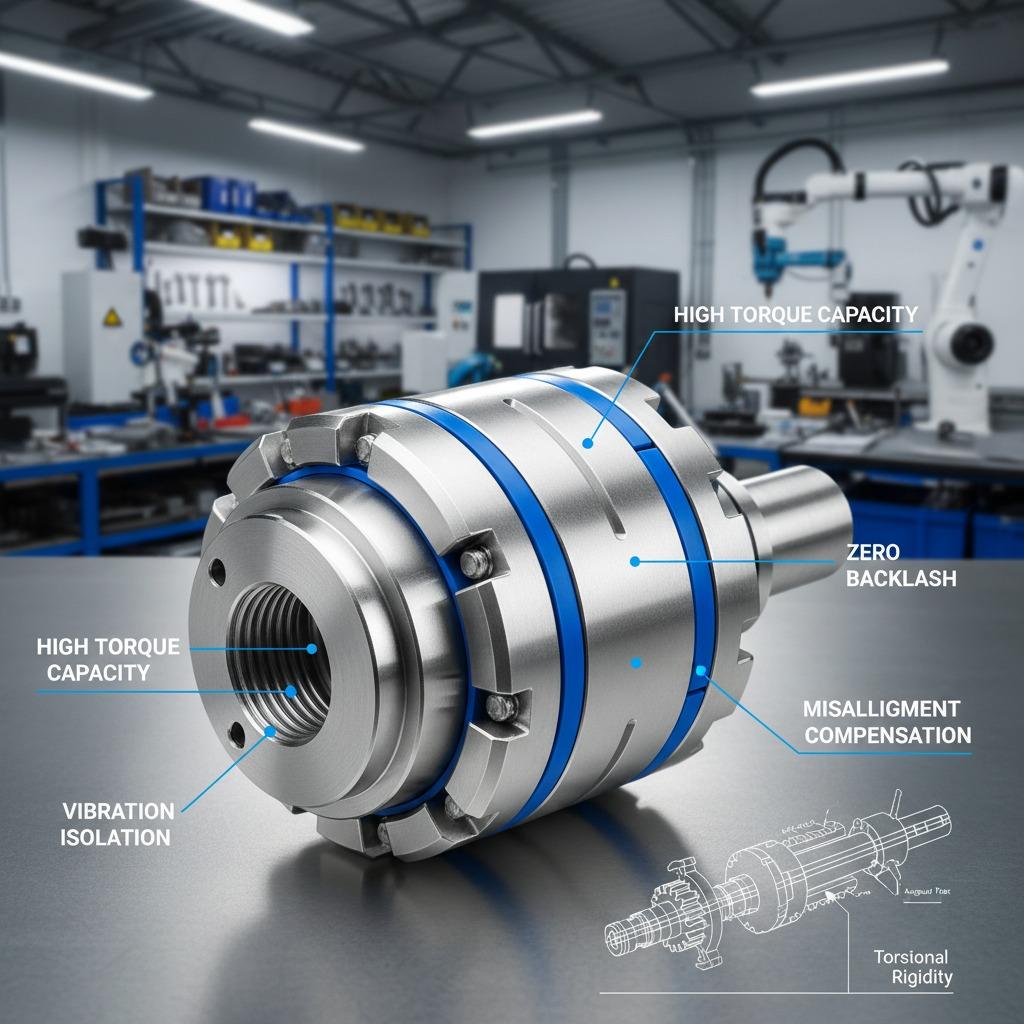
Our state-of-the-art industrial small size flexible coupling is crafted to elevate performance in diverse applications. Boasting a torque capacity of 1500 Nm, zero backlash, and over 95% vibration isolation, it redefines reliability in compact designs. The misalignment compensation of up to ±2° angular and ±1mm linear ensures effortless adaptability, making installation straightforward even in challenging environments.
Engineered for precision and built with high-quality materials, this coupling minimizes noise, wear, and downtime, enhancing the overall efficiency of your machinery. It's not just a connector; it's a performance enhancer that aligns with modern demands for compact, high-performing components. Whether upgrading existing systems or designing new ones, integrating our small size flexible coupling promises smoother operations and superior results.
For industries seeking a balance of strength, flexibility, and compactness, this coupling delivers on all fronts. Its versatility supports a wide array of uses, from robotics to heavy-duty pumps, ensuring that your mechanical systems run optimally. By choosing this advanced solution, you're investing in technology that drives innovation and productivity forward.
Installation and Maintenance Tips for Optimal Performance
To maximize the benefits of a small size flexible coupling, proper installation is key. Begin by ensuring shafts are clean and aligned as closely as possible within the specified tolerances. Use the parametric adjustment features to fine-tune the linear offset, and verify angular alignment with precision tools. Torque the fasteners to manufacturer specifications to avoid over-tightening, which could reduce flexibility.
Regular maintenance involves inspecting for signs of wear, such as cracks or unusual vibrations, and lubricating moving parts if applicable. Although designed for low-maintenance, periodic checks every 500 hours of operation can prevent issues. In harsh environments, consider protective covers to shield the coupling from contaminants, further extending its service life.
By following these guidelines, users can ensure that the small size flexible coupling continues to perform at peak levels, supporting seamless power transmission year after year. This proactive approach not only safeguards your investment but also contributes to safer, more efficient operations across your facility.
In summary, the small size flexible coupling represents a pinnacle of engineering ingenuity, combining compactness with powerful performance features. Its role in modern machinery cannot be overstated, offering solutions that enhance precision, reduce noise, and handle real-world imperfections effortlessly.