
Precision Rigid Coupling for Motor Shaft: Achieving Perfect Alignment and Torque Accuracy
In motor-driven machinery, power is only as precise as the coupling that connects the shafts.
A single misalignment between the motor and the driven component can introduce vibration, increase bearing load, and reduce efficiency.
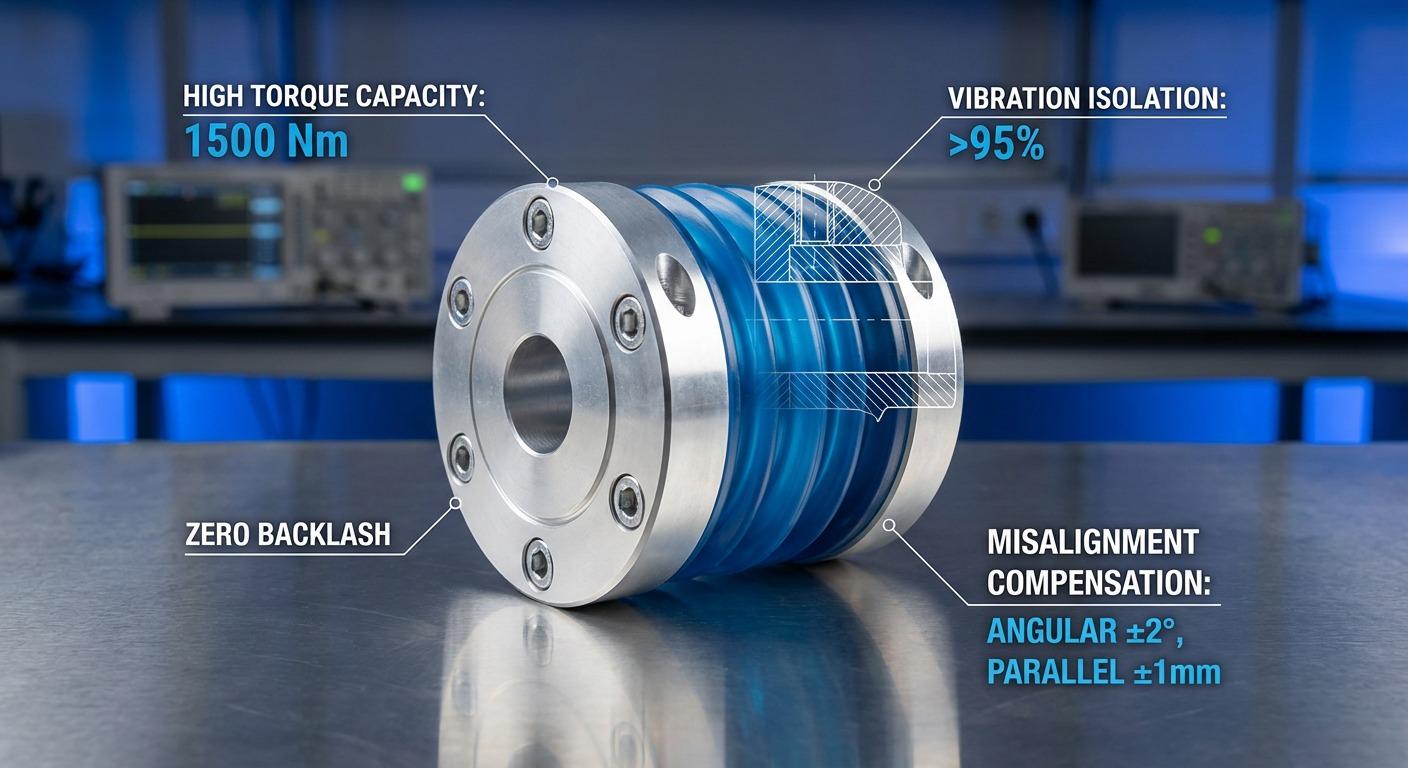
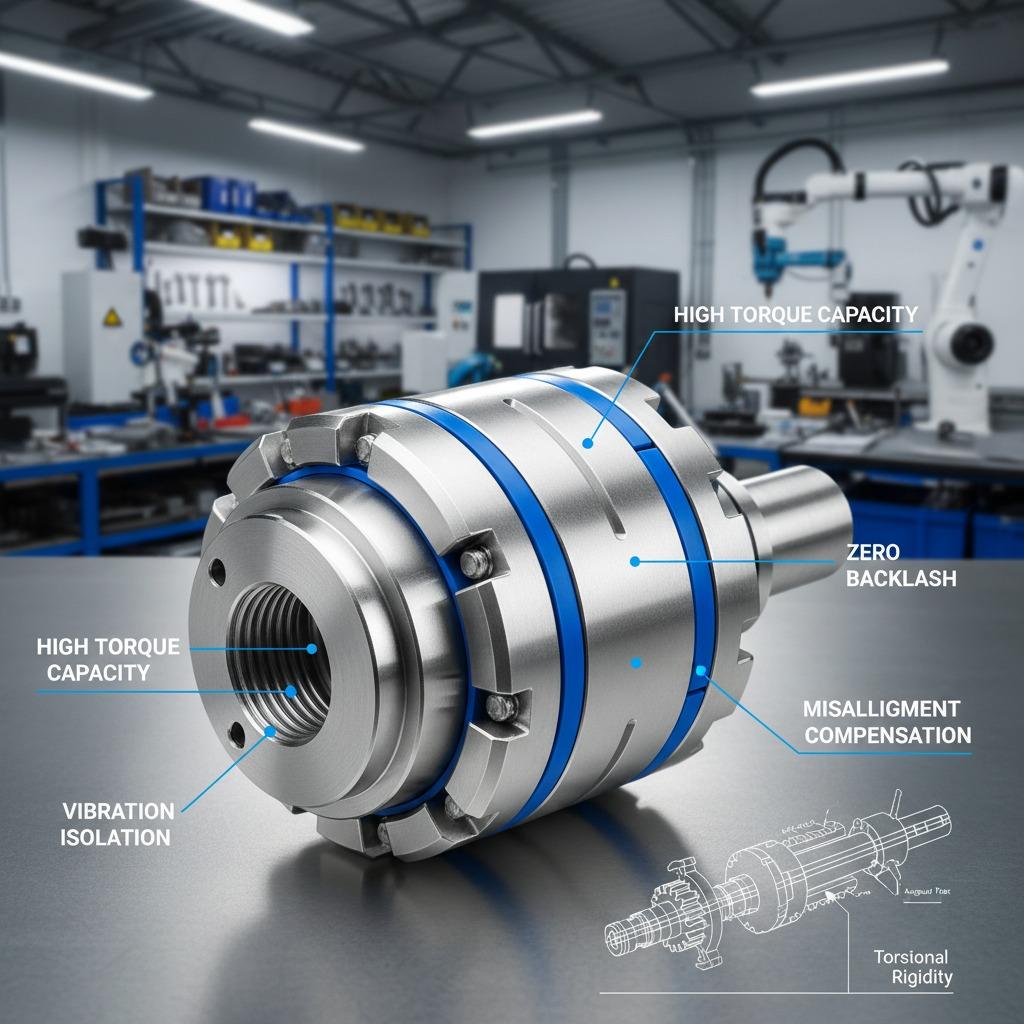
That’s why manufacturers choose precision rigid couplings for motor shafts — to achieve absolute torque accuracy, zero backlash, and stable alignment.
Dingjian, with decades of experience in mechanical coupling design, provides high-precision solutions for CNC, servo, and automation systems.
The Role of Rigid Couplings in Motor Shaft Alignment
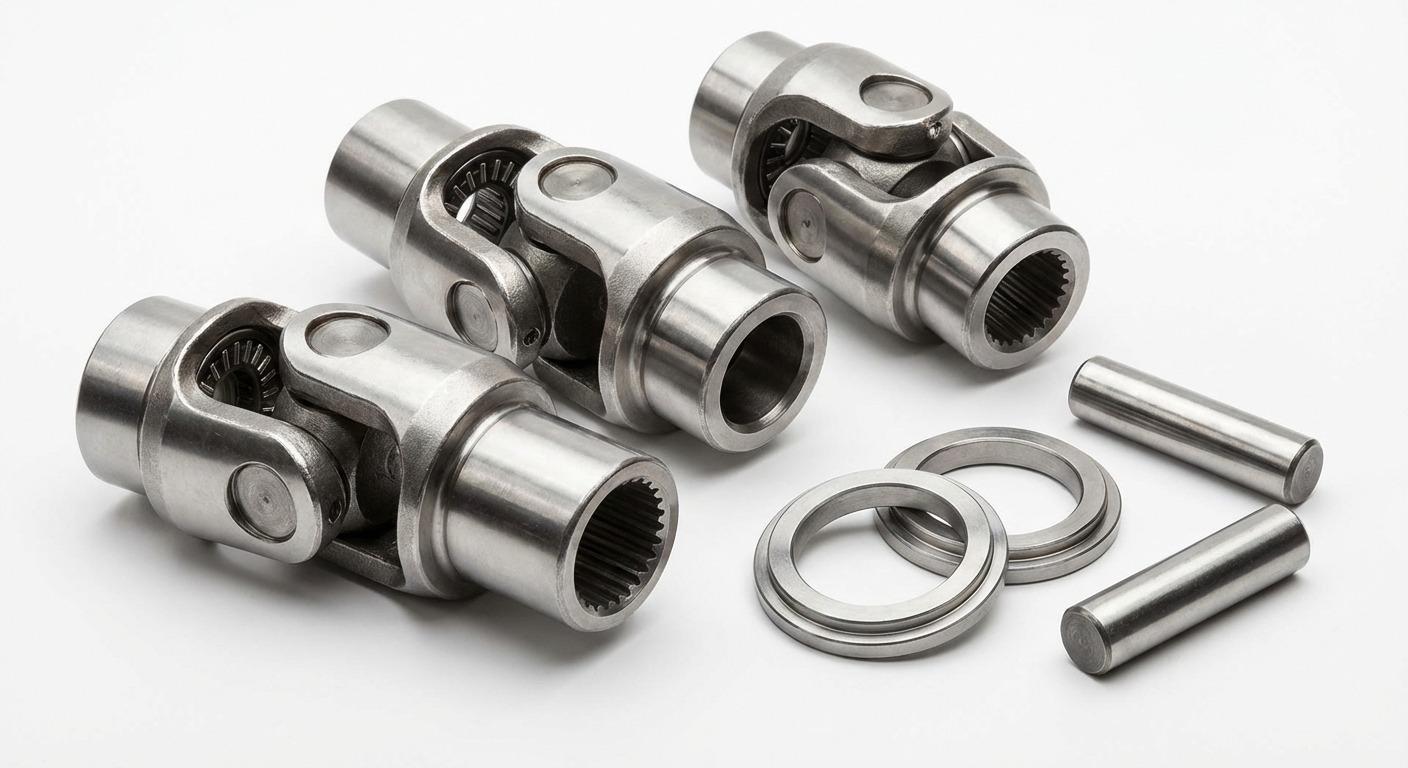
Rigid couplings are designed to create a fixed, zero-flex joint between the driving motor and driven shaft.
Unlike flexible couplings, they do not absorb misalignment — instead, they demand precision during installation, rewarding users with perfect torque transmission and unmatched rotational accuracy.
Key engineering features include:
-
Axial concentricity ≤0.01 mm for zero-offset torque transfer
-
Balanced geometry for high-speed rotation
-
Equal clamping pressure for shaft protection
-
Surface finish Ra ≤0.8 μm to reduce friction and wear
With these parameters, Dingjian’s couplings maintain mechanical synchronization between motor output and driven system, crucial for CNC and servo applications.
Standard Shaft Connectors vs. Precision Rigid Couplings
| Feature | Standard Shaft Connector | Dingjian Precision Rigid Coupling |
|---|---|---|
| Torque Transmission | Moderate | Zero backlash, high torque accuracy |
| Alignment Sensitivity | High | CNC-calibrated concentric fit |
| Speed Stability | Fluctuates at high RPM | Dynamically balanced up to 10,000 RPM |
| Material | Regular steel | Hardened aluminum or stainless alloy |
| Runout | ±0.05 mm | ≤0.01 mm |
| Applications | General machinery | Servo, automation, CNC drives |
Precision rigid couplings reduce rotational lag and backlash, resulting in more responsive and energy-efficient systems — especially in automated production.
Engineering Approach: How Dingjian Designs Precision
To ensure torque precision, Dingjian’s R&D process integrates advanced simulation and metrology into every stage of production.
Core design elements:
-
Finite Element Analysis (FEA): Simulates torsional strain and dynamic loading.
-
CNC Turning & Grinding: Achieves micron-level bore tolerances.
-
Dynamic Balancing Calibration: Minimizes vibration under variable speeds.
-
Clamping Geometry Optimization: Provides even pressure on both shafts.
-
Surface Hardening Treatment: Increases fatigue resistance for continuous operation.
The result is a coupling that behaves as a single rotational body, transferring torque with mechanical perfection.
Where Precision Drives Performance
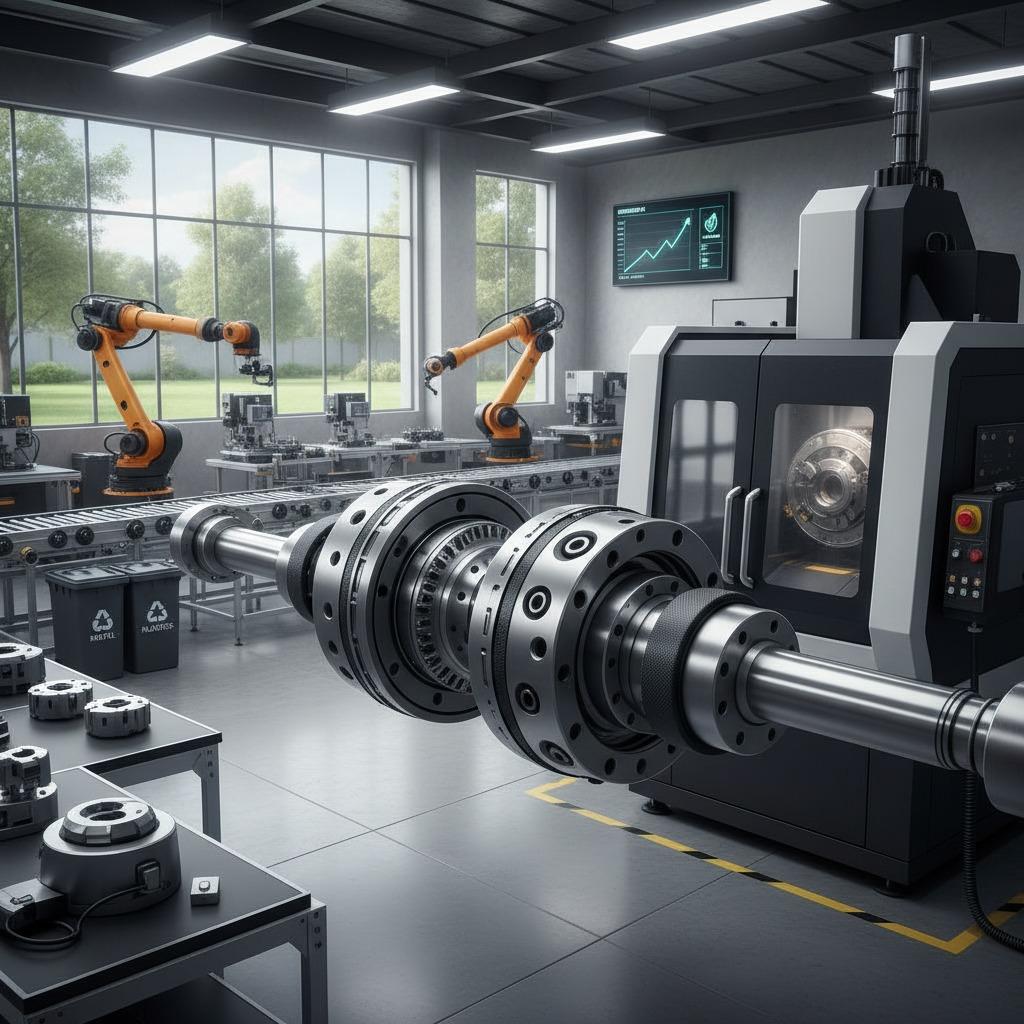
Dingjian’s precision rigid couplings are used in motion-critical applications where positional accuracy and repeatability are essential:
-
CNC machining centers – torque synchronization between spindle and motor
-
Servo motion systems – backlash-free rotational control
-
Robotics and automation lines – precise movement across multiple axes
-
Measurement and test instruments – vibration-free transmission
-
Printing and textile machinery – high-speed, low-noise operation
Each system benefits from the coupling’s ability to maintain alignment, reduce heat generation, and stabilize torque output over long operational cycles.
Choosing the Right Precision Rigid Coupling
| Criterion | Description | Recommended Option |
|---|---|---|
| Motor Type | Servo, stepper, or spindle | Lightweight aluminum or stainless steel body |
| Speed Range | Up to 10,000 RPM | Dynamically balanced model |
| Torque Requirement | Continuous or peak | Custom bore design for torque fit |
| Environment | Dust, humidity, heat | Anodized or corrosion-resistant surface |
| Maintenance Access | Installation frequency | Clamping hub for quick assembly |
Tip: For high-speed servo systems, always select balanced couplings with symmetrical hub design to avoid resonance at upper RPM limits.
Common Questions About Precision Couplings
Q1: Are rigid couplings better than flexible couplings for motor shafts?
Yes — when alignment is precise. They deliver higher torque accuracy and zero backlash performance.
Q2: What’s the installation tolerance required?
Concentricity within 0.01 mm and angular misalignment below 0.5° are ideal.
Q3: How does Dingjian verify precision?
Each coupling undergoes torque testing, dynamic balance, and laser alignment inspection.
Q4: Can Dingjian produce custom bore sizes?
Yes — custom bores and keyways are available for various shaft diameters.
Precision That Powers Every Rotation
In today’s automation-driven industries, mechanical precision defines competitiveness.
With advanced materials, tight-tolerance machining, and zero-backlash design, Dingjian’s precision rigid couplings ensure every motor delivers stable, efficient, and vibration-free performance.
For customized specifications or engineering consultation, please visit the official homepage or contact our technical team via the contact page.